Malaysia seeks China approval for overland durian exports to ease glut
Malaysia is pursuing overland export routes for fresh durians to China to manage a significant domestic supply surplus. Current bilateral agreements do not permit land-based transit, and officials are evaluating quality standards for potential future shipments.
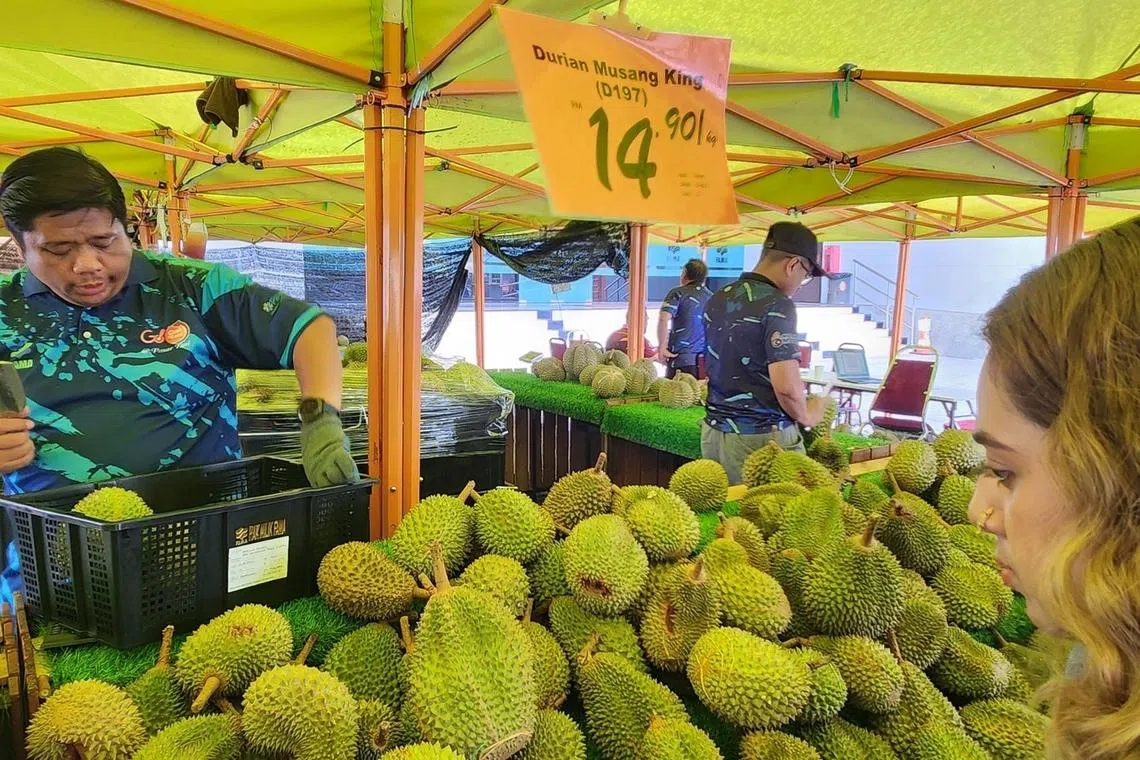
Malaysia is currently navigating a complex logistical and diplomatic landscape as it pursues new overland export routes for fresh durians to China. This initiative aims to address a significant domestic supply surplus that has pressured prices throughout the 2026 peak season. However, the proposed expansion into land-based transport remains at a standstill as the current bilateral export protocol does not authorize such shipments.
According to the Department of Agriculture (DOA), any transit through third-party nations falls entirely outside the scope of the existing agreement with the General Administration of Customs of the People’s Republic of China (GACC). The DOA has confirmed it has never authorized fresh durian exports via land, and such routes will not be permitted until formal amendments are negotiated and endorsed by both governments.
Related media
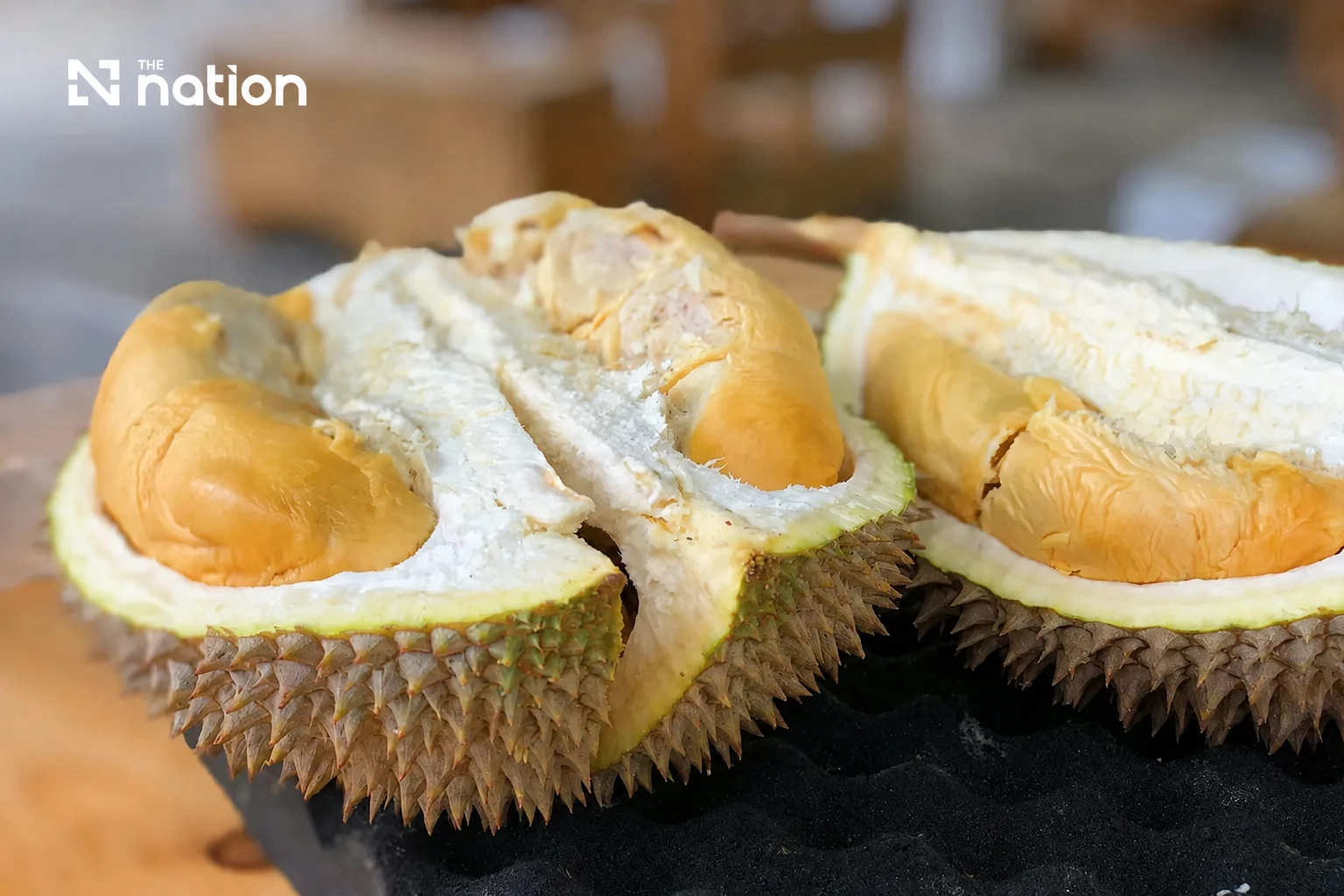
Market Pressure and Production Surplus
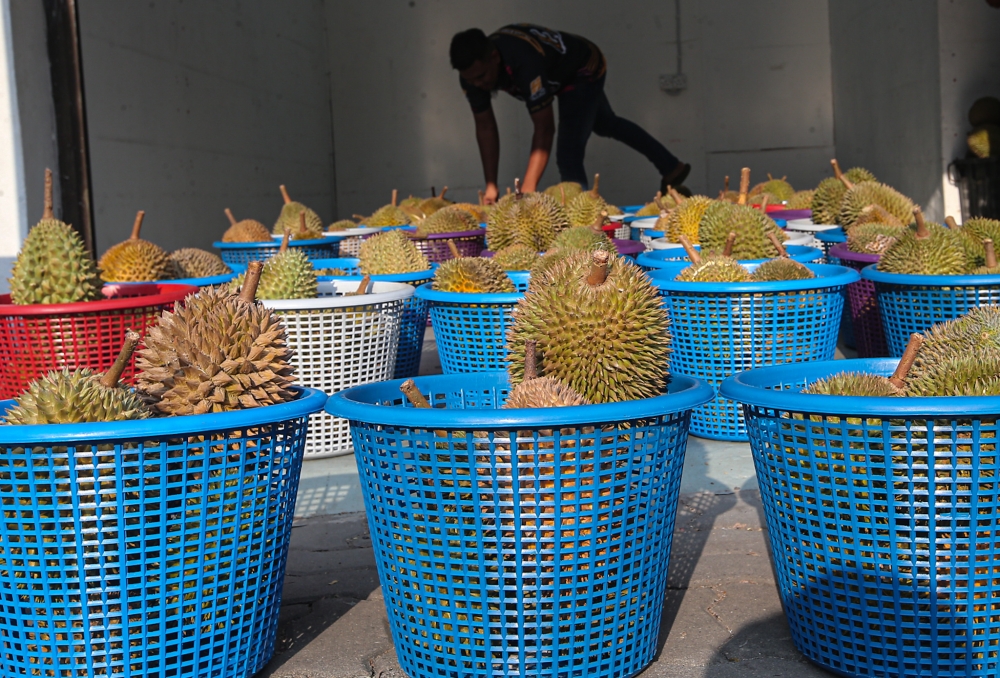
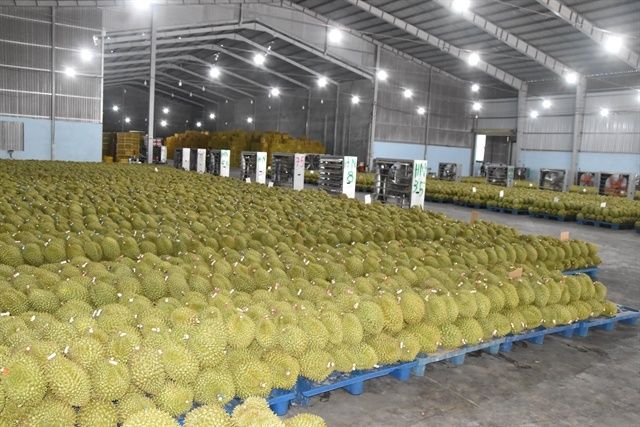
The urgency to find new transit methods stems from a severe oversupply of fruit across Malaysia’s primary growing regions, including Kedah, Penang, Perak, Selangor, Johor, and Pahang. Rapid advancements in agricultural techniques have reduced tree maturation times, leading to a surge in annual production, which exceeds 550,000 tonnes. This record harvest has caused market prices to decline by approximately half compared to 2025. Officials believe that developing road and rail corridors would lower logistics costs and allow Malaysian growers to penetrate smaller Chinese cities, which are seen as untapped markets with significant growth potential.
Agriculture and Food Security Minister Datuk Seri Mohamad Sabu noted on 6 July 2026 that discussions are ongoing with both the Thai government and the GACC to facilitate this transition. A test shipment of one tonne of Black Thorn durians was successfully conducted in January, taking 75 hours to travel from the Bukit Kayu Hitam border crossing to China. By contrast, air shipments reach the receiving cargo hub in China in just four hours.
Regulatory and Quality Control Challenges
The proposal to move fruit by land has introduced internal debates regarding quality standards. The industry is currently divided over the export of “pre-cut” durians — fruit harvested by cutting the fruit off at the stem before they fully ripen, rather than waiting for them to fall naturally. While some argue this is necessary for the longer transit times required by road, exporters such as Steven Yam have expressed strong opposition. Proponents of traditional methods argue that Malaysia’s reputation for premium quality rests on the fact that the fruit is allowed to drop naturally from the tree, preserving its distinct aroma and flavor.
To address these concerns, the Malaysian Agricultural Research and Development Institute (Mardi) has been commissioned to conduct scientific studies on post-harvest treatments, including measures to prevent mould during the longer journey by road, and to evaluate the safety and shelf-life of pre-cut fruit. The DOA emphasized that any proposal for pre-cut exports must be supported by this technical data before it can be submitted to Chinese regulators.
Diplomatic Strategy and Future Outlook
The Malaysian government views the durian trade as a core component of its bilateral relations with China, often referring to the effort as “durian diplomacy.” This branding is intended to boost tourism and strengthen ties. Prime Minister Anwar Ibrahim is expected to lobby for increased market access during his visit to Beijing in August 2026.
The broader goal remains ambitious: Malaysia aims to capture an 8% to 10% share of the Chinese durian market within five years, targeting total export values of US$229 million by 2030. While these long-term strategies unfold, the government continues to manage immediate market saturation through the Federal Agricultural Marketing Authority, which intends to purchase 1,000 tonnes of excess supply — valued at RM7 million, before the current peak season concludes in August 2026.
Stakeholders remain focused on the following developments:
- 17 July 2026: A scheduled meeting between the Ministry of Agriculture and Food Security and industry players to discuss export-related issues.
- Regulatory Engagements: Ongoing technical sessions between the DOA, the Ministry of Transport, and the Malaysian Agricultural Office in Bangkok to map out the logistics of future cross-border transit.
- Scientific Review: Continued analysis by Mardi to determine whether value-added, pre-cut products meet the stringent requirements for export market entry.
Archypedia is dedicated to independent, evidence-backed reporting. This briefing was synthesized from primary source reporting, corroborated across independent newsrooms, and verified against our Editorial Standards.
Transparency record
Evidence behind this report
This report synthesizes 6 distinct sources. Open the source ledger below to compare the underlying coverage.
Prepared under the Archypedia Editorial Policy by the Elena Voss editorial desk profile. AI-assisted tools may support drafting and verification; public accountability remains with Archypedia. Report an error.