Austria is targeting 1 million electric vehicles (EVs) on its roads by 2030 to facilitate its national energy transition, according to reports from local media. This shift aims to reduce vehicle emissions by two-thirds and may lead to EVs overtaking internal combustion engine vehicles in market share.
- Target: 1 million electric vehicles in Austria by 2030.
- Environmental Impact: EVs produce two-thirds fewer emissions than combustion engines, according to energate messenger.
- Market Trend: EVs are projected to potentially surpass gasoline-powered cars in the near future.
- Strategic Necessity: DiePresse.com reports that the energy transition is only possible through electromobility.
Can Austria Reach One Million Electric Vehicles by 2030?
Austria has set a benchmark of 1 million electric vehicles by the end of the decade. According to Der Standard, the feasibility of this goal remains a central point of discussion as the country attempts to scale its charging infrastructure and vehicle adoption rates to meet the 2030 deadline.

This target serves as a primary metric for the country’s transition away from fossil-fuel-dependent transport. The scale of the rollout requires significant shifts in consumer behavior and industrial support to move from current levels to the million-vehicle mark within the remaining years of the decade.
Reducing Emissions Through Electromobility
The transition to electric propulsion is driven by significant reductions in environmental impact. According to energate messenger, electric vehicles generate two-thirds fewer emissions than their internal combustion engine counterparts.
This reduction is viewed as a non-negotiable component of broader climate goals. DiePresse.com reports that the energy transition cannot be achieved without the widespread adoption of electromobility, positioning the vehicle shift as the cornerstone of the national energy strategy.
The Shift From Combustion Engines
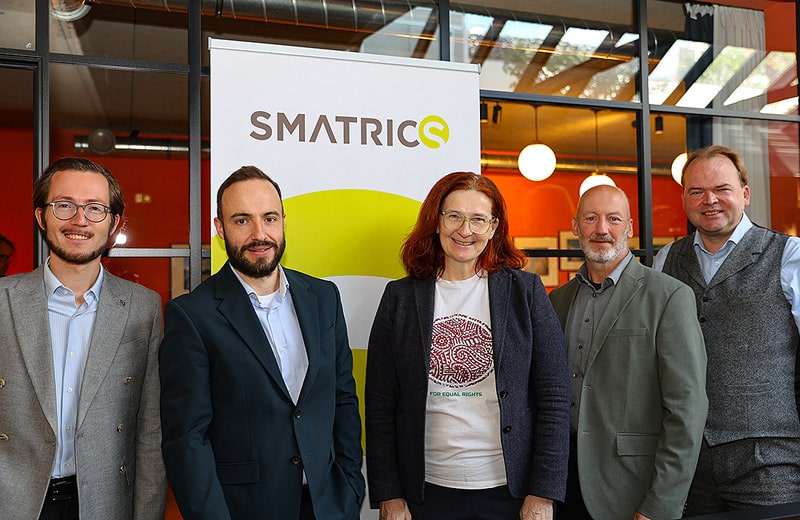
Market dynamics suggest a tipping point for traditional fuel vehicles. During the Smatrics E-Mobility Talk, it was noted that electric cars could soon overtake gasoline-powered vehicles in popularity and registration, according to Leadersnet.
This projected crossover marks a transition from EVs being a niche market to becoming the dominant automotive standard. The discussions at the Smatrics event highlighted that the technological maturity of EVs is now challenging the long-standing dominance of the internal combustion engine.
According to profil.at, this transition represents the beginning of the end for traditional combustion engines as the infrastructure and economic incentives align in favor of electric alternatives.
