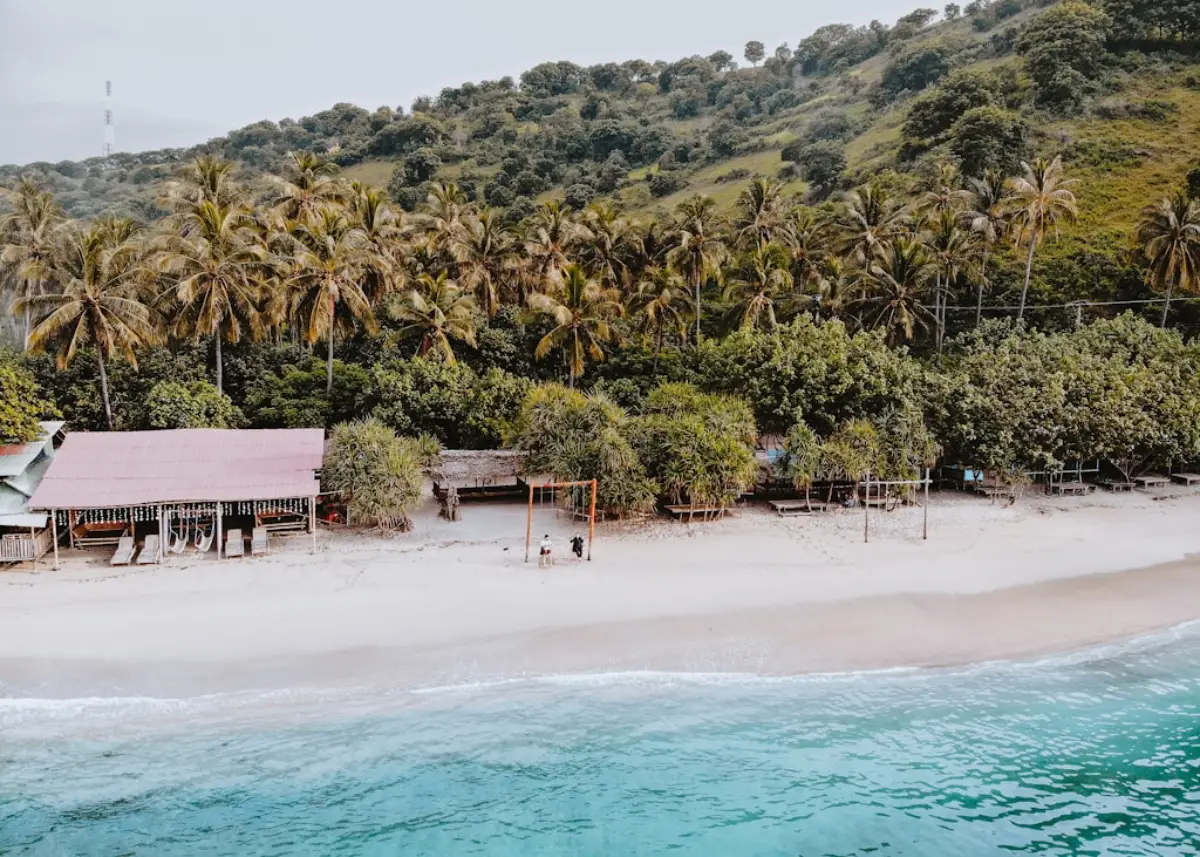
Bali vs. Lombok: Why High-Net-Worth Travelers Are Choosing Lombok Luxury Villas in 2026
The landscape of ultra-luxury travel in Southeast Asia is undergoing a fundamental shift. For decades, Bali has stood as the undisputed crown jewel of Indonesian tourism, attracting the global elite with its blend of spiritual depth, world-class beach clubs, and opulent resorts. However, as we move through 2026, a distinct trend has emerged among high-net-worth individuals (HNWIs): a migration toward the quieter, more secluded shores of Lombok.
This transition is not merely a change in geography, but a change in philosophy. The modern affluent traveler is increasingly eschewing “conspicuous luxury”—the gold-leafed lobbies and high-profile social scenes—in favor of “quiet luxury.” In the debate of Bali vs. Lombok: Why High-Net-Worth Travelers Are Choosing Lombok Luxury Villas in 2026, the answer lies in the pursuit of internal restoration over external stimulation.
The Shift Toward “Quiet Luxury” in Southeast Asia
For the high-net-worth traveler, the definition of exclusivity has evolved. In previous eras, exclusivity was defined by the price tag of the suite or the fame of the resort. In 2026, exclusivity is defined by silence, space, and anonymity. While Bali continues to offer unparalleled luxury, its status as a global tourism powerhouse has led to a level of saturation that can be counterproductive for those seeking an escape from the pressures of high-stakes professional lives.
Lombok, situated east of Bali, has emerged as the primary beneficiary of this shift. Where Bali is a vibrant tapestry of energy, Lombok is a sanctuary of stillness. The rise of luxury villas in Lombok is not just about providing a place to stay, but about offering a different “energy alignment.” Travelers are no longer choosing destinations based on a checklist of attractions; they are choosing based on how they wish to feel upon waking up.
The current trend in luxury travel reveals a movement away from the “destination as a trophy” and toward the “destination as a tool for restoration.”
Bali’s Evolution: From Hidden Gem to Global Hub
To understand why the elite are looking toward Lombok, one must first acknowledge the current state of Bali. Bali remains a formidable destination, offering a sophisticated infrastructure that is difficult to replicate. The island is a masterclass in variety, catering to diverse psychological needs through its distinct regions:
- Ubud: The spiritual and cultural heart, offering serenity and connection to nature.
- Seminyak and Canggu: Trendy, high-energy hubs known for nightlife, fashion, and a social scene that attracts the “new money” and digital nomad elite.
- Uluwatu: Famous for its dramatic cliffs and high-energy social atmosphere.
- Sanur: A calmer alternative for those seeking a slower pace within the Balinese ecosystem.
However, this very variety and popularity have created a paradox. The “first-hour experience” in many of Bali’s luxury hubs is now often characterized by traffic congestion and commercial density. For the HNWI, who values time as their most precious commodity, the friction of navigating a highly commercialized environment can detract from the luxury experience. This has led to a growing sense of “decision fatigue,” where the sheer volume of options in Bali becomes a burden rather than a benefit.
The Lombok Appeal: Privacy, Nature, and Intentionality
Lombok offers a stark contrast to the Balinese experience. It is often described as Bali was several decades ago—raw, authentic, and largely undisturbed. For the luxury traveler in 2026, this “untouched” quality is the ultimate amenity.
The Psychology of the Escape
The preference for Lombok luxury villas is driven by a desire for intentionality. While Bali provides external stimulation—the best restaurants, the most famous beach clubs, the most photographed temples—Lombok provides the space for internal reflection. The luxury villas here are typically designed to integrate seamlessly with the environment, emphasizing the sounds of nature and the vastness of the landscape over architectural ostentation.
Key Geographic Draws in Lombok
Lombok’s appeal is distributed across several key areas that cater to different facets of the luxury experience:

- Senggigi: Offering a relaxed resort pace that balances comfort with a quiet coastal vibe.
- Kuta (Lombok): A laid-back, surf-centric region that appeals to those seeking a more rugged, athletic form of luxury.
- The Gili Islands: These tiny islets provide the pinnacle of seclusion. From the private atmosphere of Gili Meno to the balanced energy of Gili Air, these islands offer a rhythm of life that is almost entirely decoupled from the modern world.
- The Rinjani Highlands: For those whose idea of luxury involves trekking and traditional landscapes, the area around Mount Rinjani provides a rustic, grounded experience.
| Feature | Bali Luxury Experience | Lombok Luxury Experience |
|---|---|---|
| Primary Vibe | Vibrant, Cultural, High-Energy | Peaceful, Rustic, Secluded |
| Traveler Intent | Connection and Stimulation | Privacy and Restoration |
| Landscape | Developed, Diverse, Iconic | Pristine, Raw, Expansive |
| Pace of Life | Fast-paced / Varied | Leisurely / Intentional |
| Hospitality Style | Corporate Luxury & Global Brands | Boutique, Family-Owned, Intimate |
Sustainability and the New Standard of Luxury
A critical factor in the move toward Lombok is the evolving relationship between luxury and sustainability. High-net-worth travelers are increasingly conscious of their environmental and socio-cultural footprint. There is a growing realization that true luxury cannot exist in a vacuum of environmental degradation or cultural erosion.
Recent shifts in traveler satisfaction indicate that socio-cultural and economic sustainability have a profound positive impact on the overall experience. Lombok’s luxury sector is currently in a position to “build it right” from the start. Many of the luxury villas emerging in Lombok are prioritizing eco-conscious architecture, waste reduction, and deep integration with local communities.
In contrast, Bali faces the immense challenge of retrofitting sustainability into an already densely developed infrastructure. For the conscious traveler, the opportunity to stay in a villa that supports local artisans and preserves the natural coastline without the baggage of over-tourism is a significant draw.
Navigating the Choice: Which Island Suits Your State of Being?
The decision between Bali and Lombok is rarely about which island is “better” in an absolute sense. Instead, it is about which destination aligns with the traveler’s current state of being. This “energy alignment” is the primary lens through which 2026 luxury travel is being viewed.
When to Choose Bali
Bali remains the ideal choice for those who seek a multifaceted experience. If the goal of the trip is to blend wellness retreats with high-end shopping, world-class dining, and a vibrant social scene, Bali is unmatched. It is the destination for those who want to feel the pulse of a global cultural hub while still having access to private luxury.
When to Choose Lombok
Lombok is the destination for those who are experiencing burnout or who simply require a total decoupling from their daily existence. It is for the traveler who views “silence” as a tangible amenity. When the priority is privacy, direct access to pristine coral reefs, and the ability to explore stunning cliffs without crowds, Lombok is the superior choice.
For many HNWIs, the ideal 2026 itinerary is no longer “either/or” but “both.” A common pattern is beginning with a few days in the cultural richness of Bali, followed by a transition to a private villa in Lombok to “land” and restore before returning to their professional lives.
The Future of the Indonesian Luxury Corridor
As Lombok continues to develop its luxury offerings, the region is likely to see a rise in “intentional hospitality.” We are seeing a move away from the corporate resort model toward boutique, family-owned estates that offer a more personalized, authentic connection to the land. This shift mirrors a broader global trend where the wealthiest travelers are seeking “human” experiences over “standardized” luxury.
The development of Lombok will be a litmus test for sustainable luxury in Southeast Asia. If the island can maintain its rustic charm while providing the high-level service expected by HNWIs, it will solidify its position as the premier destination for the restoration-focused traveler.
Frequently Asked Questions About Bali vs. Lombok Luxury Travel
While Bali has a higher density of global luxury brands and corporate resorts, Lombok specializes in “boutique luxury.” The villas in Lombok often provide more privacy, larger plots of land, and a more intimate service experience, though We find fewer high-end shopping and dining options compared to Bali.
Lombok is significantly better for those seeking total seclusion. While Bali has private villas, the surrounding areas are often densely populated. Lombok’s luxury villas are frequently situated in more remote locations, offering a level of privacy and silence that is increasingly rare in Bali.
Both islands share a tropical climate. The dry season, generally from April/May through October, is the ideal time for beach activities, diving, and trekking. For those seeking the most privacy and lower prices, the wetter months from November to March offer a quieter experience, though weather can be more unpredictable.
Most luxury travelers utilize private charters or fast boats to transition between the islands. This allows for a seamless move from the high-energy environment of Bali to the tranquil setting of a Lombok villa.
Yes, Lombok is a safe destination for luxury travelers. High-end villas typically provide comprehensive security and concierge services to ensure a seamless and secure stay.
As the travel industry evolves, the competition between these two islands will likely drive a higher standard of hospitality across all of Indonesia. Whether one chooses the vibrant energy of the “Island of the Gods” or the restorative silence of Lombok, the focus has clearly shifted toward experiences that nourish the soul as much as they pamper the body.
