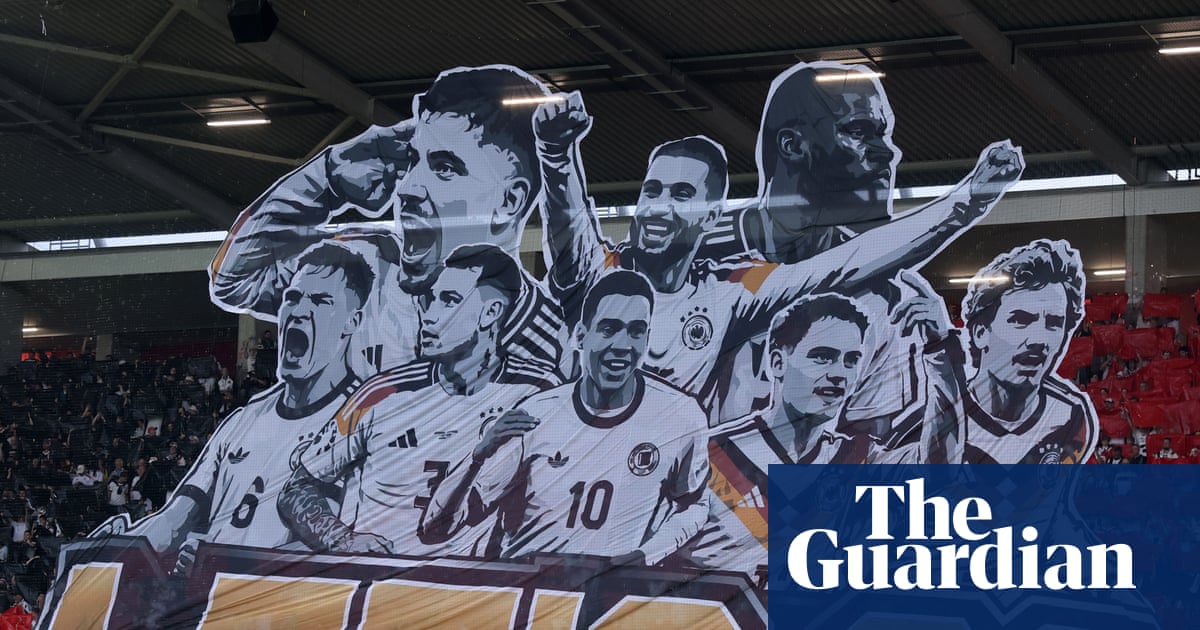
Germany World Cup 2026 Team Guide: A New Era Under Julian Nagelsmann
As the countdown to the 2026 FIFA World Cup intensifies, Germany’s national team is poised for a pivotal chapter in its storied football history. With a mix of youthful energy and seasoned leadership, head coach Julian Nagelsmann has begun shaping a squad that aims to reclaim the glory of past triumphs. This comprehensive guide delves into the key players, tactical strategies, and challenges facing the German side as they prepare for their campaign on the global stage.
The Squad: Balancing Experience and Fresh Talent
Germany’s 2026 World Cup squad is a testament to the balance between established stars and emerging talents. The selection process, led by Nagelsmann, reflects a strategic vision to blend veteran stability with dynamic, forward-thinking players. The final 26-man roster, announced on May 21, 2026, showcases a mix of defensive solidity, midfield creativity, and attacking flair.
One of the most notable inclusions is the return of veteran goalkeeper Manuel Neuer, who made a dramatic comeback to the national team after retiring from international football. Neuer’s decision to rejoin the squad has been met with both excitement and scrutiny, as his experience is seen as crucial for guiding the younger players. His presence in the starting XI is expected to provide a sense of security, particularly in high-stakes matches.
The defensive line, anchored by captain Joshua Kimmich, is another focal point. Kimmich’s leadership and versatility have been instrumental in Germany’s recent campaigns, and his role as right-back under Nagelsmann’s 4-2-3-1 formation is set to be pivotal. Alongside him, Nico Schlotterbeck and Jonathan Tah form a reliable center-back partnership, with Schlotterbeck’s ability to distribute the ball from the back offering a unique tactical advantage.
The left-back position is occupied by David Raum, whose technical skills and composure under pressure have made him a fan favorite. Nagelsmann praised Raum’s “good connection with everyone” in the group, highlighting his role in fostering team cohesion. Meanwhile, backup options like Nathaniel Brown provide depth, ensuring the squad remains competitive even in the face of injuries.
Midfield: A Battle for Central Control
The midfield, a critical area for any World Cup contender, remains a point of contention. While the 4-2-3-1 formation suggests a dual pivot, the exact pairing is yet to be finalized. Jamal Musiala and Florian Wirtz are among the leading candidates for the central midfield roles, combining technical precision with creative flair. Musiala’s adaptability and Wirtz’s vision have made them key figures in Bayern Munich and Bayer Leverkusen, respectively.
However, the absence of a clear-cut first-choice duo has left room for debate. Nagelsmann’s emphasis on “continuity in defense” suggests a preference for stability in the backline, but the midfield’s fluidity will be crucial in dictating the team’s tempo. The inclusion of players like Thomas Müller, whose experience and intelligence in transition remain invaluable, adds another layer of complexity to the selection.
Attack: A New Generation of Firepower
The attacking line is where Germany’s future seems brightest. The 4-2-3-1 formation positions a lone striker, with Kai Havertz as the primary option when fit. Havertz’s physicality and goal-scoring ability make him a natural fit, though his consistency over the past season has raised questions about his readiness for the World Cup spotlight.
Supporting Havertz will be a trio of creative midfielders, with Musiala and Wirtz expected to operate behind him. Their ability to link play and exploit spaces will be vital in breaking down opponents. The inclusion of players like Jude Bellingham (if he meets the criteria) could add a new dimension to the attack, though his eligibility remains under review.
Wing roles are likely to be filled by players with pace and dribbling skills, such as Leroy Sané or Jonas Hofmann. Their ability to stretch defenses and deliver crosses will be key to unlocking tight defenses. The attacking unit’s effectiveness will depend on its ability to work cohesively, a challenge that Nagelsmann aims to address through rigorous training sessions.
Tactical Philosophy: Adapting to Modern Football
Julian Nagelsmann’s tactical approach has evolved significantly since his appointment as head coach. Known for his emphasis on pressing and high-intensity play, Nagelsmann has sought to instill a more dynamic style that aligns with modern football’s demands. His 4-2-3-1 formation is designed to maximize width and create overloads in midfield, a strategy that has shown promise in recent fixtures.
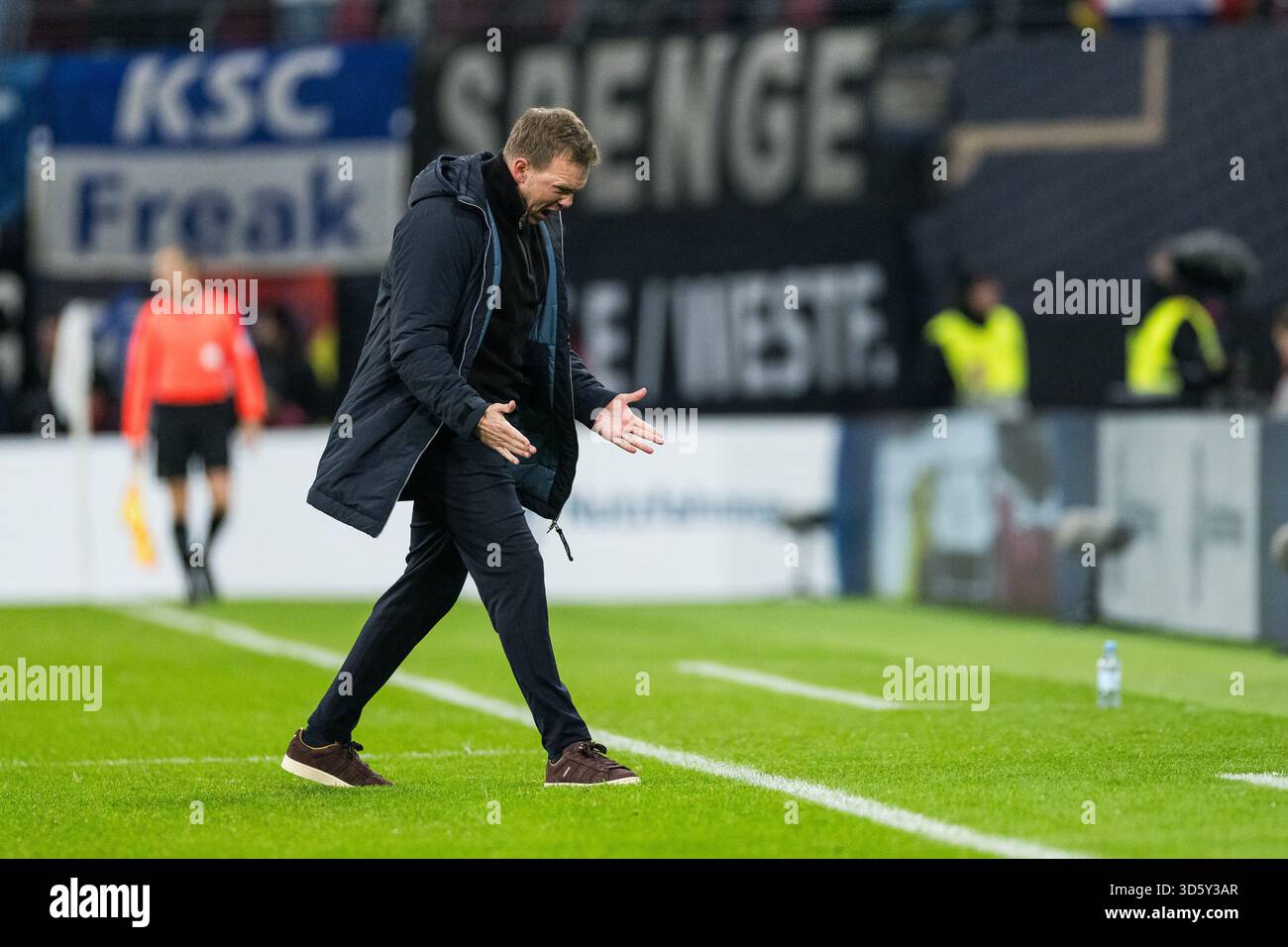
However, the team’s ability to adapt to different opponents remains a work in progress. Nagelsmann’s insistence on maintaining possession and pressing high has occasionally left the defense vulnerable to counterattacks. This has sparked discussions about the need for a more flexible approach, particularly in matches against defensively organized teams.
The coach’s decisions during the 2026 qualifiers will be critical in refining this philosophy. His ability to read the game and make timely adjustments will be a key factor in the team’s success. Nagelsmann’s confidence in his players, coupled with his tactical acumen, has been a source of optimism for German fans.
Challenges and Pressures
Despite the optimism, Germany faces several challenges as they prepare for the 2026 World Cup. The team’s recent performances have been inconsistent, with a series of early exits in major tournaments raising concerns about their ability to perform under pressure. Nagelsmann’s task is to instill a winning mentality and ensure the squad can handle the expectations that come with representing one of football’s most storied nations.
Another challenge is the depth of the squad. While the core of the team is strong, questions remain about the readiness of younger players to step up in critical moments. The competition for places in the starting XI is fierce, and Nagelsmann will need to manage egos and ensure that the team remains united.
the global football landscape is more competitive than ever. Teams from South America, Africa, and Asia are investing heavily in their development programs, making the World Cup
