
Trump says US will hit Iran ‘very hard tonight’ and threatens to take control of its oil industry
Donald Trump has stated the United States will hit Iran “very hard tonight” and threatened to seize control of the country’s oil infrastructure, including Kharg Island, according to reports from the BBC and CNBC. This escalation follows a second consecutive day of exchanged attacks between the two nations, which occurred despite an existing truce, according to RTE.ie.
What did Donald Trump threaten regarding Iran’s oil infrastructure?
President Trump has specifically targeted Iran’s ability to export petroleum, threatening the seizure of Kharg Island and other critical “oil infrastructure points,” according to CNBC. The threat to “hit Iran very hard tonight” suggests an imminent military operation aimed at the economic heart of the Iranian state. While the BBC reports a specific focus on Kharg Island, the broader objective appears to be the disruption or total control of Iran’s oil industry.
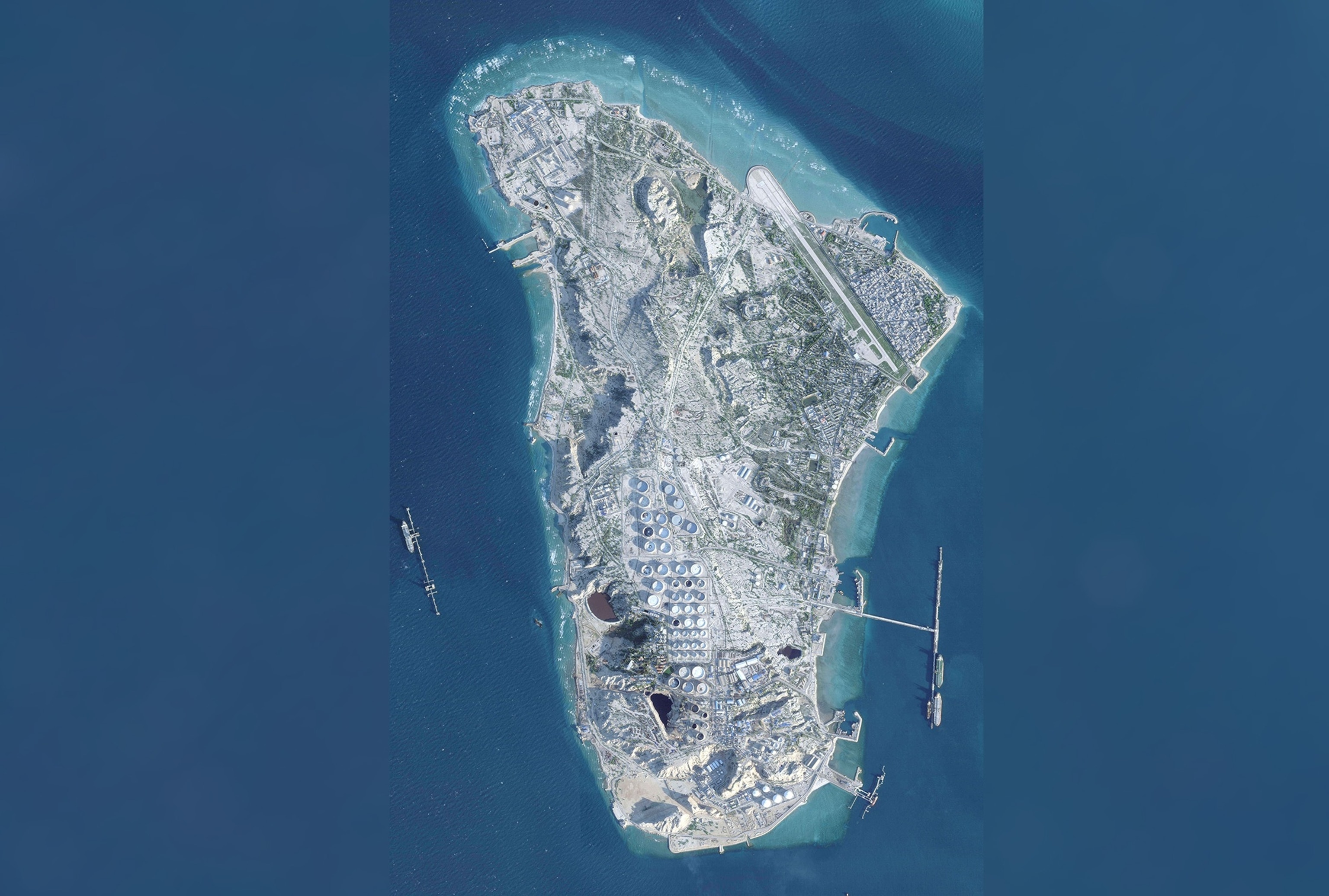
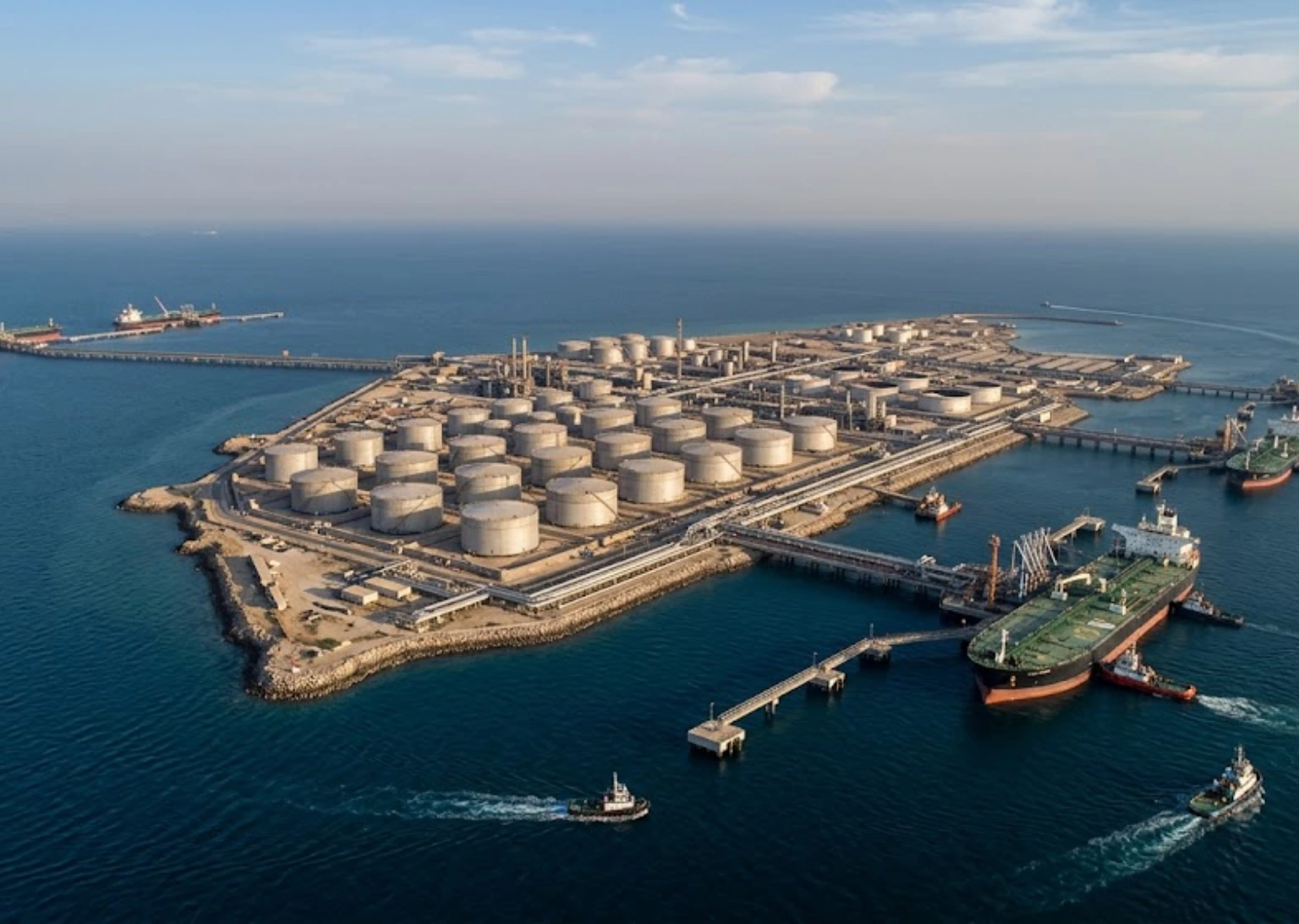
Kharg Island serves as the primary terminal for Iranian crude oil exports. By threatening this specific location, the U.S. administration is targeting the primary source of foreign currency for the Iranian government. According to reports, the strategy involves moving beyond sanctions to direct physical control of the assets that allow Iran to fund its government and regional activities.
“The U.S. will seize Iran’s Kharg Island and other ‘oil infrastructure points,'” as reported by CNBC.
Why is the U.S. targeting Kharg Island and oil infrastructure?
The focus on Kharg Island is strategic. Because the vast majority of Iran’s oil exports pass through this single point, any military action or seizure would effectively halt the Iranian government’s primary revenue stream. This represents a shift from “maximum pressure” via economic sanctions to a policy of direct physical intervention.
CNN reports that this shift stems from a sense of frustration within the Trump administration. The analysis suggests that previous diplomatic and economic pressures failed to force Iran to the negotiating table on the administration’s terms, leading Trump to return to military threats to “force Iran’s hand.”
Key strategic goals of targeting oil infrastructure include:
- Revenue Deprivation: Cutting off the flow of cash used to fund proxies and the Iranian military.
- Leverage: Using the threat of total economic collapse to compel Iran into a new nuclear or security agreement.
- Deterrence: Signaling that the U.S. is willing to engage in high-risk operations to stop Iranian aggression.
How did the current escalation start?
The current crisis has intensified rapidly. According to RTE.ie, the U.S. and Iran have exchanged attacks for a second straight day. This violence is particularly notable because it has occurred “amid truce,” indicating a complete breakdown of the temporary ceasefire that was intended to prevent a full-scale war.
The sequence of events suggests a cycle of retaliation. While the specific trigger for the most recent exchange remains a point of contention, the transition from a truce to active combat indicates that neither side currently trusts the other to maintain a ceasefire. The report from RTE.ie emphasizes that the attacks are ongoing, creating a volatile environment where a single miscalculation could lead to a broader regional conflict.
The following table summarizes how different news outlets are framing the current escalation:
| Source | Primary Focus | Key Detail Reported |
|---|---|---|
| The Irish Times | Broad Industry Threat | General threat to take control of the oil industry. |
| BBC | Specific Targets | Focus on the seizure of Kharg Island. |
| RTE.ie | Truce Violation | Two days of exchanged attacks despite a ceasefire. |
| CNBC | Infrastructure Seizure | Threats against “oil infrastructure points.” |
| CNN | Strategic Motivation | Trump’s frustration leading back to military options. |
What are the potential global economic impacts of seizing Iranian oil points?
A U.S. military seizure of Kharg Island or other oil infrastructure would likely trigger immediate volatility in global energy markets. Iran is a major producer of crude oil, and the threat of disruption in the Persian Gulf often leads to a “risk premium” being added to the price of a barrel of oil.
Industry analysts typically point to the Strait of Hormuz as the world’s most important oil chokepoint. If the U.S. takes control of Iranian oil points, Iran may respond by attempting to close the Strait, which would block the passage of oil from Saudi Arabia, Kuwait, Iraq, and the UAE. Such a move would potentially lead to a global energy crisis and a sharp spike in gasoline prices worldwide.
The implications extend beyond oil prices:
- Shipping Insurance: Costs for tankers operating in the Gulf would likely skyrocket.
- Market Instability: Stock markets often react negatively to instability in the Middle East due to the interdependence of global trade.
- Supply Chain Disruption: A prolonged conflict could disrupt the flow of petrochemicals used in thousands of industrial products.
For a related explainer on global oil chokepoints, see our analysis of the Strait of Hormuz.
How does this compare to previous US-Iran military tensions?
The current threats represent a significant escalation in rhetoric and intended action compared to previous years. While the U.S. has frequently used sanctions to choke Iran’s oil exports, the threat to physically seize infrastructure is a more aggressive posture.
CNN notes that this is a return to a “bombs” strategy. In previous escalations, the U.S. has targeted specific military assets or individual leaders. However, targeting the oil industry—the lifeblood of the Iranian economy—is a move toward total economic warfare. This mirrors historical precedents where nations have seized resource-rich territories to force a political surrender, though such actions are rare in the modern era between sovereign states.
The contrast is evident in the methods:
- Previous Strategy: Financial sanctions, diplomatic isolation, and targeted strikes.
- Current Threat: Direct seizure of nationalized infrastructure and “hitting very hard” in a concentrated timeframe.
What is the official response and current status of the conflict?
While the U.S. has issued clear threats via the presidency, the Iranian response has manifested as kinetic action. According to RTE.ie, Iran has already been exchanging attacks with the U.S. for two days. This suggests that Tehran is not deterred by the threats of infrastructure seizure and is instead opting for a strategy of active resistance.

The situation remains fluid. The mention of “tonight” in Trump’s statements creates a narrow window for diplomatic intervention. However, the failure of the previous truce suggests that the window for a peaceful resolution is closing. Military analysts suggest that if the U.S. does move on Kharg Island, the conflict will transition from a series of skirmishes to a full-scale war for control of the region’s energy assets.
The primary stakeholders involved in this escalation include:
- The White House: Seeking to force Iran’s hand through extreme economic and military pressure.
- The Iranian Government: Responding with attacks to signal that its oil assets are defended.
- Gulf Allies: Saudi Arabia and the UAE, who fear regional instability and disruptions to their own oil exports.
- Global Oil Markets: Reacting to the possibility of a supply shock in the Persian Gulf.
Frequently Asked Questions
What is Kharg Island and why is it important?
Kharg Island is the primary oil export terminal for Iran. Almost all of Iran’s crude oil exports are shipped from this location, making it the most critical piece of infrastructure for the Iranian economy. If the U.S. seizes it, Iran would be unable to export oil legally or efficiently.
Why did Donald Trump say the US will hit Iran “very hard tonight”?
According to reports from CNN and other outlets, the administration is frustrated with the lack of progress in forcing Iran to change its behavior. The threat is intended to create immediate pressure and signal that the U.S. is willing to use military force to achieve its goals.
Was there a truce between the US and Iran?
Yes, according to RTE.ie, a truce was in place. However, the report states that the two nations have been exchanging attacks for two days, indicating that the truce has been violated by both sides.
Could this lead to a global increase in oil prices?
Yes. Any military action in the Persian Gulf, especially targeting oil infrastructure or threatening the Strait of Hormuz, typically causes oil prices to rise due to the fear of supply disruptions.
Is the U.S. actually going to take over the Iranian oil industry?
The reports from CNBC and the BBC indicate that President Trump has threatened to seize “oil infrastructure points” and Kharg Island. Whether this threat is carried out or used as a diplomatic tool remains to be seen, but the rhetoric marks a significant escalation in U.S. policy.
