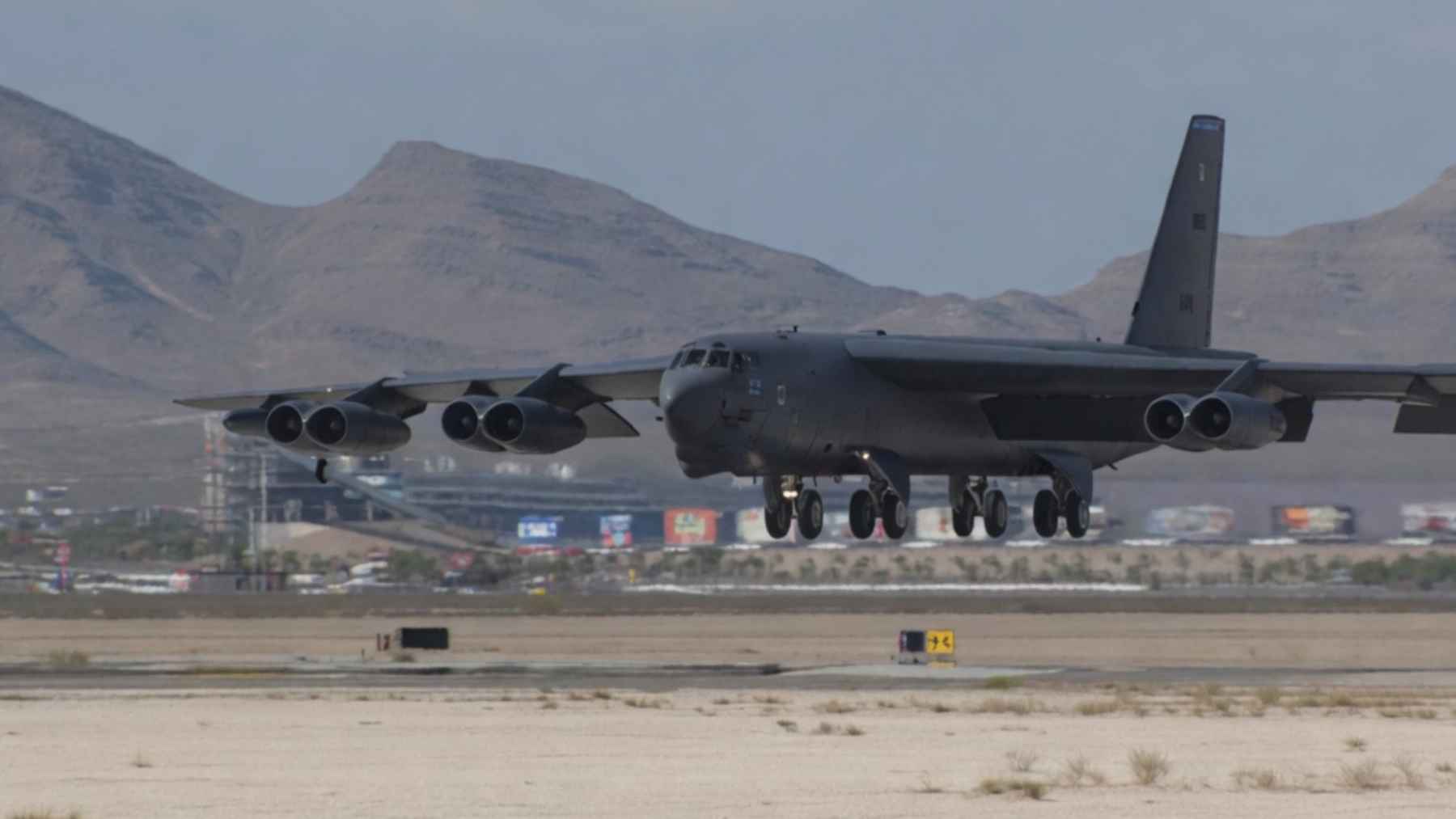
The U.S. Air Force’s aging B-52 Stratofortress fleet—some of its oldest operational aircraft—is getting a major upgrade with new engines designed to cut fuel consumption by 30% and extend their service life well past the 66 years of their original design.
According to public statements, the U.S. military has approved the installation of more efficient powerplants on the bombers, which have been in service since the 1950s. The upgrade aims to reduce operational costs while keeping the aircraft viable through at least 2050, a timeline that would push their service life to nearly a century.
Why the B-52’s Longevity Matters for Defense Budgets
The B-52 program, already a cornerstone of U.S. strategic deterrence, represents a rare case of sustained military investment in aging hardware. With an estimated fleet of 76 operational bombers, the Air Force has spent roughly $1.5 billion annually on maintenance and upgrades—figures that could shrink with the new engines. The 30% fuel savings alone could translate to hundreds of millions in annual cost reductions, according to defense analysts.
This move also reflects a broader trend in military procurement: extending the life of existing platforms rather than replacing them. The B-52’s endurance—already the longest of any U.S. combat aircraft—now faces competition from newer stealth bombers like the B-21 Raider. Yet the Stratofortress remains cheaper to operate per flight hour, making it a critical asset for global strike missions.
How the New Engines Work—and What They Save
The upgraded engines, developed in partnership with a major defense contractor, incorporate advanced materials and digital flight controls to improve efficiency. While exact costs were not disclosed, industry sources suggest the per-aircraft engine replacement could cost between $20 million and $30 million—far less than the $1 billion-plus price tag of a new B-21 bomber.
Key improvements include:
- A 30% reduction in fuel burn per flight hour, extending range and reducing refueling needs.
- Lower maintenance intervals due to fewer moving parts in the new design.
- Compatibility with existing B-52 airframes, avoiding costly structural modifications.
Pentagon officials have emphasized that the upgrades will not compromise the bomber’s nuclear-capable payload or stealth characteristics, though the Stratofortress remains a high-visibility target compared to newer platforms.
What Happens Next: Timeline and Industry Impact
Testing of the new engines is expected to begin in 2025, with full fleet integration targeted for 2027–2028. The Air Force has not yet announced a formal procurement timeline, but industry analysts anticipate a phased rollout to avoid disrupting training schedules.

For defense contractors, the upgrade presents both challenges and opportunities. While the engine manufacturer stands to gain from the contract, subcontractors specializing in B-21 development may see reduced demand as the Air Force prioritizes B-52 modernization. Meanwhile, the decision underscores the Pentagon’s focus on preserving legacy systems amid budget constraints.
With no direct competitors in the heavy bomber category, the B-52’s extended service life could also influence future defense spending. If successful, the program may set a precedent for other Cold War-era aircraft, such as the A-10 Warthog, to receive similar upgrades.
