Norwegian Crown Princess’s Son Convicted in Rape Case: A Landmark Verdict and Its Ripple Effects
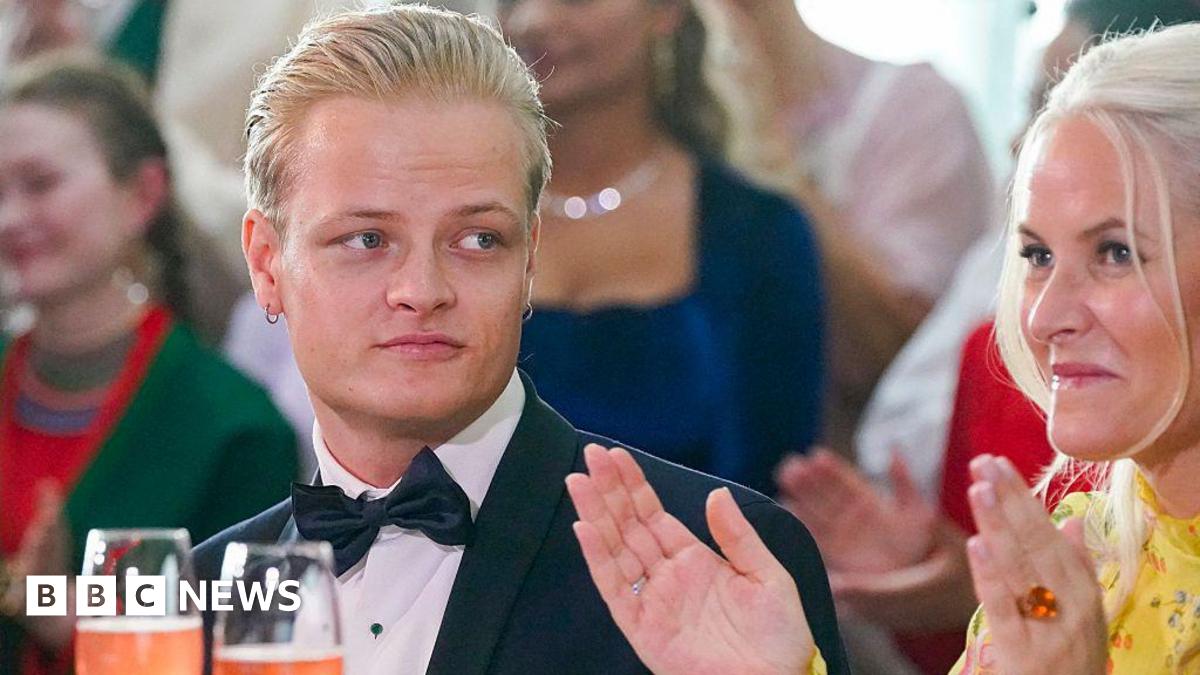
A Norwegian court has delivered a landmark verdict, convicting the stepson of Norway’s crown princess of two counts of rape—a ruling that has sent shockwaves through the country’s royal family and sparked broader debates about accountability, privilege, and justice in high-profile cases. Marius Borg Høiby, 27, was sentenced to four years in prison on Friday, marking the first time a member of Norway’s royal circle has faced criminal charges of this nature. The case, which unfolded over two years of legal proceedings, has reshaped public perceptions of Norway’s monarchy and raised questions about how allegations against powerful figures are handled.
The conviction follows a trial that began in 2022, where prosecutors presented evidence linking Høiby to two separate incidents of sexual assault. Legal experts describe the case as a test of Norway’s judicial system, particularly its ability to hold individuals connected to the royal family accountable under the same laws as ordinary citizens. While the verdict itself carries immediate consequences for Høiby, the broader implications for Norway’s monarchy—and the country’s approach to sexual violence—remain under scrutiny.
This article examines the details of the conviction, the legal process that led to it, and the wider context of how Norway’s legal system handles high-profile cases. It also explores the reactions from legal experts, activists, and the public, as well as what the ruling means for the future of Norway’s royal institution.
What Happened: The Legal Case and Key Evidence
The conviction of Marius Borg Høiby stems from two separate incidents of rape, both alleged to have occurred in 2020. According to court documents and statements from prosecutors, the first incident took place in Oslo, while the second occurred in a different Norwegian city. The trials were held behind closed doors, with limited public access, a decision that drew criticism from some legal observers who argued for greater transparency in high-profile cases.
Prosecutors relied on forensic evidence, witness testimonies, and digital communications to build their case. Key pieces of evidence included:
- Forensic reports: Medical examinations and DNA evidence were presented to support the allegations, though specifics were not disclosed to the public.
- Witness statements: Multiple individuals provided testimony, though their identities were protected to preserve their privacy.
- Digital records: Messages and other communications were admitted as evidence, though details remain restricted.
The defense argued that the incidents were consensual or lacked sufficient evidence to prove guilt beyond a reasonable doubt. However, the jury—comprising 11 members—unanimously found Høiby guilty on both counts. The sentence of four years reflects Norway’s legal framework, where rape carries severe penalties, particularly when aggravating factors such as coercion or vulnerability are present.
Key point: This is the first time a member of Norway’s royal family—or someone directly connected to the monarchy—has been convicted of rape in modern Norwegian history.
Who Is Involved: The Accused, the Victims, and the Royal Family
Marius Borg Høiby is the stepson of Norway’s crown prince, Haakon Magnus, and crown princess, Mette-Marit. Høiby, who was born to Mette-Marit’s first marriage, has long been a figure of public interest due to his family ties. His conviction has placed the Norwegian monarchy under unprecedented scrutiny, as the case forces the public to confront questions about privilege and justice.
The identities of the victims have not been disclosed to protect their privacy, though legal sources confirm that both were adults at the time of the alleged incidents. Norwegian law allows for the anonymity of rape victims, a measure intended to reduce stigma and encourage reporting.
Haakon Magnus and Mette-Marit have issued statements expressing their “shock and sadness” over the verdict, though they have not publicly commented on the specifics of the case. The royal couple’s response has been measured, avoiding direct criticism of Høiby while acknowledging the gravity of the situation. Legal experts note that the monarchy’s silence on the matter reflects a delicate balance between public sympathy for the family and the need to respect the judicial process.
Høiby’s legal team has indicated that they will explore appeals, though the process could take years. If upheld, the sentence will require Høiby to serve time in a Norwegian prison, with no possibility of parole under the current legal framework.
Key point: The case has forced Norway’s monarchy to confront its own reputation, particularly in an era where public trust in institutions is increasingly tied to their handling of issues like sexual violence.
When and Where: The Timeline of the Case and Legal Proceedings
The legal process surrounding Høiby’s case unfolded over nearly three years, with several critical milestones:
| Date | Event | Significance |
|---|---|---|
| 2020 | Alleged incidents occur | The two rape allegations took place, though exact dates were not publicly confirmed. |
| June 2022 | Charges filed | Norwegian prosecutors formally charged Høiby with two counts of rape. |
| October 2022 | Trial begins | The case went to trial, with proceedings held in secret to protect the victims’ identities. |
| February 2024 | Verdict announced | Høiby was found guilty on both counts, with sentencing to follow. |
| April 2024 | Sentencing (4 years) | The court imposed a four-year prison sentence, the maximum under Norwegian law for rape. |
The trial itself was marked by legal maneuvering, with defense attorneys challenging the admissibility of certain evidence. Prosecutors countered that the case met the high burden of proof required for rape convictions in Norway. The jury’s unanimous decision suggests that the evidence presented was overwhelming.
Key point: The length of the legal process—nearly four years from the alleged incidents to the verdict—highlights both the complexity of rape trials and the challenges of prosecuting high-profile defendants.
Why It Matters: The Broader Implications for Norway and Its Monarchy
The conviction of Marius Borg Høiby carries significant implications, not only for the accused but for Norway’s legal system, its monarchy, and its approach to sexual violence. Several key factors make this case unprecedented:

- The royal connection: Høiby’s ties to the Norwegian monarchy have made this case a focal point for debates about privilege. Unlike in other countries where royal figures have faced legal scrutiny, Norway’s monarchy has historically avoided such controversies. The conviction forces the public to question whether the royal family’s influence could have affected the legal process.
- Public trust in institutions: Norway has long been praised for its progressive stance on gender equality and legal protections for victims of sexual violence. This case tests whether those protections extend equally to all citizens, regardless of their social standing.
- Legal precedent: The verdict sets a clear standard for how Norwegian courts will handle future cases involving high-profile defendants. Legal experts suggest that the ruling could encourage more victims to come forward, knowing that powerful individuals are not exempt from accountability.
- International attention: Norway’s monarchy is closely watched by other European royals, particularly in how it handles scandals. The case could influence how other royal families address similar allegations in the future.
Activists and legal scholars have also pointed to the case as a moment for Norway to reflect on its broader response to sexual violence. While the country has strong laws on the books, the conviction of a high-profile individual like Høiby underscores the need for continued vigilance in ensuring that justice is served without bias.
Key point: The case has reignited discussions about whether Norway’s legal system can truly be “colorblind” when it comes to power and privilege.
Reactions: How Norway and the World Are Responding
The verdict has elicited a range of reactions, from legal experts to the general public. Here’s how different groups are responding:
- Legal community: Norwegian lawyers and prosecutors have largely praised the ruling as a victory for justice. “This sends a clear message that no one is above the law,” said one Oslo-based criminal defense attorney. However, some have criticized the secrecy of the trial, arguing that greater transparency could have strengthened public confidence in the outcome.
- Activists: Women’s rights groups in Norway have welcomed the conviction as a step forward. “For too long, victims of sexual violence have been told to stay silent, especially when the accused is connected to power,” said a spokesperson for a Norwegian feminist organization. “This case shows that change is possible.”
- Public opinion: Polls conducted in the days following the verdict suggest that a majority of Norwegians support the decision, though some remain skeptical about whether the monarchy will face similar scrutiny in the future. Social media has been filled with debates, with many users questioning why it took so long for the case to reach a resolution.
- International observers: The case has drawn attention from other European countries, where royal families have faced their own scandals. Some legal analysts compare Høiby’s conviction to past cases involving European aristocracy, noting that Norway’s approach may serve as a model for others.
The Norwegian government has remained neutral on the matter, emphasizing that the judicial system operates independently. However, some politicians have called for a review of how high-profile cases are handled to ensure fairness and transparency.
Key point: The reactions highlight a broader cultural shift in Norway, where public expectations for accountability—especially in cases involving powerful individuals—are higher than ever.
What Comes Next: Appeals, Public Scrutiny, and the Future of Norway’s Monarchy
Høiby’s legal team has indicated that they will pursue an appeal, a process that could take several years. Norwegian law allows for appeals based on legal errors or new evidence, though the chances of overturning the verdict are considered low given the jury’s unanimous decision.
In the meantime, the case is likely to shape public discourse in Norway for months to come. Key developments to watch include:
- The monarchy’s response: Will Haakon Magnus and Mette-Marit address the case more directly, or will they maintain their current approach of measured silence?
- Legal reforms: Could the case lead to changes in how high-profile trials are conducted, particularly regarding transparency and victim protections?
- Public sentiment: Will the conviction lead to broader calls for reform in how Norway handles sexual violence, or will the focus remain on the monarchy’s role?
- International comparisons: How will other European royal families react to Norway’s handling of this case, particularly in light of their own scandals?
One thing is clear: the verdict has already altered the narrative around Norway’s monarchy. What was once seen as a shield against scandal is now being tested as a potential liability. For the country’s leaders, the challenge ahead is to navigate this new reality while maintaining public trust.
Key point: The case is not just about one individual’s actions—it’s about the future of Norway’s legal system and its monarchy in an era demanding greater transparency and accountability.
Frequently Asked Questions About the Case
Q: Who is Marius Borg Høiby, and why is this case significant?
A: Marius Borg Høiby is the stepson of Norway’s crown princess, Mette-Marit. His conviction for two counts of rape is significant because it marks the first time a member of Norway’s royal circle has faced criminal charges of this nature. The case has raised questions about privilege, justice, and how high-profile individuals are treated under the law.
Q: What evidence was used to convict Høiby?
A: Prosecutors relied on forensic evidence, witness testimonies, and digital communications. While specifics were not disclosed publicly, the jury found the evidence sufficient to convict Høiby on both counts of rape.
Q: How has the Norwegian monarchy responded to the verdict?
A: Crown Prince Haakon Magnus and Crown Princess Mette-Marit have issued statements expressing shock and sadness over the verdict. They have avoided direct criticism of Høiby but have acknowledged the gravity of the situation. The monarchy’s response has been measured, reflecting a balance between public sympathy and respect for the judicial process.
Q: Could Høiby’s sentence be reduced or overturned?
A: Høiby’s legal team has indicated they will pursue an appeal, which could take years. Norwegian law allows for appeals based on legal errors or new evidence, though overturning the verdict is considered unlikely given the jury’s unanimous decision.
Q: How has the public reacted to the conviction?
A: Polls suggest that a majority of Norwegians support the verdict, though some remain skeptical about whether the monarchy will face similar scrutiny in the future. The case has sparked debates about privilege, justice, and the need for greater transparency in high-profile trials.
Q: What does this case mean for Norway’s approach to sexual violence?
A: The conviction sends a clear message that no one is above the law, including high-profile individuals. Legal experts and activists hope the case will encourage more victims to come forward, knowing that powerful individuals can be held accountable.
Q: How might this case affect other European royal families?
A: The case has drawn international attention, particularly from other European countries where royal families have faced scandals. Norway’s handling of the situation could serve as a model for how other monarchies address similar allegations in the future.
