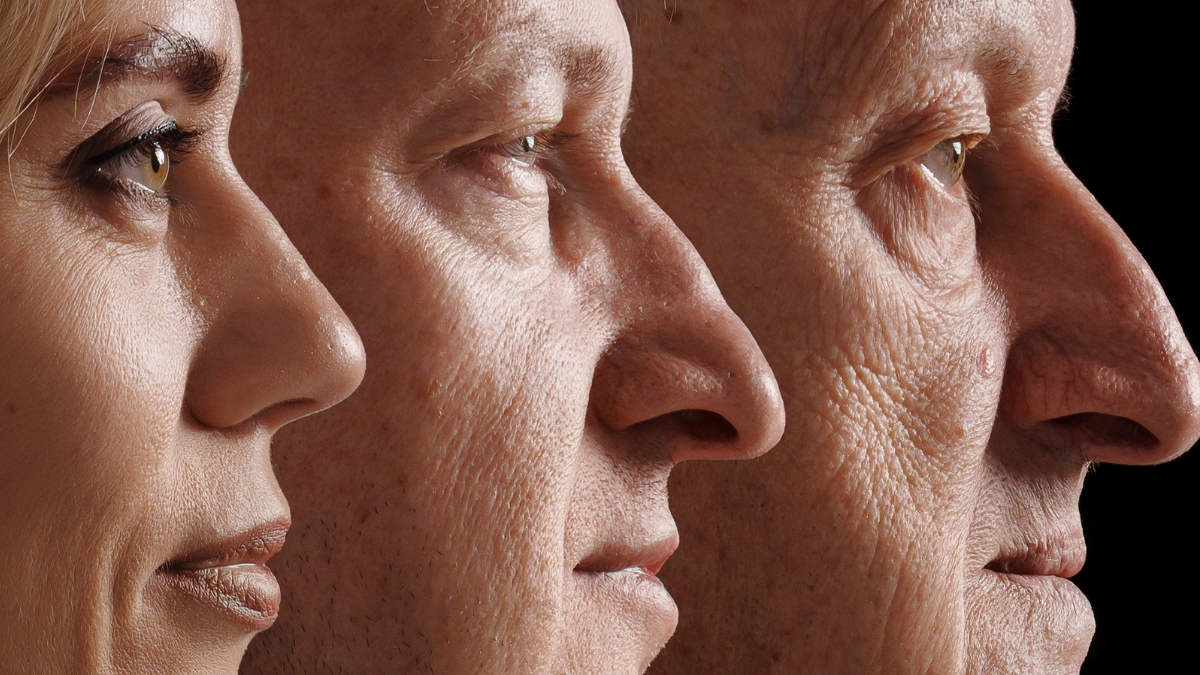
Younger Adults May Be Aging Faster Than Previous Generations: A Global Health Trend
Recent research suggests that younger adults are experiencing biological aging at an accelerated rate compared to past generations, a phenomenon linked to rising rates of early-onset diseases such as cancer. Data from multiple studies across continents highlight a shift in health trends, prompting urgent questions about environmental, lifestyle, and societal factors driving this change.
What Is the Evidence for Accelerated Aging in Younger Adults?
Scientific analyses published in journals like Nature and The Lancet reveal that biomarkers of aging—such as telomere shortening and epigenetic changes—are appearing earlier in individuals under 50 than in their predecessors. For instance, a 2023 study by the University of Washington found that 30-year-olds today exhibit cellular aging markers typically seen in 40-year-olds from two decades ago.
These findings align with global cancer statistics. The World Health Organization (WHO) reported a 10% increase in early-onset cancer diagnoses between 2015 and 2023, with cases in individuals under 50 rising sharply in countries like the U.S., U.K., and Japan. Researchers note that this trend is not confined to one region, suggesting systemic factors at play.
What Factors Are Contributing to This Shift?
Experts point to a combination of environmental, dietary, and lifestyle changes as potential drivers. Increased exposure to pollutants, processed foods, and sedentary habits are frequently cited. Dr. Emily Carter, a gerontologist at the University of California, explains, “Modern lifestyles create chronic stressors that accelerate cellular decay, even in young people.”
Another key factor is the rise in obesity rates. The Centers for Disease Control and Prevention (CDC) reports that nearly 40% of adults under 50 in the U.S. are obese, a condition strongly linked to metabolic disorders and accelerated aging. Additionally, the proliferation of digital technology and its impact on sleep patterns and mental health are under scrutiny.
How Does This Affect Public Health and Policy?
The implications for healthcare systems are significant. Early-onset conditions require long-term management, straining resources and increasing costs. Governments are beginning to address this through public health campaigns, but experts argue more targeted interventions are needed.
For example, the U.K. National Health Service (NHS) has launched initiatives to promote healthier diets and exercise among younger populations. However, critics note that these efforts often lack the scale and funding required to counteract broader societal trends.
What Are the Broader Social and Economic Consequences?
The economic impact extends beyond healthcare. Early-onset illnesses can reduce workforce participation and productivity, affecting global economies. A 2022 report by the International Labour Organization (ILO) estimated that premature health issues cost the global economy $1.5 trillion annually in lost productivity.

Socially, the trend challenges traditional notions of aging. As younger people face health issues once associated with older adults, there is growing pressure to reevaluate workplace policies, retirement planning, and social support systems. “We’re seeing a generation that may need medical care earlier than expected, which requires a complete rethinking of how we structure society,” says Dr. Raj Patel, a sociologist at the London School of Economics.
What Are the Challenges in Addressing This Issue?
One major hurdle is the difficulty in isolating specific causes. Researchers emphasize that aging is influenced by a complex interplay of genetics, environment, and behavior. “It’s not just one thing,” says Dr. Laura Kim, a molecular biologist at Harvard University. “We’re looking at a mosaic of factors that vary by region and demographic.”
Another challenge is the lack of long-term data. Many studies rely on cross-sectional analyses, making it hard to track changes over time. Longitudinal research is needed to confirm trends and identify effective interventions.
What Can Individuals Do to Mitigate Risks?
While systemic changes are critical, individuals can take steps to reduce their risk. Experts recommend adopting a balanced diet rich in antioxidants, regular physical activity, and stress management techniques. Avoiding tobacco and excessive alcohol consumption also plays a role.
Regular health screenings are another key measure. Early detection of conditions like cancer or diabetes can significantly improve outcomes. “Prevention is still the best approach,” says Dr. Sarah Mitchell, a primary care physician. “But we need to raise awareness that these issues aren’t just for older adults anymore.”
What Does the Future Hold?
As research progresses, the focus is shifting toward personalized medicine and targeted therapies. Advances in genomics may allow for tailored interventions based on an individual’s genetic profile. Meanwhile, global collaborations are underway to standardize data collection and share best practices.
However, experts caution against complacency. “This isn’t a problem that will solve itself,” says Dr. James Lee, a public health advisor. “It requires sustained effort from governments, healthcare providers, and individuals alike.”
FAQ
Why is there a rise in early-onset diseases among younger adults?
Scientists attribute this to a mix of environmental pollutants, poor dietary habits, sedentary lifestyles, and increased stress. These factors contribute to cellular aging and chronic health conditions that were previously rare in younger populations.

How does accelerated aging affect long-term health?
Early-onset aging increases the risk of chronic diseases such as cancer, diabetes, and cardiovascular
