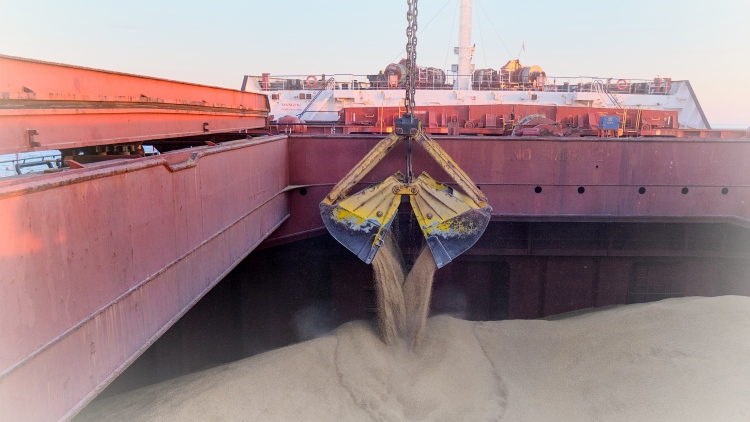
Egypt is initiating a massive desert reclamation effort to boost domestic wheat production and curtail its status as the world’s largest importer, according to local reports. This strategic shift aims to secure food supplies and reduce vulnerability to global market volatility, a move that could significantly lower international demand and disrupt global wheat pricing.
- Strategic Goal: Reduce heavy reliance on wheat imports from Russia and Ukraine.
- Method: Large-scale conversion of desert land into arable farmland.
- Market Impact: A successful transition could trigger a price drop in the global wheat market due to Egypt’s massive purchasing power.
- Primary Risks: Severe water scarcity and the high cost of desert irrigation infrastructure.
How Egypt’s Production Shift Could Disrupt Global Markets
As the largest importer of wheat globally, Egypt’s purchasing decisions dictate significant price swings in the international commodities market. Local reports indicate that if Egypt successfully scales its desert farming projects, the resulting decrease in import demand could create a surplus in the global supply chain, potentially lowering prices for other buyers but challenging the revenue models of major exporting nations.
The project focuses on reclaiming vast tracts of desert land to grow wheat, moving the country away from a precarious dependence on a few key suppliers. By shifting toward self-sufficiency, Egypt seeks to insulate its economy from the “earthquake” effects of geopolitical instability in grain-producing regions.
The Influence of the Russia-Ukraine Conflict
The urgency of this agricultural expansion stems from the volatility caused by the war in Ukraine. According to local reports, the conflict disrupted traditional supply chains and highlighted the fragility of Egypt’s food security, as the country relies heavily on the Black Sea region for its grain.
This vulnerability forced a policy pivot toward domestic production. Rather than relying on the stability of foreign governments and shipping lanes, the Egyptian government is prioritizing the development of internal resources to ensure a steady bread supply for its population.
Water Scarcity and Agricultural Hurdles
Despite the strategic ambition, the transition to desert farming faces steep physical and financial obstacles. The primary constraint is water availability, as wheat is a water-intensive crop and Egypt’s desert regions lack natural irrigation.
Developing the necessary infrastructure to transport and manage water in the desert requires massive capital investment. Additionally, desert soil often lacks the nutrient density of the Nile Delta, requiring extensive fertilization and soil treatment to achieve viable yields.
Economic Implications for Food Security
For the Egyptian economy, the move is a hedge against inflation and currency devaluation. Importing wheat requires vast amounts of foreign currency; by producing grain domestically, Egypt can reduce its foreign exchange outflows and stabilize the cost of bread, a critical political and social staple in the country.
The success of the initiative depends on whether the cost of desert reclamation remains lower than the long-term cost of importing grain amid an increasingly unstable global political climate.
