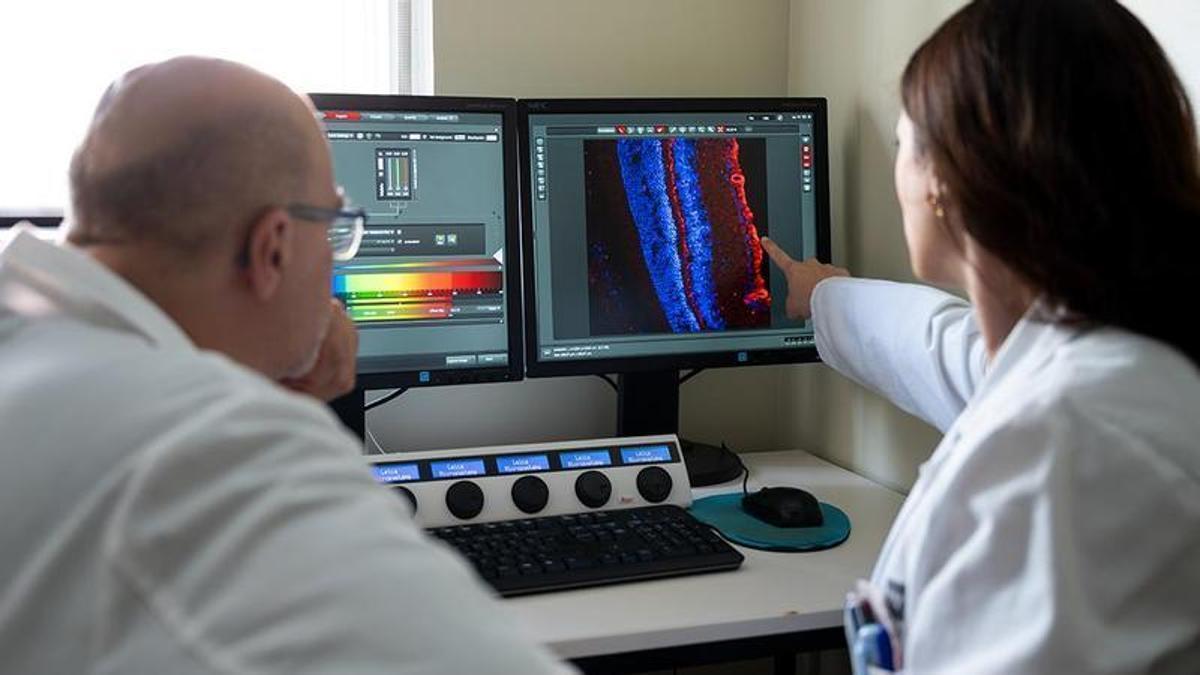
The Hospital Gregorio Marañón de Madrid has initiated a clinical investigation into a novel ophthalmic solution for managing glaucoma, a leading cause of irreversible vision loss worldwide. The study, led by a team of ophthalmologists and pharmacologists, aims to evaluate the efficacy and safety of a new topical treatment designed to lower intraocular pressure, a primary risk factor for glaucoma progression.
What the Research Found
Early preliminary data from the trial, conducted across multiple outpatient clinics in Madrid, suggest that the investigational colirio may reduce intraocular pressure by an average of 15% over a 12-week period. This finding, reported by the research team, aligns with preclinical studies that demonstrated the drug’s potential to enhance aqueous humor outflow, the fluid responsible for maintaining eye pressure. However, the study sample included 120 participants, and results are currently unpeer-reviewed.
How the Treatment Works
The colirio contains a synthetic compound that targets specific receptors in the eye’s drainage system, potentially improving fluid drainage. Unlike traditional glaucoma medications, which often require multiple daily applications, this formulation is designed for once-daily use. Researchers emphasized that the treatment is still in the early phases of testing and has not yet received regulatory approval.
Limitations and Next Steps
Experts involved in the study noted several limitations, including the small sample size and lack of long-term data on safety and effectiveness. “This is a promising avenue, but we need larger, randomized trials to confirm these results,” said one of the lead investigators. The team plans to expand the study to 500 participants in the next phase, with results expected in 2025.
What Officials Recommend
Public health authorities in Spain have not yet issued guidance on the treatment, as it remains in the experimental stage. However, they reiterated standard recommendations for glaucoma management, including regular eye exams, adherence to prescribed medications, and lifestyle modifications such as reducing caffeine intake and maintaining stable blood pressure. “Patients should not discontinue existing treatments based on early trial data,” a spokesperson for the Spanish Society of Ophthalmology stated.
