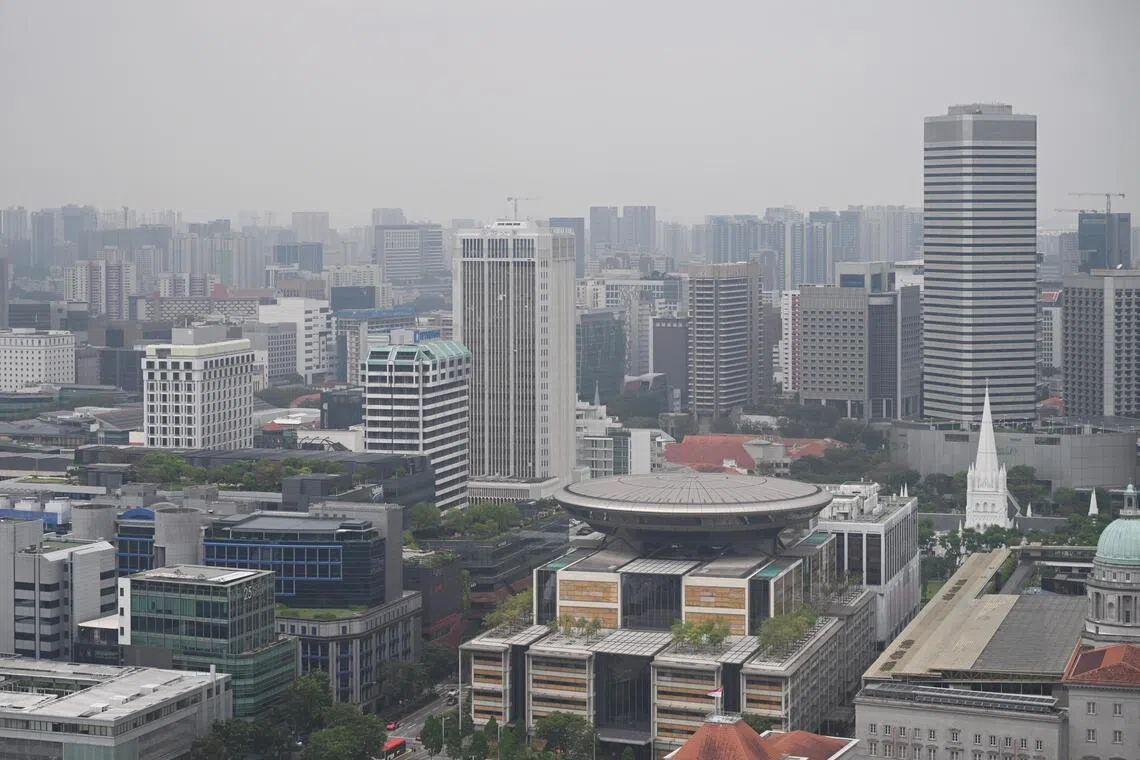
High Haze Risk in S’pore Due to El Nino and Biofuel Demand: Analysis of the Growing Threat
Southeast Asia faces a high risk of severe haze through 2026, driven by the convergence of El Niño-induced droughts, rising global biofuel demand, and budget reductions for fire prevention in Indonesia, according to reports from CNA and Bloomberg. These factors combine to increase the likelihood of large-scale land clearing fires that drift into Singapore.
The intersection of climate volatility and economic incentives has created a volatile environment for air quality in the region. While Singapore maintains strict transboundary haze laws, the primary drivers of the smoke—namely peatland fires in neighboring territories—are influenced by global market trends and atmospheric shifts beyond local control. The current outlook suggests a multi-year window of elevated risk as the region navigates the effects of a strong El Niño cycle and a shifting energy landscape.
Why is El Niño increasing the risk of haze in Southeast Asia?
El Niño acts as a primary catalyst for haze by altering precipitation patterns across the Maritime Continent. According to Bloomberg, this climate phenomenon raises the risk of severe haze by suppressing rainfall and inducing prolonged dry spells. When the region experiences these droughts, the organic matter in peatlands becomes highly flammable.
Peatlands are carbon-rich wetlands that, when drained for agriculture, turn into tinderboxes. During an El Niño year, the lack of rain prevents these areas from remaining saturated. Once a fire starts—whether accidental or intentional—it can burn underground for weeks, making the fires nearly impossible to extinguish with traditional firefighting methods. This subterranean combustion releases massive volumes of particulate matter (PM2.5) into the atmosphere, which then drifts across borders depending on wind direction.
The timing of these events is critical. Because El Niño cycles can persist or recur, the risk is not limited to a single season. Reports from CNA indicate a high risk of severe haze extending through 2026, suggesting that the atmospheric instability will likely linger, leaving the region vulnerable to repeated burning episodes.
| Climate Factor | Physical Effect | Result for Air Quality |
|---|---|---|
| Reduced Precipitation | Drying of peatlands and forest floors | Increased ignition probability |
| Higher Temperatures | Faster evaporation of surface moisture | Rapid spread of surface fires |
| Wind Pattern Shifts | Transport of smoke plumes | Transboundary haze in Singapore/Malaysia |
How does global biofuel demand contribute to air pollution?
The drive toward renewable energy has an unintended consequence for Southeast Asian air quality. According to reports highlighting the high haze risk in S’pore due to El Nino and biofuel demand – The Straits Times, the global push for biofuels is increasing the economic incentive to expand oil palm plantations.
Biofuels, derived from organic materials like palm oil, are seen as alternatives to fossil fuels. As governments worldwide implement mandates to blend biofuels into transport fuels, the demand for palm oil increases. This demand encourages the conversion of primary forests and peatlands into agricultural land. The most cost-effective method for clearing this land is “slash-and-burn” agriculture.
While large-scale corporate planters often claim to follow “no-burn” policies, the economic pressure to expand quickly—combined with the dry conditions provided by El Niño—makes fire an attractive tool for land preparation. When biofuel demand spikes, the land-clearing cycle accelerates, directly increasing the number of ignition points across Sumatra and Kalimantan.
This creates a paradox where a global effort to reduce carbon emissions through biofuels may lead to short-term spikes in carbon release and air pollution via peatland fires. The resulting haze not only affects health but also disrupts regional aviation and tourism.
What role do Indonesian budget cuts play in fire prevention?
Environmental safeguards are only as effective as the funding behind them. A report from CNA notes that budget cuts in Indonesia for fire prevention and monitoring have further heightened the risk of severe haze. This financial contraction limits the ability of local authorities to conduct preemptive peatland wetting and patrol high-risk areas.
Fire prevention in Indonesia relies heavily on two strategies: peatland restoration (rewetting) and early detection. Rewetting involves blocking drainage canals to keep peatlands moist, which prevents them from catching fire during droughts. Budget cuts reduce the number of canal blocks that can be built and maintained.
Furthermore, reductions in funding affect the deployment of “fire brigades” and the maintenance of satellite monitoring systems used to identify hotspots. When budgets are slashed, the response time to a new fire increases. In the context of an El Niño drought, a delay of a few days in extinguishing a hotspot can mean the difference between a localized fire and a regional haze crisis.
The combination of high economic incentive (biofuel demand), high environmental vulnerability (El Niño), and low institutional capacity (budget cuts) creates a “perfect storm” for transboundary haze.
How is the agricultural sector responding to El Niño?
While the haze risk is a public health crisis, the agricultural sector views El Niño through a different lens. According to The Star, El Niño may actually benefit upstream planters and beverage firms in certain contexts. This occurs because drier weather can lead to higher concentrations of certain crop yields or different market pricing dynamics that favor producers over processors.
However, this economic benefit is precarious. The Edge Malaysia reports that the Agriculture Ministry is issuing early warnings and closely monitoring food output to mitigate the risks of crop failure. While some upstream entities might see short-term gains, the broader agricultural landscape faces significant threats from water scarcity.
The contrast between the economic outlook for planters and the environmental risk for the general public highlights a systemic tension. The same conditions that might benefit a specific segment of the palm oil industry—namely, the drive for expansion and the weather patterns of El Niño—are the same conditions that trigger the haze crises affecting millions of residents in Singapore and Malaysia.
| Stakeholder | Potential Impact | Source of Risk/Benefit |
|---|---|---|
| Upstream Planters | Potential profit increase | Higher demand/yield concentration (The Star) |
| Food Producers | Output instability | Water scarcity and crop stress (The Edge Malaysia) |
| Government Agencies | Increased monitoring costs | Need for early warning systems (The Edge Malaysia) |
Comparing the drivers of the 2024-2026 haze risk
To understand the current threat, it is necessary to distinguish between the cyclical climate drivers and the structural economic drivers. The haze is not caused by a single factor but by the synchronization of three distinct pressures.
First, the climate pressure (El Niño) provides the physical conditions. Without the drought, land clearing would be slower and fires less likely to spread. Second, the economic pressure (biofuel demand) provides the motive. The desire to capitalize on the green energy transition drives the expansion of oil palm estates into protected peatlands.
Third, the political-financial pressure (budget cuts) removes the safety net. Even with drought and demand, a well-funded prevention strategy could theoretically keep the haze in check. The removal of these resources leaves the region exposed.
This differs from previous haze events where the cause was often attributed primarily to illegal land clearing. The current situation is more complex because it ties regional air quality to global energy policies and international climate cycles. The risk is no longer just a local enforcement issue but a symptom of global economic shifts.
For those tracking regional air quality, a related explainer on PM2.5 levels can provide more detail on how these pollutants affect respiratory health during haze episodes.
Common misconceptions about Southeast Asian haze
A frequent oversimplification is that haze is solely the result of “bad actors” or illegal farmers. While illegal burning exists, the biofuel demand narrative suggests a more systemic issue. When global markets demand more palm oil for “green” fuels, the entire supply chain feels the pressure to expand. This often leads to “legal” expansions that still utilize risky land-clearing practices.
Another misconception is that El Niño automatically means haze. El Niño creates the risk, but human activity provides the ignition. If peatlands were fully restored and no burning occurred, the drought would lead to water shortages but not necessarily to a transboundary haze crisis. The haze is a human-made disaster enabled by a natural climate event.
Finally, some believe that Singapore’s Transboundary Haze Pollution Act is the primary tool for prevention. While the Act allows Singapore to take legal action against companies causing haze, it is a reactive measure. Prevention depends entirely on the ground-level activities in Indonesia and Malaysia, making the budget cuts mentioned by CNA a more immediate concern than legal frameworks.
What to monitor in the coming years
The window of risk extending to 2026 means that stakeholders must look beyond the current season. Several key indicators will determine if the worst-case scenarios manifest.
- Sea Surface Temperatures: Monitoring the Pacific Ocean for the strength and duration of El Niño. A “Super El Niño” would drastically increase the dryness of Sumatra and Kalimantan.
- Biofuel Mandates: Changes in European or North American mandates for palm-oil-based biofuels. A surge in these mandates could trigger another wave of land clearing.
- Indonesian Fiscal Policy: Whether the Indonesian government restores funding for the Peatland and Mangrove Restoration Agency (BRGM) and other fire-fighting bodies.
- ASEAN Cooperation: The effectiveness of the ASEAN Agreement on Transboundary Haze Pollution in coordinating regional responses.
The persistence of these risks suggests that air quality in Singapore will remain sensitive to external shocks. Residents and businesses should prepare for potential volatility in the Pollutant Standards Index (PSI) during the dry windows of the next two years.
Frequently Asked Questions
Why is there a high haze risk in S’pore due to El Nino and biofuel demand – The Straits Times?
The risk is high because El Niño creates the dry weather necessary for fires to spread, while the global demand for biofuels incentivizes the clearing of peatlands for palm oil plantations. This combination, alongside reduced fire-prevention budgets in Indonesia, increases the likelihood of smoke drifting into Singapore.

How long will the increased haze risk last?
According to reports from CNA and other regional sources, there is a high risk of severe haze for the remainder of the period leading into 2026, coinciding with the projected effects of the El Niño cycle.
Does biofuel demand actually cause fires?
Biofuel demand increases the market value of palm oil. This encourages the expansion of plantations into forest and peatland areas. Because burning is the cheapest way to clear this land, higher demand often correlates with an increase in land-clearing fires.
What is the difference between El Niño and the haze?
El Niño is a natural climate pattern that causes drought in Southeast Asia. The haze is the resulting pollution caused when humans set fire to the dried-out land. El Niño makes the land easier to burn and the fires harder to put out.
Can Singapore stop the haze on its own?
No. While Singapore can implement health advisories and use legal tools like the Transboundary Haze Pollution Act, the source of the haze is outside its borders. Prevention depends on land-management practices and fire-fighting efforts in Indonesia and Malaysia.
For further information on protecting your health during these periods, you may want to read a guide on air purifier standards to ensure your home remains a safe environment during high-PSI days.
