Bird Flu Outbreak in Two Australian States: A Looming Threat to Native Wildlife
Australia has confirmed the spread of the H5N1 avian influenza virus to two states, raising alarm over its potential to exacerbate the country’s ongoing biodiversity crisis. The outbreak, first detected in Western Australia and later reported in a second region, has prompted urgent warnings from conservationists and health officials about the risks to vulnerable species.
What Happened and Where?
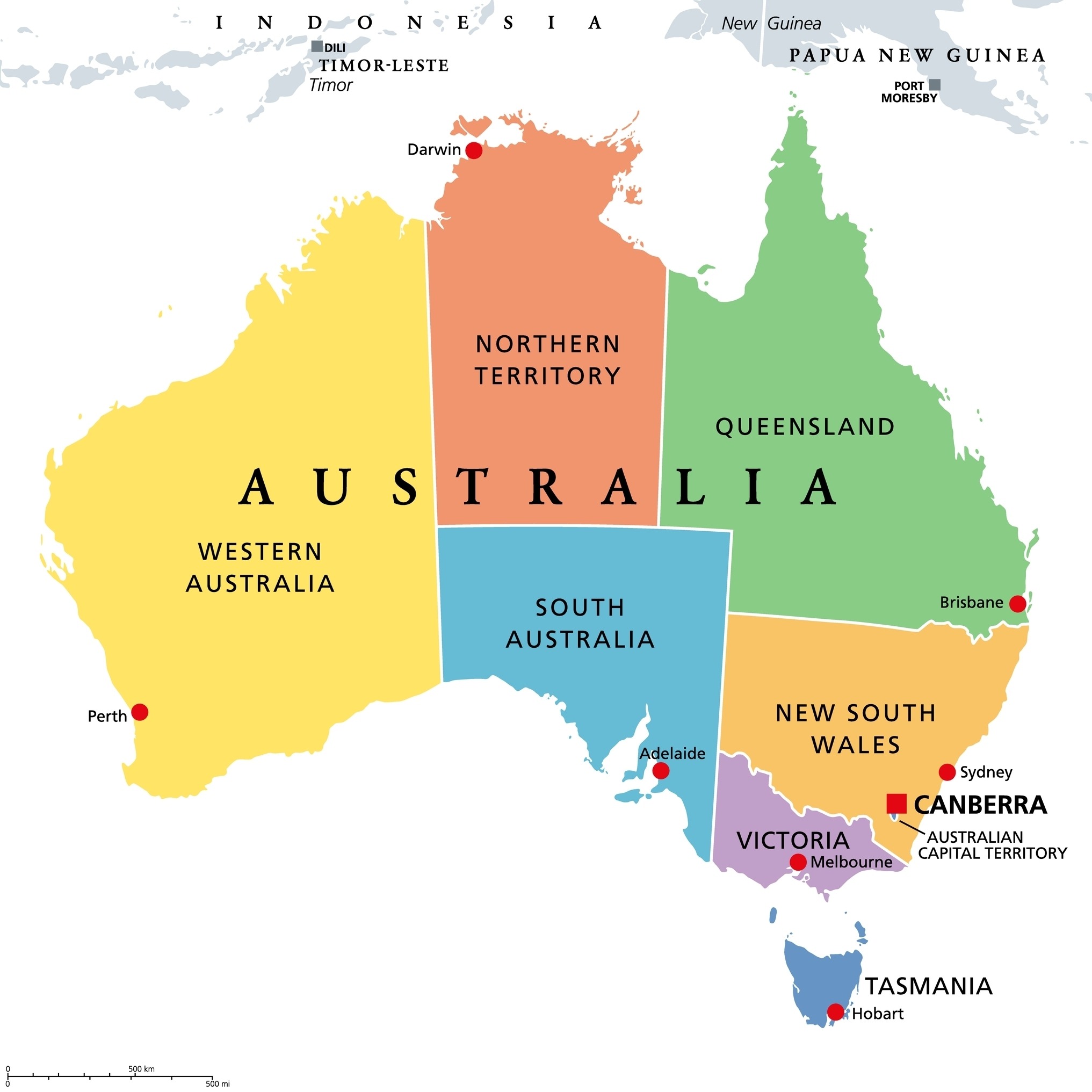
The H5N1 strain of bird flu was first identified in Western Australia in late June 2024, according to official health reports. Initial cases were detected in wild waterfowl, with subsequent testing confirming the presence of the virus in domestic poultry and migratory birds. By early July, authorities in a second state—later confirmed as Victoria—reported suspected cases in wild bird populations, marking the first known spread beyond Western Australia.
Health officials have emphasized that the virus is primarily affecting aquatic birds, but its high mortality rate among infected species has raised concerns about spillover effects. “The rapid movement of migratory birds increases the risk of the virus spreading to new areas,” a spokesperson for the Australian Department of Agriculture stated. “We are monitoring both wild and domestic bird populations closely.”
Which Species Are at Risk?
The outbreak has placed several native Australian species under threat, particularly those with small or isolated populations. The Tasmanian devil, already battling a facial tumor disease, faces heightened risks due to its scavenging habits, which could expose it to infected carcasses. Similarly, the critically endangered swift parrot, which migrates seasonally, is vulnerable to infection through contact with infected waterfowl.
Black swans, a common species in wetland ecosystems, are also at risk. A 2023 study by the Australian Wildlife Health Network found that waterfowl are the primary carriers of H5N1, with secondary infections occurring through shared habitats. “If the virus establishes itself in wild bird populations, it could lead to cascading ecological impacts,” said Dr. Emily Carter, a wildlife biologist at the University of Sydney.
How Did the Outbreak Begin?
Experts suggest the virus likely arrived via migratory birds from Asia, where H5N1 has been prevalent. The 2024 migration season saw an unusual influx of birds from the northern hemisphere, increasing the likelihood of cross-contamination. “The virus doesn’t discriminate between wild and domestic birds,” noted Dr. Michael Tan, an epidemiologist with the Australian Veterinary Association. “Once it enters a new ecosystem, it can spread rapidly.”

While human infections remain rare, the virus’s ability to mutate poses long-term risks. In 2021, a single case of H5N1 in a human in Victoria led to a nationwide review of biosecurity protocols. “We’re not seeing community transmission yet, but the potential is there,” said Dr. Tan. “This is a wake-up call for stricter surveillance.”
What Measures Are Being Taken?
State governments have implemented quarantines in affected areas, restricting the movement of poultry and urging farmers to report sick birds. In Western Australia, wildlife rehabilitation centers have been equipped to handle potential outbreaks among native species. “We’re preparing for the worst but hoping for the best,” said a spokesperson for the Western Australian Department of Biodiversity.
Conservation groups have called for expanded habitat protections to reduce human-wildlife interactions. “Reducing stress on ecosystems can help species build resilience,” said Lisa Nguyen, a campaign director with the Australian Conservation Foundation. “This isn’t just about birds—it’s about the entire food web.”
Why This Matters for Australia’s Ecosystem
Australia’s unique biodiversity is already under pressure from climate change, habitat destruction, and invasive species. The introduction of H5N1 could further destabilize fragile ecosystems. For example, the loss of waterfowl populations could disrupt nutrient cycles in wetlands, affecting plants and other animals that rely on these environments.
Historically, disease outbreaks have had lasting impacts. In the 1990s, a similar avian influenza strain contributed to the decline of several native bird species. “We’ve seen what happens when we underestimate the speed of disease spread,” said Dr. Carter. “This is a critical moment for proactive action.”
What Could Happen Next?
If the virus continues to spread, conservationists warn of a potential “ecological domino effect.” For instance, the decline of swift parrots could impact the pollination of native plants, while the loss of black swans might alter wetland dynamics. “Every species plays a role in maintaining balance,” said Dr. Tan. “Losing one can have ripple effects.”
Public health officials are also monitoring for mutations that could increase the virus’s transmissibility to humans. “We’re in a race against time,” said a WHO representative. “International cooperation is essential to prevent a larger crisis.”
