US missiles strike Iranian oil tanker near Kharg Island
Four U.S. missiles reportedly struck an Iranian oil tanker near Kharg Island, forcing the crew to evacuate amid an intensifying regional maritime conflict.

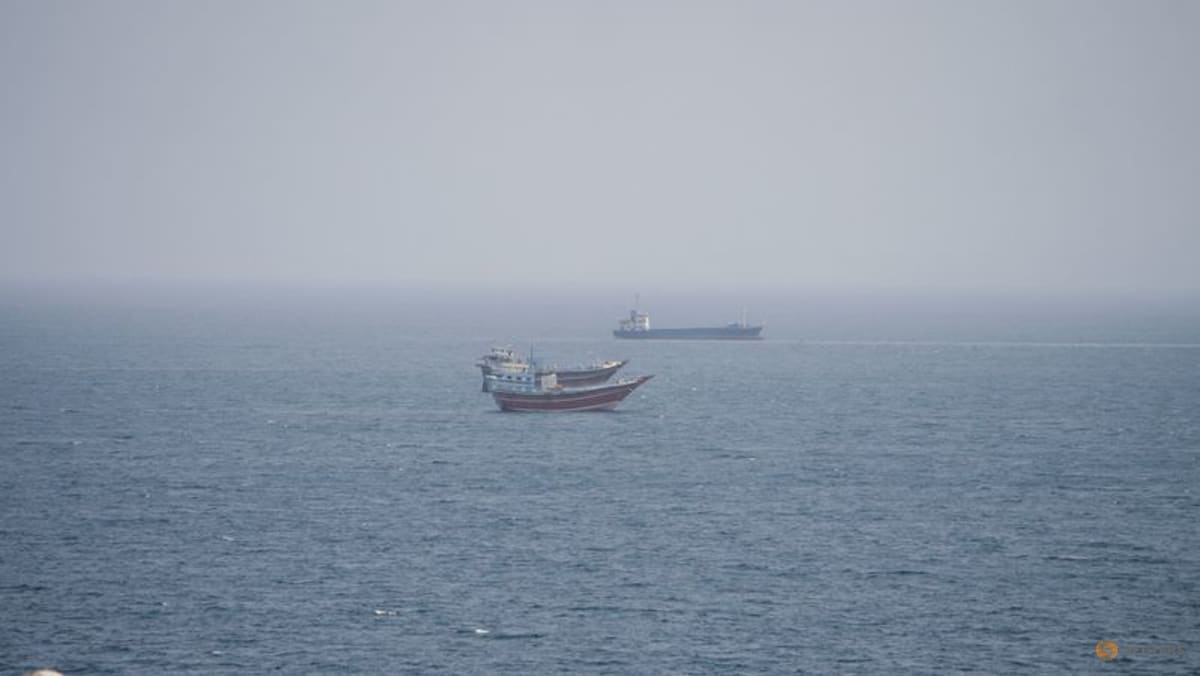
Four United States missiles struck an Iranian oil tanker near the anchorage of Kharg Island on Saturday, September 5, 2026, dealing a heavy blow to the nation's primary petroleum export terminal amid an intensifying regional maritime conflict. According to reports published by outlets including Cnbc, straitstimes.com, channelnewsasia.com, and sbs.com.au, the strike forced the vessel's crew to evacuate the area.
Local sources cited by correspondents for the semi-official Iranian news agency Tasnim reported no casualties resulting from the afternoon attack. Official Iranian authorities made no immediate public announcement regarding the incident, and United States Central Command did not immediately respond to requests for comment on the operation.
Related YouTube video
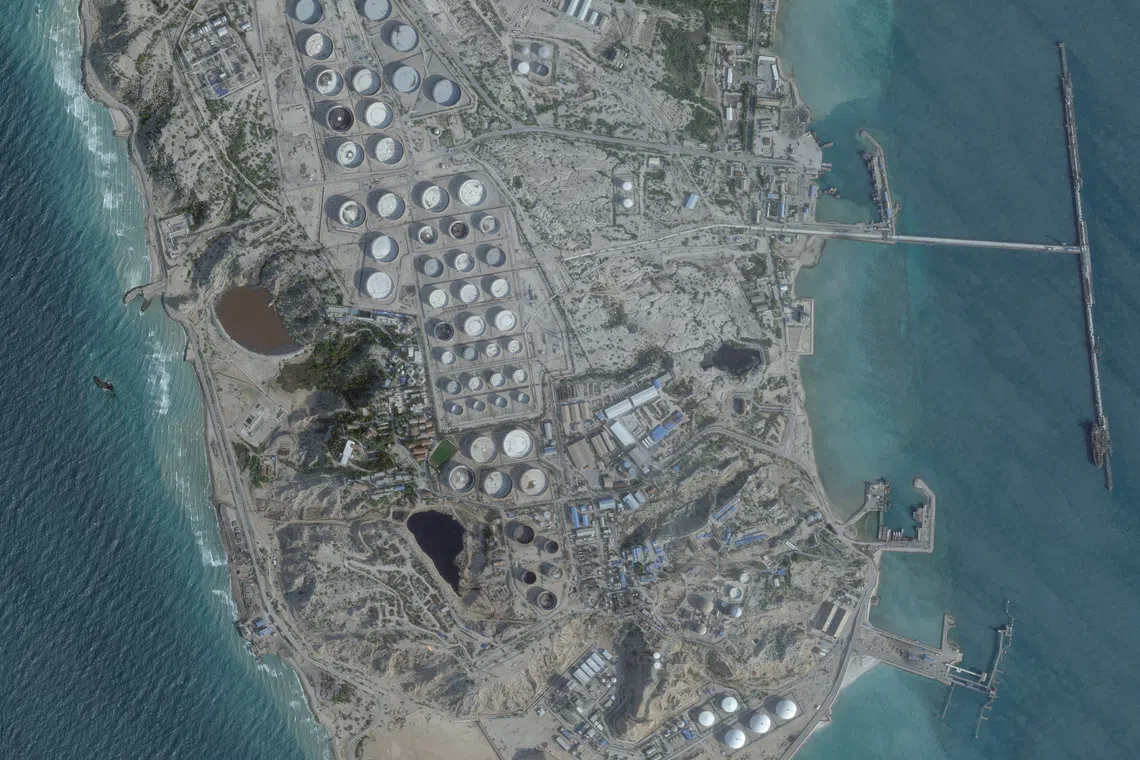

Strategic Weight of Kharg Island
The anchorage strike targets the literal heartbeat of the Iranian petroleum sector. Before the outbreak of hostilities, Iran functioned as the third-largest producer within the Organization of the Petroleum Exporting Countries, routing 90 per cent of its crude exports directly through Kharg Island, according to reporting from cnbc.com, straitstimes.com, channelnewsasia.com, and sbs.com.au. Sustained operations at the island are vital for the financial stability of the state, which has faced mounting economic pressure since maritime commerce through the region ground to a partial halt.
Export flows from the hub have remained severely disrupted since the implementation of a U.S. Naval blockade targeting Iranian ports. That enforcement action was initiated after Iran effectively shut down the Strait of Hormuz, a critical maritime corridor that historically carried one-fifth of the world's total oil supply.
Diplomatic Friction and Presidential Rhetoric
The reported strike follows weeks of volatile rhetoric and fragile diplomatic maneuvers between Washington and Tehran. U.S. President Donald Trump posted a social media message on August 31, 2026, accompanied by an artificial intelligence-generated video asserting that Kharg Island was being destroyed, prompting Iranian officials to vow a severe retaliatory response should the island be attacked, as noted by cnbc.com, Straitstimes, channelnewsasia.com, and sbs.com.au. Months prior, President Trump stated on June 11, 2026, that he wanted to take over Kharg Island, but then said a threatened U.S. Military operation there was off the table for now, days before Tehran and Washington signed an interim agreement aimed at ending the war on June 17, 2026.
| Event / Milestone | Date | Details |
|---|---|---|
| Strait of Hormuz Closure | Mid-War Period | Prompted the U.S. Naval blockade on Iranian ports after cutting off a major artery carrying one-fifth of global oil supplies. |
| Presidential Remarks on Kharg | June 11, 2026 | President Trump expressed a desire to take over Kharg Island before stating military operations were paused. |
| Interim Agreement | June 17, 2026 | Signed by Tehran and Washington in an effort to halt hostilities. |
| Social Media Post | August 31, 2026 | President Trump shared a post featuring an AI video claiming Kharg Island was being destroyed. |
| Tanker Anchorage Strike | September 5, 2026 | Tasnim reports four U.S. Missiles hit an Iranian tanker near Kharg Island, triggering crew evacuations. |
Attacking the island's infrastructure or surrounding shipping lanes threatens to dismantle whatever remains of regional stability, heaping additional strain on an Iranian economy already reeling from international isolation. Tehran's leadership has repeatedly insisted that resistance to external pressure must be balanced with internal economic reform, even as military pressures mount along the coast.
Broader Economic Repercussions and Official Responses
The escalation at Kharg Island drew broader assessments from Iranian leadership regarding the nation's vulnerability to external coercion. According to the semi-official Iranian news agency Tasnim, Iran’s first vice president, Mohammad Reza Aref, stated that the United States had resorted to economic warfare
after failing to achieve its goals militarily. Aref maintained that while sanctions and hostile actions carry a cost and slow momentum, Iran could counter economic pressure by leveraging valuable experiences from institutions such as the Headquarters for Countering Sanctions, pointing to a localized shift away from dollar-denominated foreign purchases.
Echoing warnings about internal resilience, Tehran mayor Alireza Zakani cautioned that the entire country could erode from within if it ignored domestic problems, as reported by Tasnim and Al Jazeera. Zakani asserted, Resistance does not mean that we should ignore internal problems,
adding that alongside standing against external adversaries, the state must reform itself from within and that Tehran should not determine its policy solely based on its relationship with the United States.
| Official / Authority | Institution | Position on Pressure |
|---|---|---|
| Mohammad Reza Aref | First Vice Presidency of Iran | Stated the U.S. Turned to economic warfare after military failure, arguing localization counters sanctions. |
| Alireza Zakani | Tehran Municipality | Warned the country could erode from within if internal problems are neglected alongside external resistance. |
| Gholam-Hossein Mohseni-Ejei | Iranian Judiciary | Urged BRICS members to condemn attacks on Iranian sovereignty and pursue legal action against alleged war crimes. |
International diplomatic arenas also saw Tehran pressing for formal accountability. Gholam-Hossein Mohseni-Ejei, Iran’s judiciary chief, urged fellow BRICS members to condemn attacks on Iranian sovereignty and pursue legal action against those responsible for carrying out alleged war crimes against the country, emphasizing that Iranians had paid a heavy price to secure national independence, according to Al Jazeera.
As diplomatic channels remain strained and operational clarifications are withheld by United States Central Command, the next step depends on whether official Iranian authorities break their silence or if Washington issues a formal assessment regarding the reported missile strikes.
Archypedia is dedicated to independent, evidence-backed reporting. This briefing was synthesized from primary source reporting, corroborated across independent newsrooms, and verified against our Editorial Standards.
Transparency record
Evidence behind this report
This report synthesizes 5 distinct sources. Open the source ledger below to compare the underlying coverage.
Prepared under the Archypedia Editorial Policy by the Samir Haddad editorial desk profile. AI-assisted tools may support drafting and verification; public accountability remains with Archypedia. Report an error.


