US launches strikes against Iran
US launches strikes against Iran
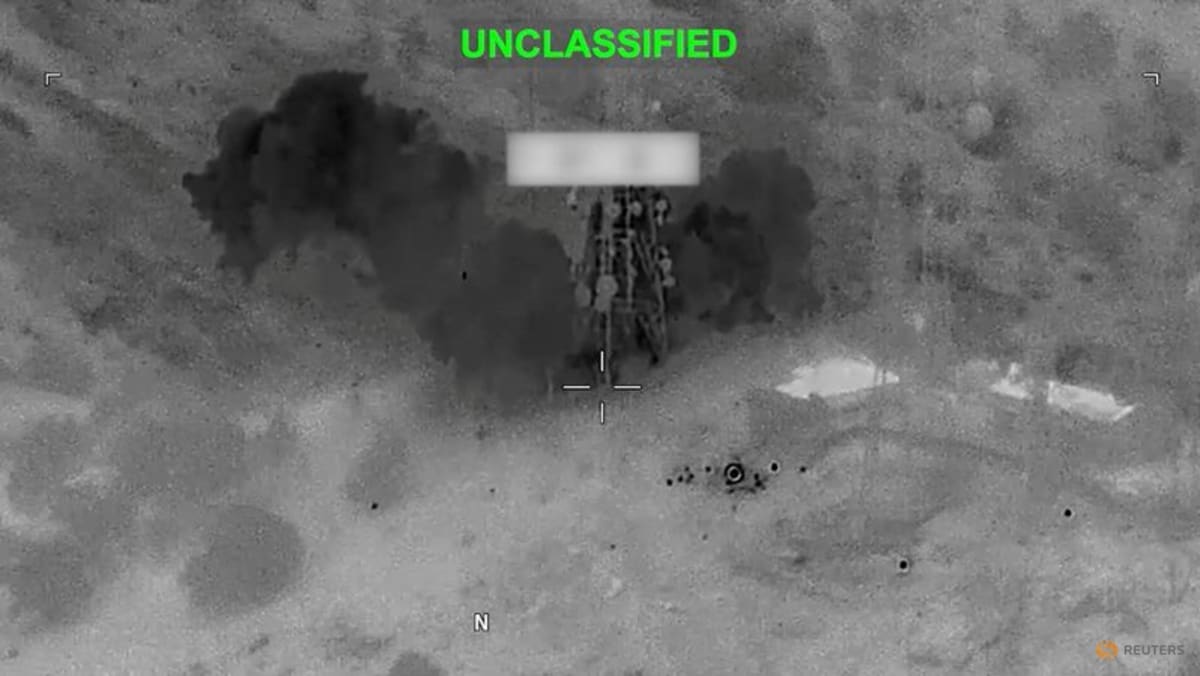
The United States has launched strikes against Iran for the seventh consecutive night, as the conflict between the two countries continues to escalate. According to AP News, the US Central Command said the strikes targeted "surveillance sites, military logistics infrastructure, underground weapons storage, and maritime capabilities."
The latest round of strikes comes after Iran launched renewed attacks on US Gulf allies, including Bahrain, Qatar, Kuwait, and Jordan, as reported by Channel NewsAsia. The attacks have raised concerns about the security of the region and the potential for further escalation.
Related media
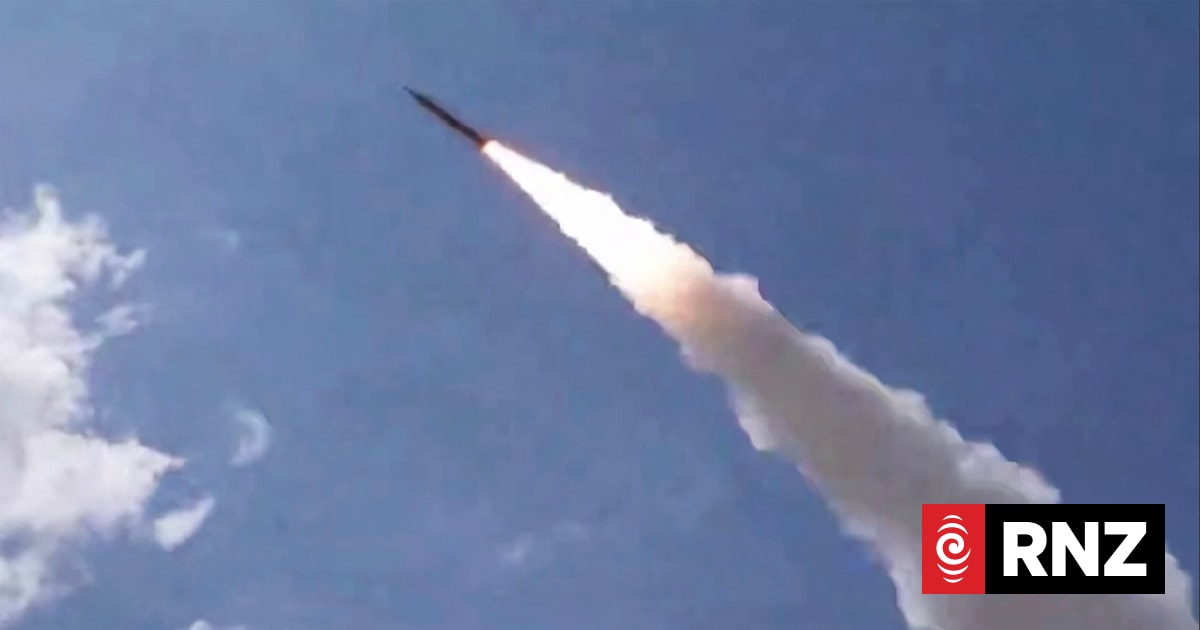

Iran has accused the US of targeting civilian infrastructure, including bridges and transport hubs, which the US has denied. The Rnz reported that the US military's Central Command said its targets included "military logistics infrastructure", the first time it mentioned infrastructure in more than a week.
The conflict has also affected the global oil market, with prices climbing more than 4% on Friday to their highest level in more than a month, as reported by Channel NewsAsia. The US has reimposed its blockade of Iran's ports, and attacks on ships in the Strait of Hormuz have continued.
According to Al Jazeera, the US State Department has urged Americans to reconsider travel to and through the Middle East as regional tensions continue to rise. The department said the security environment remained "complex with the potential for unforeseen escalation", advising citizens to review their travel plans, monitor developments closely, and check with airlines before flying.
Yahoo News reported that Iranian attacks on at least two military bases in Jordan this week reportedly injured several US service members. The extent of the injuries is unclear, as is when they occurred, though both the US and Jordan have reported no fatalities.
The US military's Central Command said its targets included "surveillance sites, military logistics infrastructure, underground weapons storage, and maritime capabilities". Iran claimed to have responded by targeting US allies in the region, including Kuwait, whose army said its air defences had been "confronting hostile missile and drone attacks" following "Iranian aggression", as reported by BBC News.
Jordan's armed forces also said it intercepted 10 Iranian missiles fired into its airspace overnight, though no damage was reported. The CBS News reported that the US military destroyed an Iranian port surveillance tower in a Thursday strike, saying it had been used by Iran's paramilitary Revolutionary Guard for years.
The conflict between the US and Iran has been escalating since the ceasefire agreement collapsed last week, raising the prospect of a return to all-out war. The US has been conducting strikes on Iranian military sites, including logistics infrastructure, while Iran has been retaliating with attacks on US allies in the region.
According to Yahoo News, Iran's energy ministry urged citizens to reduce their electricity use and switch off air conditioners in peak hours -- even as temperatures in some areas soared -- after the power grid came under strain from what it said were US strikes on energy facilities.
The CBS News reported that the number of ships transiting the Strait of Hormuz dropped to their lowest level in three weeks as violence between the US and Iran ramped up again. Only eight ships passed through the strait on Thursday, according to data from maritime tracking firm Kpler.
UN chief Antonio Guterres said Friday that attacks on civilian infrastructure are "unacceptable", after Iran accused the United States of targeting bridges and transport hubs. The US has not confirmed Iran's allegations, though President Trump has threatened to target them.
The conflict between the US and Iran is likely to continue, with both sides showing no signs of backing down. The US has reimposed its blockade of Iran's ports, and attacks on ships in the Strait of Hormuz have continued. The global oil market has been affected, with prices climbing to their highest level in more than a month.
As the conflict escalates, there are concerns about the potential for further escalation and the impact on the region and the global economy. The US and Iran have been testing the limits of escalation since their ceasefire agreement collapsed last week, raising the prospect of a return to all-out war.
The situation remains volatile, with both sides exchanging blows and accusing each other of aggression. The international community is watching the situation closely, with many calling for a return to diplomacy and a peaceful resolution to the conflict.
The US and Iran have a long and complex history, with tensions between the two countries dating back decades. The current conflict is the latest escalation in a series of incidents and attacks that have been ongoing for months.
As the situation continues to unfold, it remains to be seen how the conflict will be resolved. The US and Iran have shown no signs of backing down, and the international community is bracing for the possibility of further escalation. The impact on the region and the global economy could be significant, and the situation will be closely watched in the coming days and weeks.
Archypedia is dedicated to independent, evidence-backed reporting. This briefing was synthesized from primary source reporting, corroborated across independent newsrooms, and verified against our Editorial Standards.
Transparency record
Evidence behind this report
This report synthesizes 12 distinct sources. Open the source ledger below to compare the underlying coverage.
- apnews.com
- channelnewsasia.com
- rnz.co.nz
- malaysia.news.yahoo.com
- aljazeera.com
- bbc.com
- yahoo.com
- cbsnews.com
- theguardian.com
- thehindubusinessline.com
- wpde.com
- cnbctv18.com
Prepared under the Archypedia Editorial Policy by the Samir Haddad editorial desk profile. AI-assisted tools may support drafting and verification; public accountability remains with Archypedia. Report an error.