US judge dismisses bribery and fraud charges against billionaire Gautam Adani
U.S. District Judge Nicholas Garaufis formally dismissed criminal charges against Indian billionaire Gautam Adani while rebuking senior Justice Department officials for their handling of the reversal.
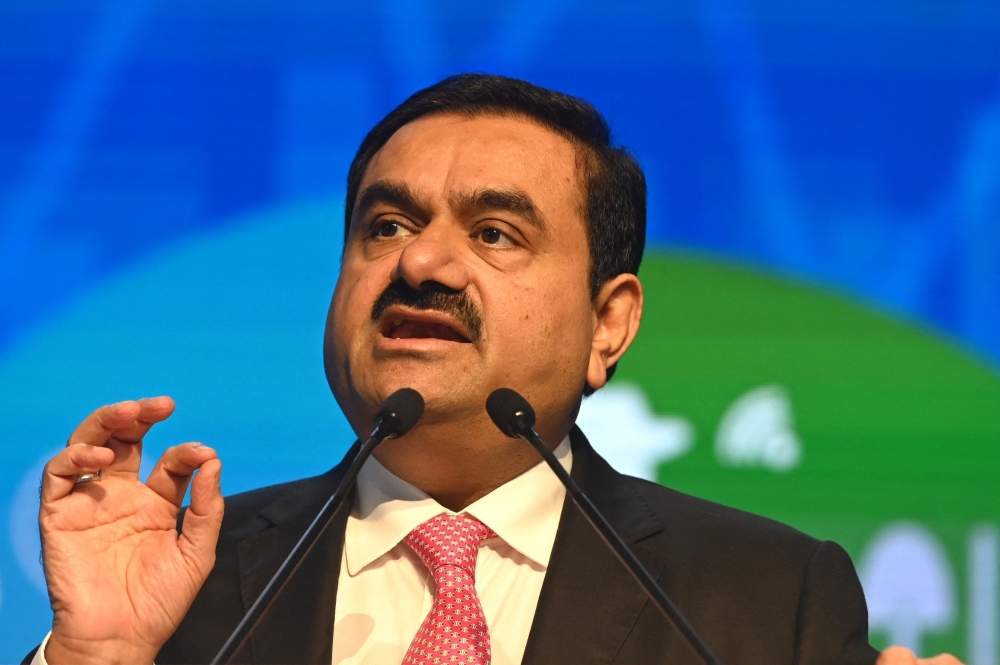
A Brooklyn federal judge formally rubber-stamped the dismissal of criminal bribery and fraud charges against Indian billionaire Gautam Adani on Monday, Aug. 10, 2026, bringing a close to a high-profile prosecution launched in the final weeks of the administration of President Joe Biden. In granting the Justice Department's rare bid to drop the case, U.S. District Judge Nicholas Garaufis delivered a sharp rebuke of the maneuvering that engineered the reversal, taking direct aim at senior officials for bypassing career investigators and collaborating closely with the defense.
The decision dismantles the core criminal indictment unsealed in November 2024 by a New York federal grand jury, which had accused Adani, his nephew Sagar Adani, and Adani Green Energy director Vneet Jaain of orchestrating a $265 million bribery scheme targeting Indian government officials to secure lucrative solar energy contracts, alongside misleading U.S. And international investors. While the criminal case was dismissed with prejudice—meaning the prosecution cannot be revived—the broader legal fallout involves civil penalties, regulatory consent judgments, and unresolved proceedings against remaining co-defendants, according to the Business Standard.
Related YouTube video

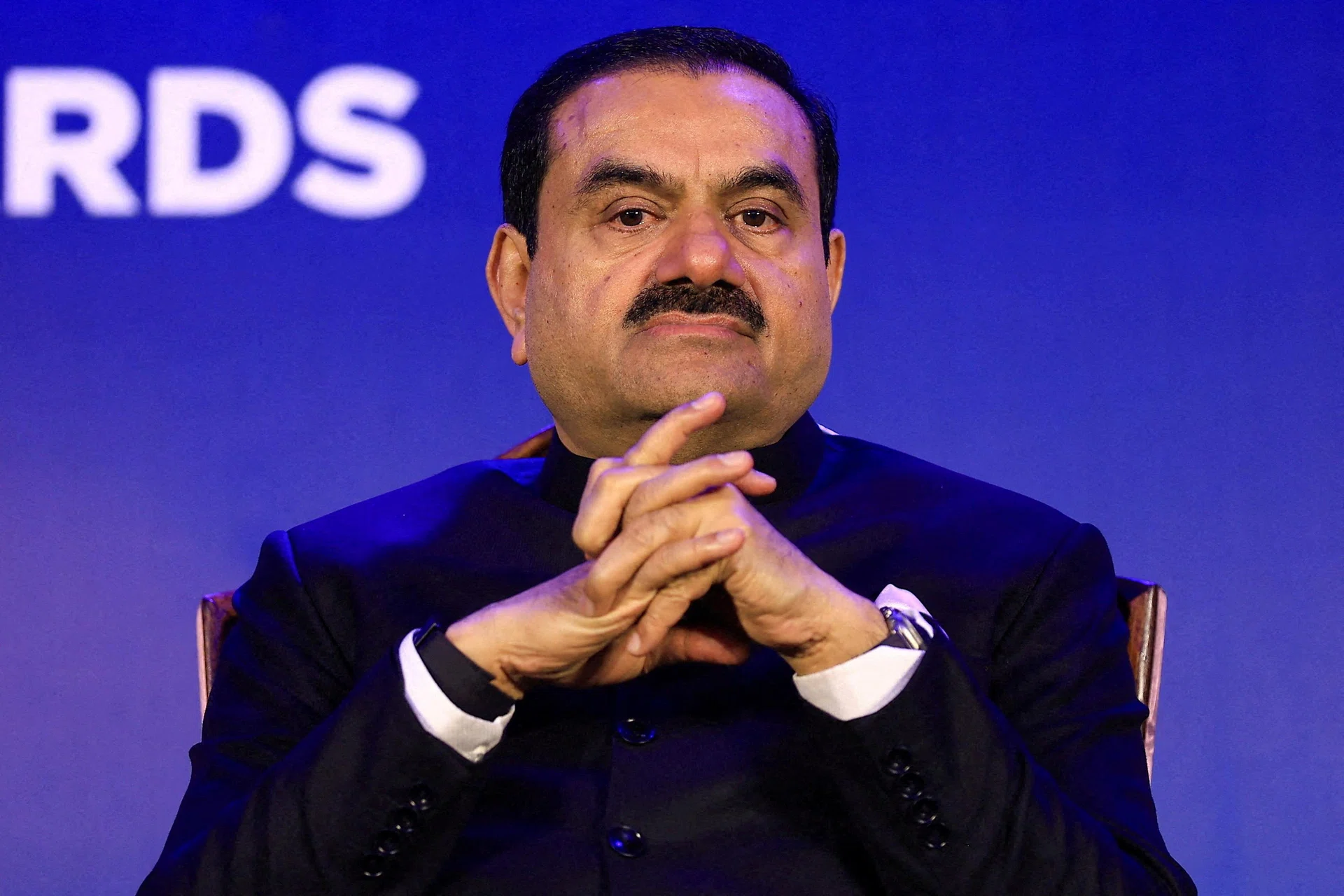
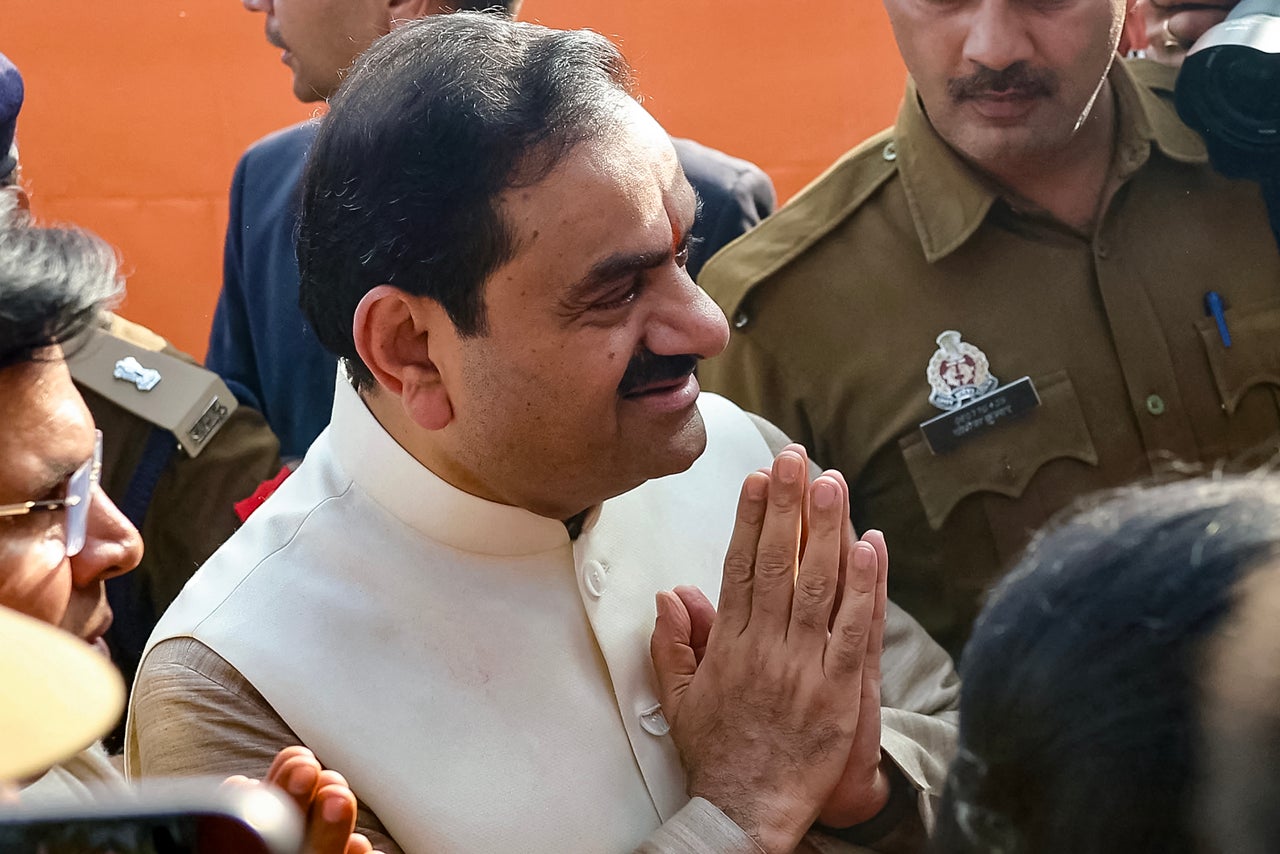
The collapse of the criminal case traces back to a policy shift following Donald Trump's return to the White House. On May 18, 2026, the Justice Department asked the court to dismiss the indictment because the case was primarily foreign, difficult to prove, and inconsistent with current agency priorities, according to filings reported by AOL. Senior Justice Department officials also argued that the original indictment amounted to a politically motivated name-and-shame exercise orchestrated by the outgoing administration.
That rationale triggered intense judicial skepticism. In a series of orders, Judge Garaufis demanded further justifications, specifically challenging the assertion by Principal Associate Deputy Attorney General Trent McCotter that no financial loss had occurred and criticizing the department's claims of political bias. The judge noted that McCotter had provided not "a scintilla of evidence" to support the claim that the Biden administration had improperly dumped the case, writing that such "baseless assertion is unbecoming of his office," as detailed by The Business Times.
Furthermore, the court scrutinized whether a heavily publicized $10 billion investment pledge dangled by Adani played a role in the executive branch's about-face. Media reports and court declarations revealed that Adani's defense attorney, Robert Giuffra, who also serves as Donald Trump's personal lawyer, had raised the multi-billion-dollar U.S. Investment offer during settlement discussions with Justice Department officials in April 2026. While both the government and Adani formally denied that the pledge factored into the dismissal, and the U.S. Attorney's Office explicitly rejected the proposal during talks, Judge Garaufis expressed deep unease over the procedural optics, noting that McCotter's actions appeared highly unusual.
"The fact that McCotter came to this decision largely in collaboration with defence counsel, and seemingly without input from the FBI and SEC agents who investigated the alleged misconduct, or (prosecutors) who brought the case, appears to be highly unusual,"
Nicholas Garaufis, U.S. District Judge, via Malay Mail
Adani, a prominent ally of Indian Prime Minister Narendra Modi who hails from the leader's home state of Gujarat, welcomed the outcome from afar. Throughout the proceedings, the billionaire industrialist did not appear in U.S. Court, instead taking to social media to state that his faith in truth, fairness, and the rule of law remained unwavering. The broader Adani Group, which spans ports, power plants, and media houses, has consistently denied all allegations of wrongdoing, weathering years of market turbulence that included a massive stock crash following earlier short-seller reports.
While the criminal prosecution is finished, the resolution of the affair spans separate legal arenas. The U.S. Securities and Exchange Commission civil case against the Adanis was resolved on Aug. 10, 2026, through final consent judgments requiring Gautam Adani to pay a $6 million civil penalty and Sagar Adani to pay $12 million, without admitting to the underlying complaint. Flagship entity Adani Enterprises agreed to pay $275 million to the U.S. Treasury Department’s Office of Foreign Assets Control to settle separate allegations concerning Iran sanctions violations, as noted by The Guardian.
Legal Resolution At a Glance
- Criminal Indictment: Dismissed with prejudice on Aug. 10, 2026, by Judge Nicholas Garaufis after a May request by the Justice Department.
- SEC Civil Penalties: Resolved via consent judgments requiring Gautam Adani to pay $6 million and Sagar Adani $12 million without admitting wrongdoing.
- Sanctions Settlement: Adani Enterprises agreed to pay $275 million to the U.S. Treasury Department's Office of Foreign Assets Control regarding Iran sanctions allegations.
Despite dropping the primary charges against the principal architects, Judge Garaufis left the door open on several fronts by refusing to immediately dismiss anti-bribery and obstruction of justice violations against five non-appearing co-defendants, demanding that the Justice Department provide further explanations before those specific counts can be resolved.
How significant is this development?
Contribute your assessment to the aggregated reader intelligence ledger.
Archypedia is dedicated to independent, evidence-backed reporting. This briefing was synthesized from primary source reporting, corroborated across independent newsrooms, and verified against our Editorial Standards.
Transparency record
Evidence behind this report
This report synthesizes 5 distinct sources. Open the source ledger below to compare the underlying coverage.
Prepared under the Archypedia Editorial Policy by the Samir Haddad editorial desk profile. AI-assisted tools may support drafting and verification; public accountability remains with Archypedia. Report an error.