Ukrainian drone strike on Nizhnekamsk oil refinery kills at least 13
The attack on the petrochemical hub in Tatarstan hit industrial sites and a residential hostel, marking one of the deadliest operations inside Russia to date.
High-tech drones developed in Ukraine travelled more than 1,100 kilometres to reach the industrial city of Nizhnekamsk, but the resulting carnage unfolded in the low-tech environment of a Soviet-era residential hostel. At least 13 people were killed, including a child, in a strike that Russian officials describe as a massacre of civilians and the Ukrainian military identifies as a strategic hit on energy infrastructure.
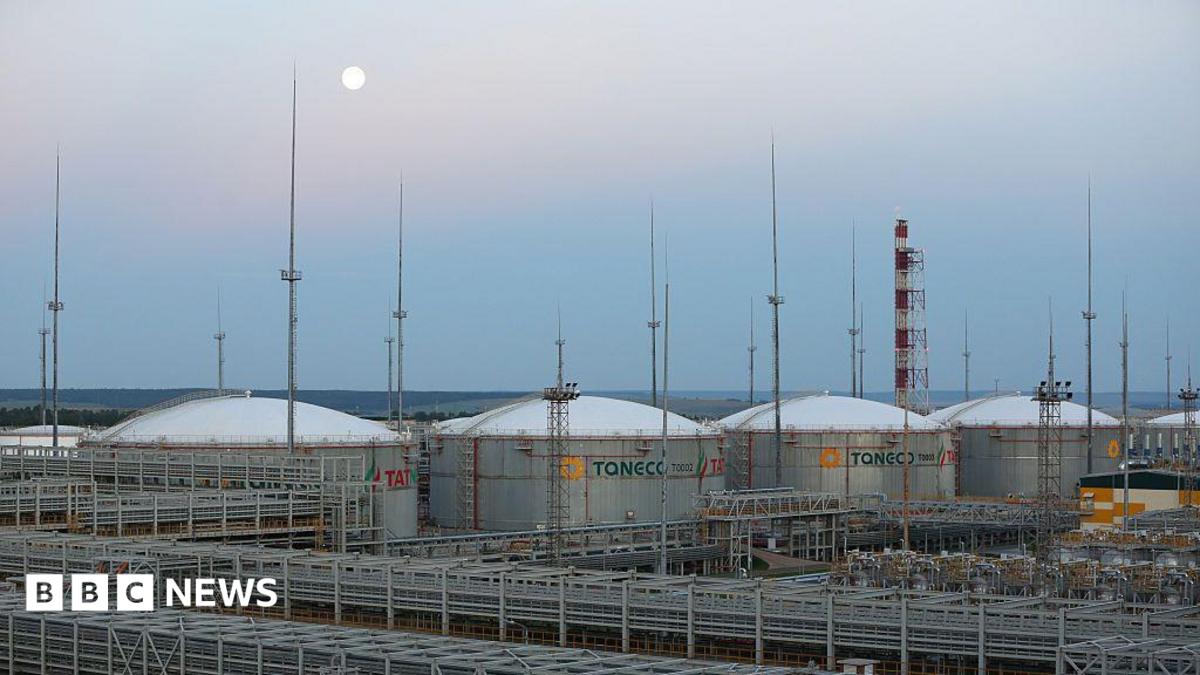
The attack, which occurred overnight into Monday, 10 August 2026, is among the deadliest single operations launched by Kyiv inside Russian territory since the full-scale invasion began in 2022. While Ukraine's Armed Forces confirmed they targeted the Taneco oil refinery, Russian investigators claim the drones struck both industrial and residential sites. Rustam Minnikhanov, the head of the republic of Tatarstan, reported that a drone hit a hostel, killing nine people.
Related YouTube video
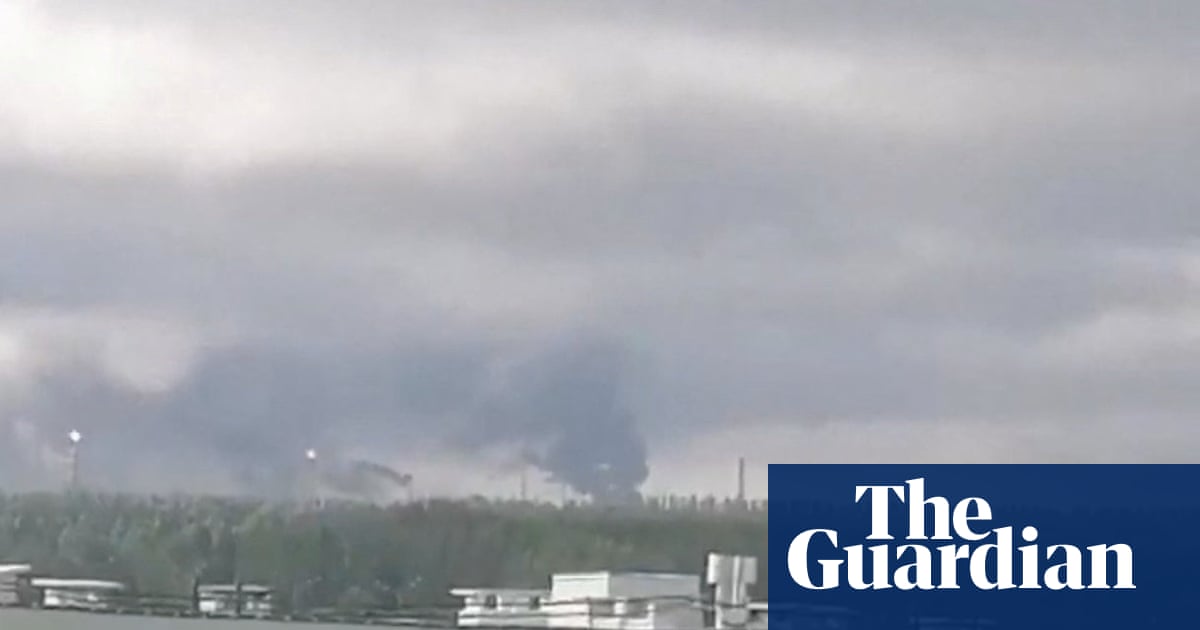
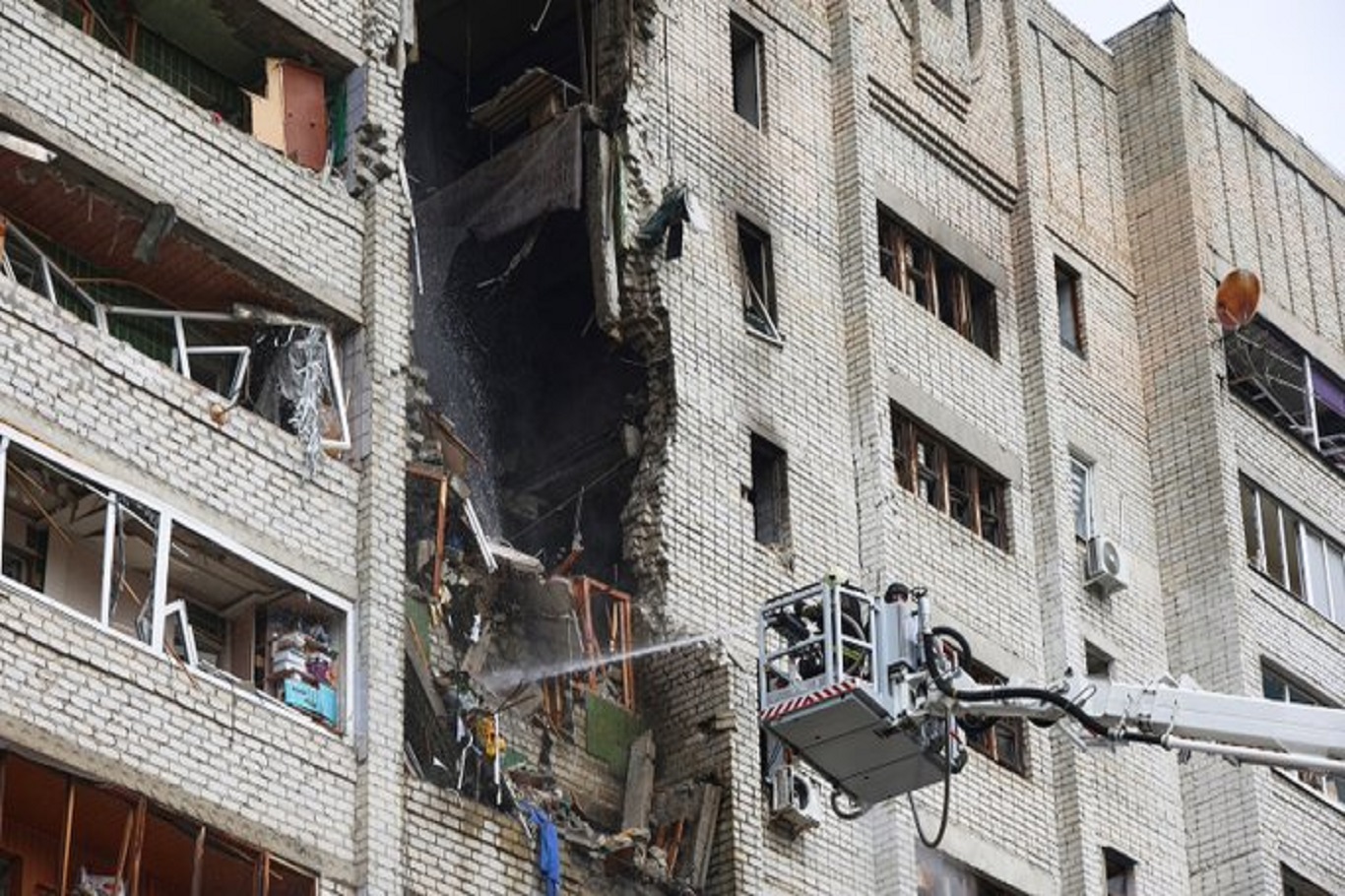
The human cost includes foreign nationals; the Uzbek consulate in Tatarstan confirmed that seven of the deceased were citizens of Uzbekistan. Other reports indicate citizens of Tajikistan were also among the dead. Discrepancies remain regarding the number of wounded, with Tatarstan authorities reporting 75 injuries, while other officials cited by Reuters and CNN put the number at 39.
The strike targeted the Taneco refinery, a strategically critical petrochemical hub owned by the firm Tatneft. The facility is one of Russia's largest and most technologically advanced refineries, processing approximately 17 million tonnes of crude oil in 2024. It also houses a plant for rubber and petrochemical products. This is not the first time the site has been targeted, as Ukrainian forces hit the refinery previously on 12 June.
The operation highlights a shift in Kyiv's strategy toward what President Volodymyr Zelenskyy calls long-range sanctions
. Rather than focusing solely on frontline military assets, Ukraine is increasingly targeting the economic engine of the Russian war effort. This campaign has expanded to include fuel facilities, oil tankers in the Black and Azov seas, and warehouses belonging to Wildberries, the Russian equivalent of Amazon, where attacks recently killed at least eight people in a single day.
Ukraine’s ability to penetrate deep into the Russian interior—reaching as far as Siberia, 2,500km from the frontline—relies on domestically developed technology. The defence technology company FirePoint stated its FP-1 drones were used in the Nizhnekamsk operation. Ukraine’s General Staff claims it is destroying Russian air defence systems faster than they can be replaced, effectively creating air corridors
or doors
that allow these drones to bypass defenses.
The narrative surrounding the casualties differs sharply between the two capitals:
- Russia: The Investigative Committee has launched a criminal case into alleged
terrorism
, asserting thatcivilian individuals who were not involved in any military operations were present
at the strike site. - Ukraine: Andriy Kovalenko, head of the Centre for Countering Disinformation, stated that targeted facilities are used to manufacture weapons and support the war. He added that
every civilian death in Russia is on [President Vladimir] Putin
.
The Bbc noted it has not independently verified the Russian claims regarding the specific presence of civilians at the strike site.
This escalation comes as both nations intensify aerial attrition. While Moscow reports shooting down more than 450 drones overnight across its territory, it continues to launch large-scale strikes on Ukrainian cities. A combined drone and missile strike on Kyiv last week killed 21 people, while a recent Russian artillery strike in Bugaivka, near Kharkiv, killed five people.
For Kyiv, the objective is to strangle the Russian economy to the point where Moscow can no longer fund the invasion. Zelenskyy described the remote bombing campaign as entirely justified
, stating that the war must be felt more and more at their own home
.
The Russian government has responded by declaring a period of mourning in Tatarstan and promising that those involved in the attacks will face inevitable and severe punishment
.
Logistics of a Long-Range Campaign
The operation against Nizhnekamsk was not a brief incursion but a sustained assault that lasted several hours overnight and into the morning of 10 August 2026, according to local sources. The scale of the aerial offensive was vast; the Russian defence ministry reported that 456 Ukrainian drones were intercepted across Russian territory and annexed Crimea during the same period. While the Taneco refinery was the primary target, the reach of the drones extended further, with the governor of the Tyumen region in western Siberia reporting that several falling drones ignited fires at an industrial facility.
The strike on Nizhnekamsk represents a deepening of a pattern of attrition. The city, which has a population of approximately 240,000, has been targeted repeatedly in recent months. The current raid follows a previous strike on the same refinery on 12 June.
Beyond the petrochemical sector, Ukraine has expanded its target list to include equipment depots and repair units in the occupied Donetsk and Luhansk regions. Military sources cited by Telegram channels indicate that Kyiv also targeted high-value assets in Russia's western Bryansk and Kursk regions. These sites were reportedly used to launch hypersonic Zircon and Iskander missiles toward Kyiv, according to those sources.
How significant is this development?
Contribute your assessment to the aggregated reader intelligence ledger.
Archypedia is dedicated to independent, evidence-backed reporting. This briefing was synthesized from primary source reporting, corroborated across independent newsrooms, and verified against our Editorial Standards.
Transparency record
Evidence behind this report
This report synthesizes 8 distinct sources. Open the source ledger below to compare the underlying coverage.
Prepared under the Archypedia Editorial Policy by the Samir Haddad editorial desk profile. AI-assisted tools may support drafting and verification; public accountability remains with Archypedia. Report an error.