Trump says deal reached to disarm Hamas, Israeli support for plan remains uncertain
While the White House claims a breakthrough on dismantling Hamas's military infrastructure, the group insists it will not disarm until Israeli forces withdraw.

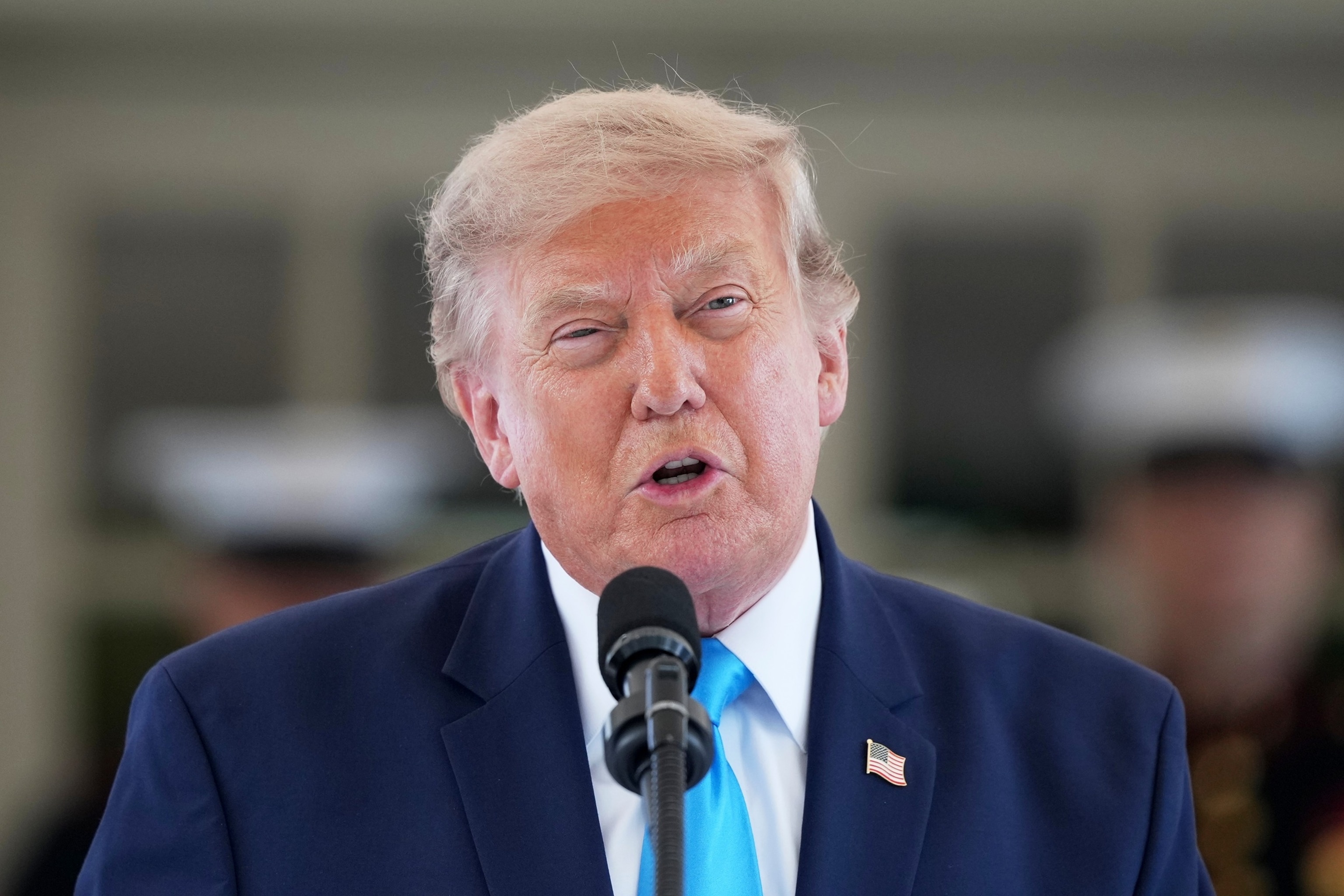
President Donald Trump announced Thursday that a "HISTORIC agreement" has been reached for the "COMPLETE DISARMAMENT of Hamas" and other armed groups in Gaza. The development, shared via social media, is presented as a monumental step toward lasting security and a critical precursor to Gaza being governed by a new Palestinian government.
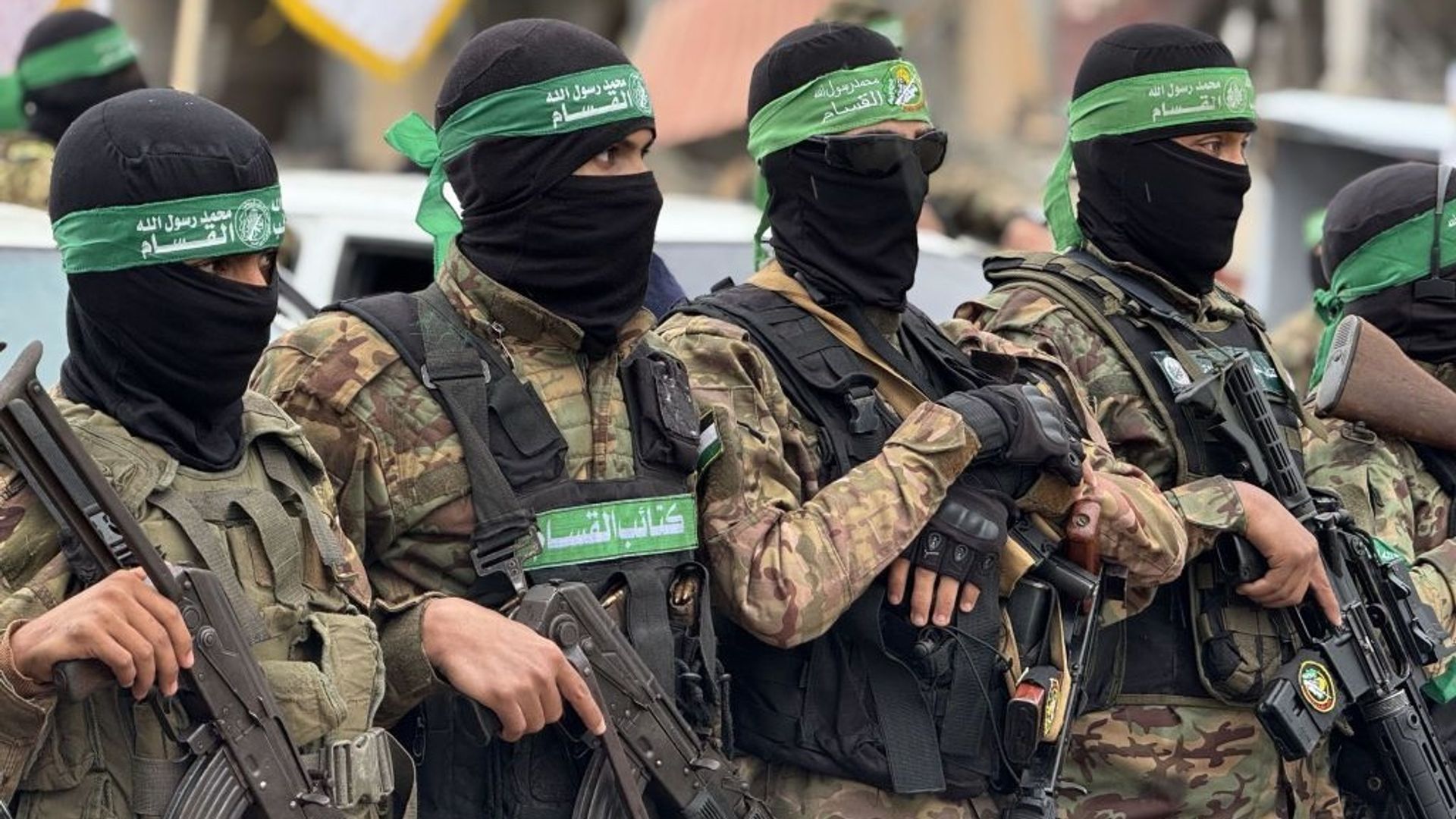
The announcement immediately collided with a contradictory stance from Hamas. Ghazi Hamad, a member of the Hamas negotiating team, told Al Jazeera and the Bbc that while the group has agreed to a roadmap, it will not take any action regarding disarmament before the withdrawal of Israeli forces from the Strip.
Related YouTube video
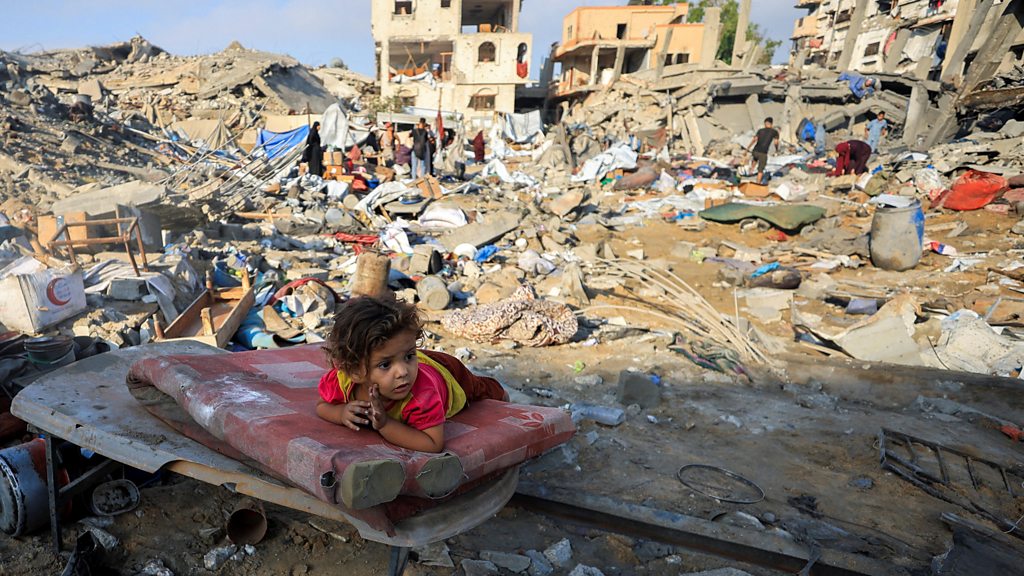
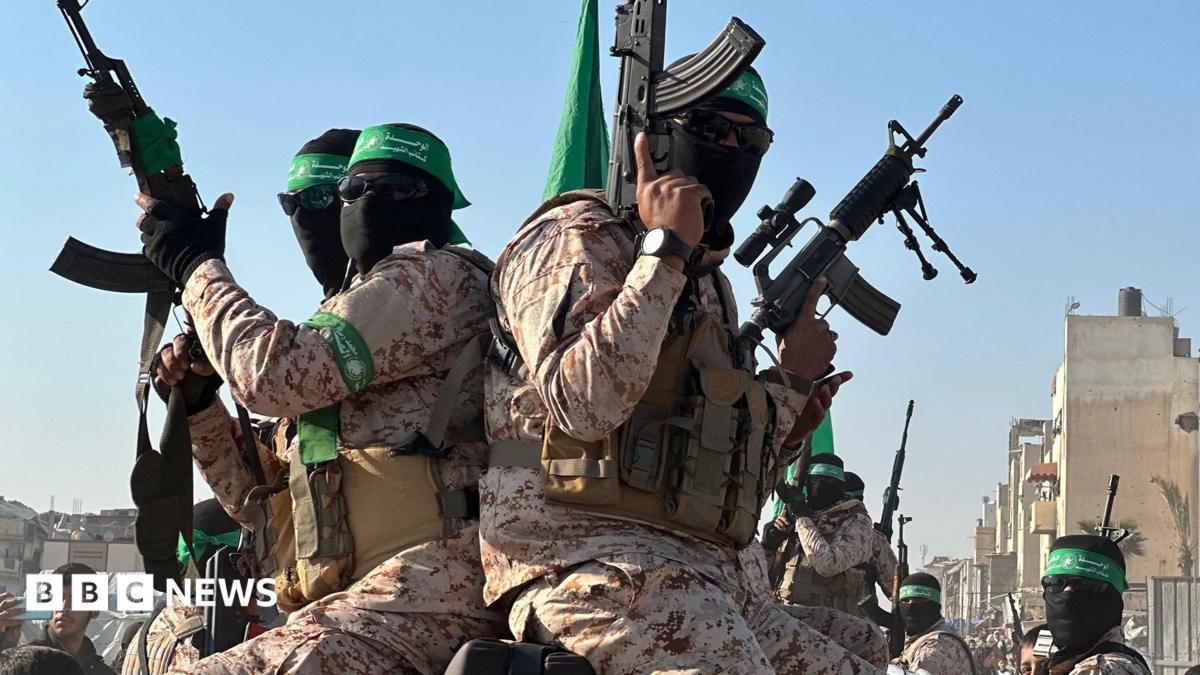
This "zero trust" deadlock sits at the center of a phased plan where neither side moves to the next stage until the previous commitment is independently verified. The stakes are acute for the nearly two million Palestinians in Gaza, 90 percent of whom are displaced and living in tents, while Israeli airstrikes continued Thursday, killing at least eight Palestinians, including children, according to medical officials.
The Disarmament Mechanism
The agreement is not a simple surrender of rifles but a complex decommissioning of what US officials describe as a state-like military infrastructure. The "roadmap"—a four-page document obtained by the BBC—distinguishes between different classes of weaponry and timelines:
- Immediate Phase: Gaza's police force is expected to turn over weapons to a technocratic, Board of Peace-backed administration within two weeks.
- Long-term Phase: The surrender of heavy weapons and the destruction of tunnels, arms stockpiles, and production facilities is estimated by a Board of Peace official to take between 200 and 350 days.
A fundamental dispute exists over the definition of "disarmament." While Trump frames it as complete, a Hamas source told Reuters that the draft stipulates heavy weapons would be "stored" and kept under the control of a Palestinian administration rather than transferred to Israel. Hamas officials emphasized that the wording "inventorying and storing weapons" was a key point of insistence during "long and extremely difficult" talks.
The Board of Peace and Stabilization
The process is overseen by the Board of Peace, an international body established by Trump to supervise Gaza's temporary governance and reconstruction. The board, chaired by Trump, includes an envoy for Gaza, Nickolay Mladenov. To ensure security during the transition, the plan calls for the deployment of an International Stabilization Force to work alongside a new Palestinian police force.
The National Committee for the Administration of Gaza (NCAG) has stated it is prepared to assume governing responsibility, welcoming the roadmap. German Foreign Minister Johann Wadephul also backed the deployment of the International Stabilization Force, stating that Hamas must never again pose a threat to Israel
.
Strategic Deadlocks and External Pressures
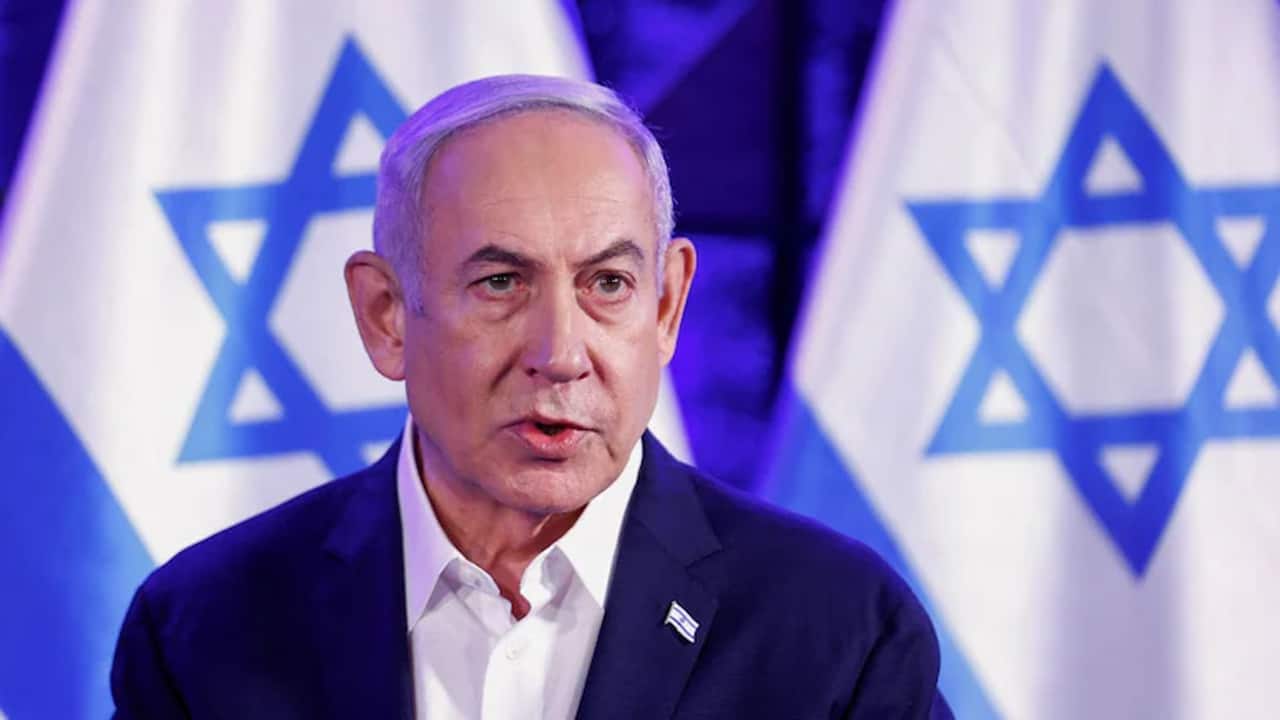
Despite the White House's confidence, the agreement faces a steep climb in Israel. An Israeli official told Reuters before Trump's announcement that Israel had rejected the proposal, demanding complete demilitarization of the Strip as a precondition for any process. Prime Minister Benjamin Netanyahu has previously stated his intention for Israel to control 70 percent of the enclave; the military currently controls more than half.
The fragility of the deal is further complicated by the wider US-Iran conflict. While Iran has historically sponsored Hamas, a US official noted that Tehran is currently "preoccupied" with its own conflict with the United States, limiting its ability to offer the group significant support. This external pressure may have influenced the decision of new Hamas leader Khalil al-Hayya to accept the framework, driven by the devastating humanitarian conditions in the enclave.
The risk of collapse is high; since the October truce began, more than 1,200 Palestinians and four Israeli soldiers have been killed. US officials noted that Trump would be "very, very disappointed" if Israel does not adhere to the withdrawal terms, though they maintain Israel remains a "good partner."
The viability of the roadmap now rests on whether Prime Minister Netanyahu, facing pressure from far-right coalition partners who oppose a permanent withdrawal, will formally accept the terms that require Israeli forces to leave Gaza as disarmament is completed.
Implementation Timeline and Hurdles
The proposed transition from militant rule to civilian administration is defined by starkly different timeframes. While a Board of Peace official estimated the decommissioning of tunnels, arms stockpiles, and production facilities would take between 200 and 350 days, a U.S. Official played down this duration. A more immediate trigger is set for the Gaza police force, which is expected to turn over weapons to the technocratic administration within the next two weeks. However, officials noted that this initial hand-over does not include the majority of Hamas militants or their heavy weaponry.
The agreement is part of a broader 20-point peace plan unveiled by Trump in October, which also includes the return of Israeli hostages from the October 7, 2023 attacks. The current roadmap focuses on the "second phase" of that plan, specifically targeting disarmament and reconstruction. The Times of Israel reported that the deal had been signed between negotiators from Hamas, the board, and mediating countries, though this contradicts statements from Israeli officials who maintain the proposal remains unsatisfactory.
The mechanism is described by a U.S. Official as a conditions-based deal
rather than a trust-based one. This structure is designed to prevent a repeat of the October truce, which US officials said initially brought home hostages and increased aid but later collapsed into renewed bombing and mutual accusations of violations.
The next step depends on whether Israel accepts the framework and begins the withdrawal of its forces, a move Ghazi Hamad told Al Jazeera is the mandatory precondition before Hamas takes any action toward disarmament.
Archypedia is dedicated to independent, evidence-backed reporting. This briefing was synthesized from primary source reporting, corroborated across independent newsrooms, and verified against our Editorial Standards.
Transparency record
Evidence behind this report
This report synthesizes 8 distinct sources. Open the source ledger below to compare the underlying coverage.
- bbc.com
- detroitnews.com
- bbc.co.uk
- apnews.com
- middleeasteye.net
- cnbctv18.com
- inews.co.uk
- outlookindia.com
Prepared under the Archypedia Editorial Policy by the Samir Haddad editorial desk profile. AI-assisted tools may support drafting and verification; public accountability remains with Archypedia. Report an error.