Nỗi sợ hạt nhân đang bị quên lãng!
The erosion of strategic restraint is evident in China's unannounced ICBM tests in the Pacific and fragile high-level diplomacy between the US and Russia.
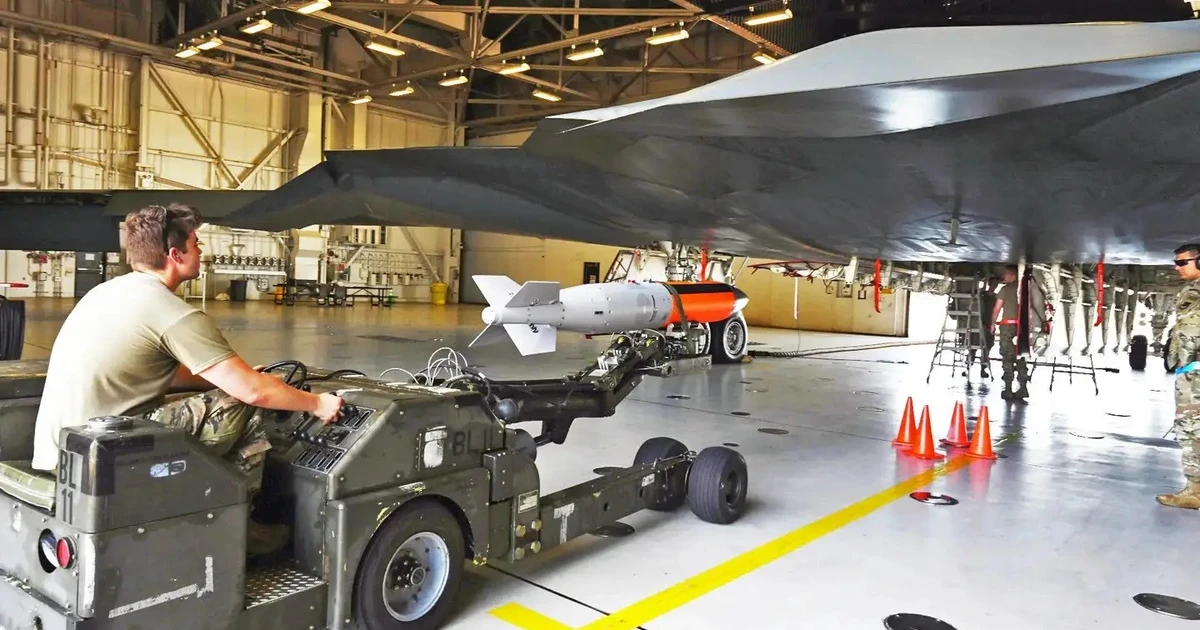
As traditional deterrence mechanisms erode and strategic restraint frays across major capitals, political elites are steadily losing their fear of catastrophic escalation. According to analyses reported by Giaoducthoidai, this systemic decay stems from a growing conviction among political leaders that nuclear war is no longer a genuine operational probability, directly undermining the mutual fear that historically stabilized international friction.
This shift suggests that nuclear weapons may no longer serve as a psychological or political barrier, but could instead become just another means of warfare. The risk is compounded by a global security environment where digital borders are blurring and drones easily bypass national divisions, making it increasingly difficult for states to control territories they cannot afford to lose.
Related YouTube video

Diplomatic Friction and Unannounced Missile Tests in the Pacific
The breakdown of strategic restraint has manifested sharply in the Indo-Pacific. As detailed by Baomoi, leaders from 18 member states and territories met in Palau for the Pacific Islands Forum to discuss regional security and climate change, but failed to agree on a joint declaration regarding Chinese military activity.
The tension centers on a July event where the Chinese Navy used a nuclear-powered submarine to test-fire an intercontinental ballistic missile with a simulated warhead, which landed in international waters in the western Pacific. Palau President Surangel Whipps Jr. Expressed dissatisfaction, noting that Pacific island nations received late notice or no notification at all and demanded greater transparency.
However, the forum remained divided. According to Baomoi, Naoero opposed the joint criticism. Naoero had restored diplomatic ties with Beijing in 2024 after ending relations with Taiwan, subsequently receiving Chinese commitments for climate change support and infrastructure development.
High-Level Backchannels and a Fragile Ceasefire in Ukraine
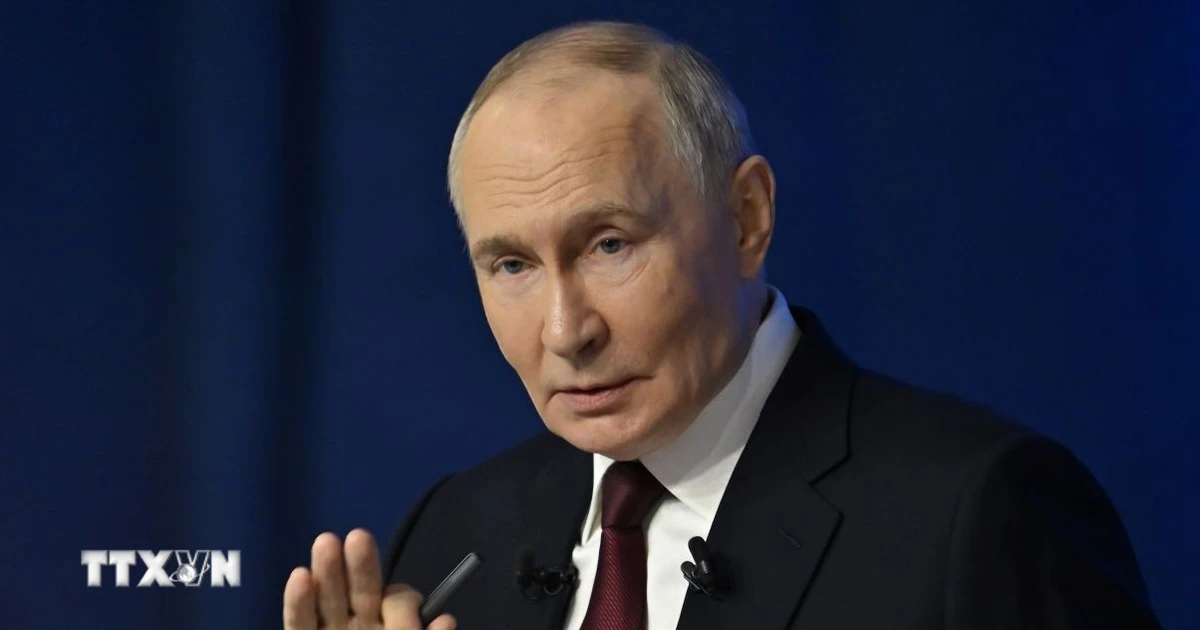
In Eastern Europe, Washington and Moscow have engaged in direct diplomacy to address the conflict in Ukraine. On Friday, September 5, 2026, US special envoys Steve Witkoff and Jared Kushner arrived in Moscow for talks with President Vladimir Putin, as reported by Vietnamplus.
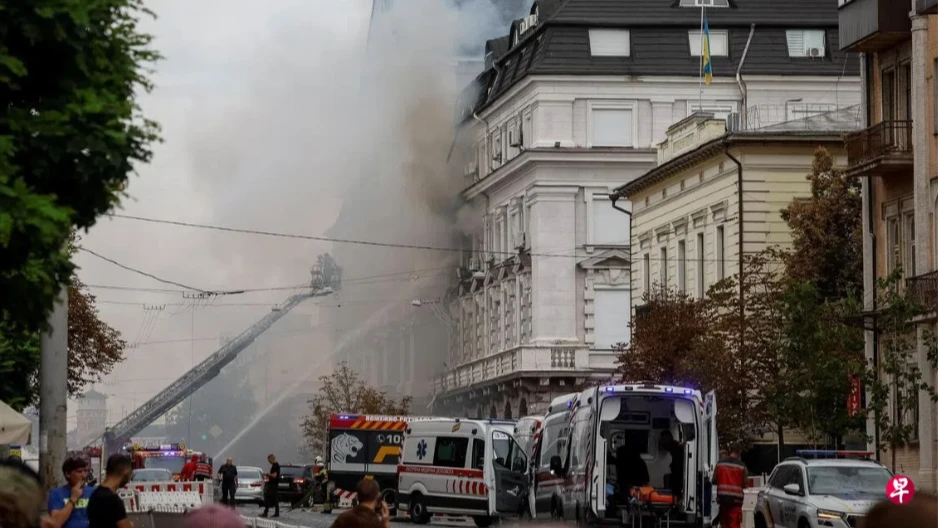
The meeting involved Russian presidential advisors Yuri Ushakov and Kirill Dmitriev. According to Vietnamplus, the US envoys presented potential pathways toward a settlement in an exchange described as constructive and open. Concurrently, both Moscow and Kyiv announced a temporary three-day ceasefire beginning September 5, 2026. President Putin ordered a halt to attacks on Kyiv to protect the diplomatic process.
| Diplomatic Engagement / Event | Key Stakeholders | Core Outcome or Status |
|---|---|---|
| Moscow Envoy Talks | Steve Witkoff, Jared Kushner, Vladimir Putin | Constructive exchange on peace pathways; no permanent accord reached. |
| Ukraine-Russia Ceasefire | Moscow and Kyiv governments | Temporary 3-day halt to capital strikes, effective September 5, 2026. |
| Pacific Islands Forum Debate | Palau, Naoero, and regional states | Failed consensus on criticizing China's unannounced ICBM test. |
| China-Egypt Economic Pact | Xi Jinping, Abdel Fattah el-Sisi | Cumulative investments exceeding $10 billion. |
Despite the temporary pause, the outlook remains tentative. President Putin explicitly stated that the two sides have not agreed on any ceasefire extending beyond the initial three-day window.
Strategic and Economic Entrenchment in the Middle East
While diplomatic channels in Europe navigate temporary pauses, Beijing is expanding its geopolitical footprint in the Middle East. As detailed by Danviet, Chinese President Xi Jinping met with Egyptian President Abdel Fattah el-Sisi in Cairo, urging Middle Eastern nations to forge autonomous security structures and resist outside interference.
Egypt is central to this strategy due to its population of over 110 million and its control of the Suez Canal. According to Danviet, Chinese investments in the Suez Canal Economic Zone are approximately $4 billion, contributing to a total cumulative investment in Egypt exceeding $10 billion.
A significant trade imbalance persists. In the first half of 2026, imports from Beijing to Egypt reached approximately $10.4 billion, while Egyptian exports to China were far lower.
This economic influence is paired with new regional security movements. Danviet reports the signing of the Mecca defense pact on August 7, a mutual defense agreement between Saudi Arabia, Turkey, and Pakistan.
For the Kremlin, the military situation on the ground informs its diplomatic stance. According to Vietnamplus, President Putin recently stated that while the Russian army could accelerate its offensive in Ukraine, doing so would require accepting significantly higher losses.
Archypedia is dedicated to independent, evidence-backed reporting. This briefing was synthesized from primary source reporting, corroborated across independent newsrooms, and verified against our Editorial Standards.
Transparency record
Evidence behind this report
This report synthesizes 7 distinct sources. Open the source ledger below to compare the underlying coverage.
Prepared under the Archypedia Editorial Policy by the Samir Haddad editorial desk profile. AI-assisted tools may support drafting and verification; public accountability remains with Archypedia. Report an error.


