New South Wales to start gun buyback Nov 2 following Bondi attack
The scheme aims to remove an estimated 274,000 guns from circulation after perpetrators used legally obtained firearms in a terror attack that killed 15 people.
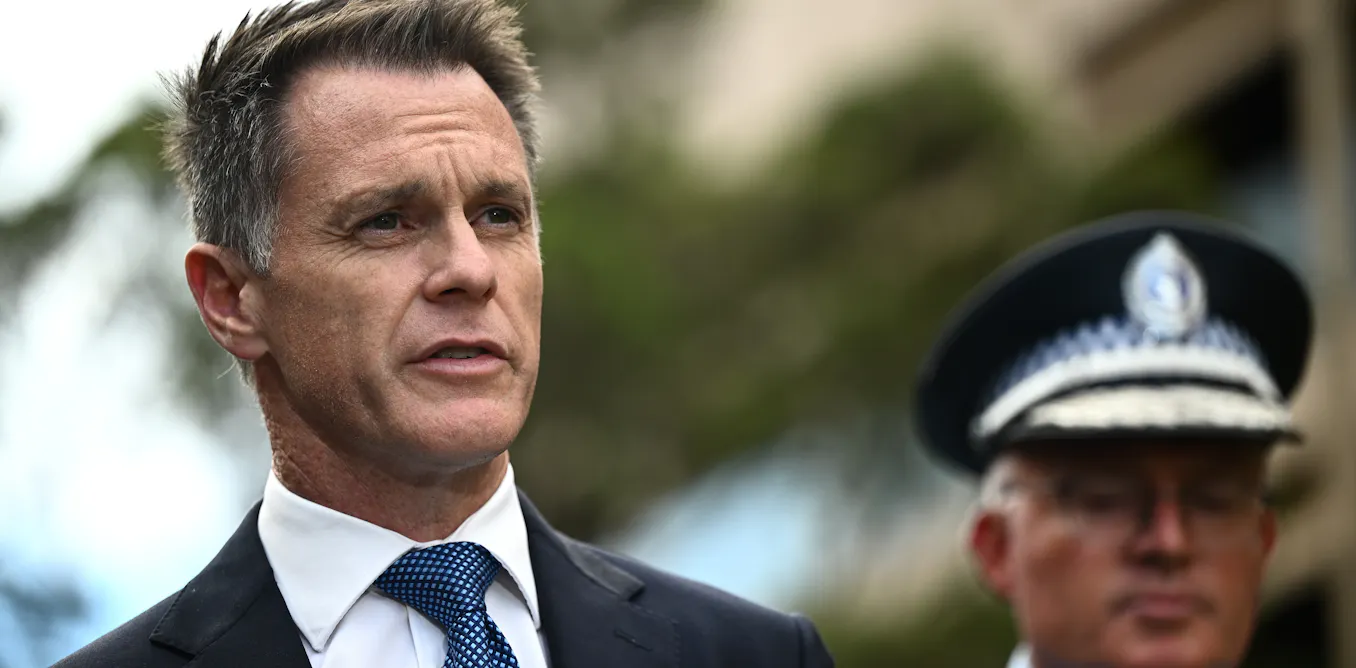
New South Wales will launch a firearm buyback scheme on November 2, 2026, but the initiative arrives as a fractured effort rather than the unified national response originally envisioned by Canberra. While Prime Minister Anthony Albanese and NSW Premier Chris Minns are moving forward, several other states — including South Australia, Queensland, Tasmania, and the Northern Territory — have refused to participate, creating a jurisdictional divide over the cost and purpose of the crackdown.
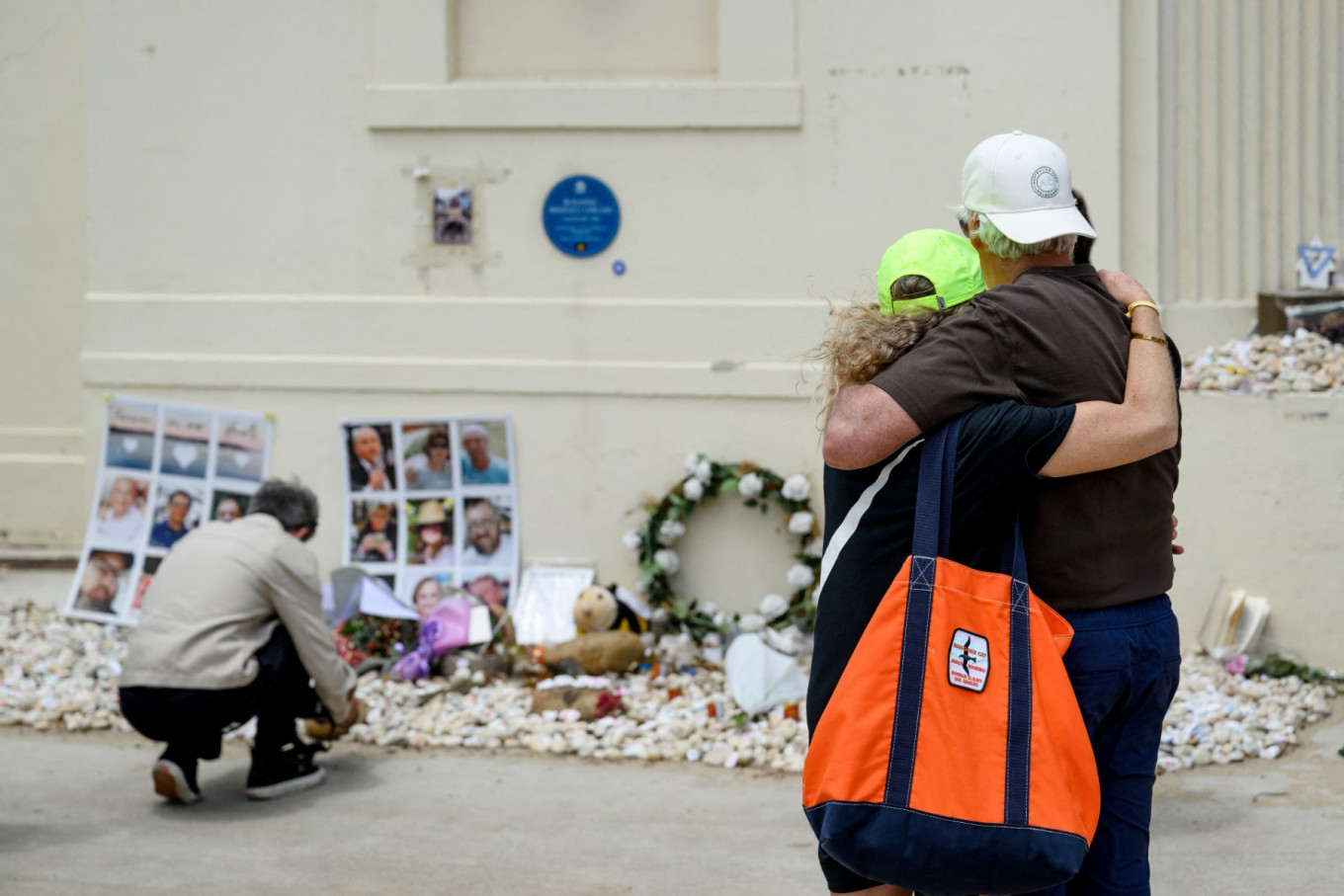
The program is a direct response to the December 14, 2025, terror attack at a Hanukkah celebration at Bondi Beach, where a father-and-son duo opened fire and killed 15 people. According to Outlook India, the perpetrators used legally obtained firearms, including a Beretta BRX1 straight-pull rifle and shotguns. In the aftermath, NSW reclassified straight-pull rifles and shotguns, along with pump-action and button/lever-release firearms, into the highly restricted Category C.
Related YouTube video
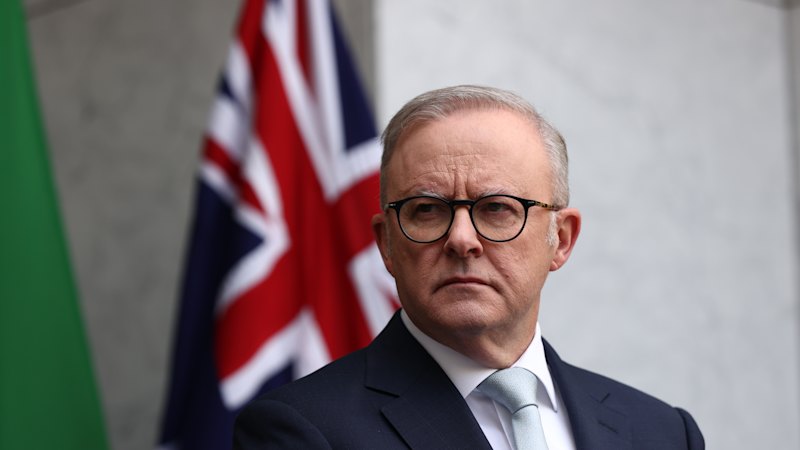
The Bondi massacre has prompted a fundamental shift in ownership limits within New South Wales. Most individuals are now restricted to owning no more than four firearms. Primary producers and sporting shooters are granted a higher ceiling of ten weapons. The buyback targets any firearms exceeding these new legal caps.
Financial incentives for surrendering weapons are tiered based on market value:
- Standard rifles or handguns: Up to A$1,000 per weapon.
- High-value weapons: Up to A$10,000 for firearms with a market value exceeding A$3,000.
Unlike the 1996 Port Arthur buyback, which was funded entirely by the Commonwealth via a temporary Medicare levy, the costs for this scheme will be split 50-50 between the federal government and the NSW state government. Premier Chris Minns has described the cost as "hundreds of millions of dollars," with estimates suggesting 274,000 guns could be removed from circulation.
This funding model has become the primary catalyst for national resistance. South Australian Treasurer Tom Koutsantonis told ABC radio, via Sbs, that the state will not divert money from essential services into a program driven by federal politics, insisting that if the Commonwealth wants a buyback, it should fund it in its entirety.
Opposition extends beyond the treasury. In regional NSW, independent Barwon MP Roy Butler argued that targeting law-abiding farmers and sporting shooters is just nuts
in the context of stopping terrorism or radicalization. Similarly, One Nation leader Pauline Hanson has described the scheme as crucifying
legal gun owners.
While Western Australia and the ACT are generally supportive, with WA having already bought back 83,000 guns through its own separate initiative, other jurisdictions remain implacable. Tasmania has its own buyback offering 1.5 times the market value but refuses to cap the total number of guns a person can own. Queensland has focused on banning non-citizens from obtaining licenses and increasing penalties for 3D-printed weapons, but has kept buybacks off its agenda.
Anti-violence groups, such as the Alannah and Madeline Foundation, continue to lobby for tighter laws, but some analysts suggest a single-state effort may be more symbolic than tangible given that firearms can move across borders.
The push for national harmony faced an early setback when the federal Attorney-General's March 31 deadline for state consensus passed without resolution. Even a subsequent call from Commissioner Virginia Bell of the Royal Commission on Antisemitism and Social Cohesion to prioritize the scheme did not break the deadlock.
The final piece of the puzzle remains Victoria. Following the resignation of Jacinta Allan, new Premier Ben Carroll has stopped short of committing to the scheme, stating he will rely on police advice to determine if such measures are necessary. His decision remains unresolved as One Nation competes for seats in the upcoming Victorian state election on November 28.
Legislative Timeline and State Divergence
The transition toward the November 2 buyback began with the passage of the Combating Antisemitism, Hate and Extremism (Firearms and Customs Laws) Act 2026, which took effect on January 22, 2026. This legislation granted the federal government authority over intelligence sharing between licensing agencies and import controls. However, the effort to create a uniform national response stalled when the federal Attorney-General's March 31 deadline for state consensus passed without agreement, according to The Conversation.
Further momentum was sought following the April 30 release of an interim report from the Royal Commission on Antisemitism and Social Cohesion. In that document, Commissioner Virginia Bell urged both the Commonwealth and the states to accelerate the rollout of the National Firearms Register and prioritize the buyback scheme.
Despite these prompts, the current map of participation remains fragmented:
- New South Wales: Implementing the buyback with a 50-50 cost split with the federal government.
- Western Australia: Supportive of a national approach; has already bought back 83,000 guns via a separate state scheme.
- ACT: Supportive; has implemented a five-gun limit for standard license holders.
- South Australia, Queensland, Northern Territory: Refused to participate, citing funding disputes or differing regulatory priorities.
- Tasmania: Offers 1.5 times market value for weapons but rejects ownership caps.
- Victoria: Undecided; pending police advice and the results of the November 28 state election.
The scale of the challenge is reflected in the volume of weaponry. According to Outlook India, Australia recorded a peak of 4.1 million firearms last year, with more than 1.1 million located in New South Wales alone. Prime Minister Anthony Albanese noted that this volume exceeds the number of guns in the country during the 1996 Port Arthur buyback.
The immediate legal consequence for those not participating in the buyback is a strict ownership ceiling. While most NSW residents are limited to four guns, the government maintains exemptions for primary producers.
How significant is this development?
Contribute your assessment to the aggregated reader intelligence ledger.
Archypedia is dedicated to independent, evidence-backed reporting. This briefing was synthesized from primary source reporting, corroborated across independent newsrooms, and verified against our Editorial Standards.
Transparency record
Evidence behind this report
This report synthesizes 6 distinct sources. Open the source ledger below to compare the underlying coverage.
Prepared under the Archypedia Editorial Policy by the Samir Haddad editorial desk profile. AI-assisted tools may support drafting and verification; public accountability remains with Archypedia. Report an error.