Italy restores border checks with Spain following migrant surge in Ceuta
Prime Minister Giorgia Meloni has reimposed passport controls for non-EU nationals following a chaotic influx of migrants into the Spanish enclave of Ceuta.
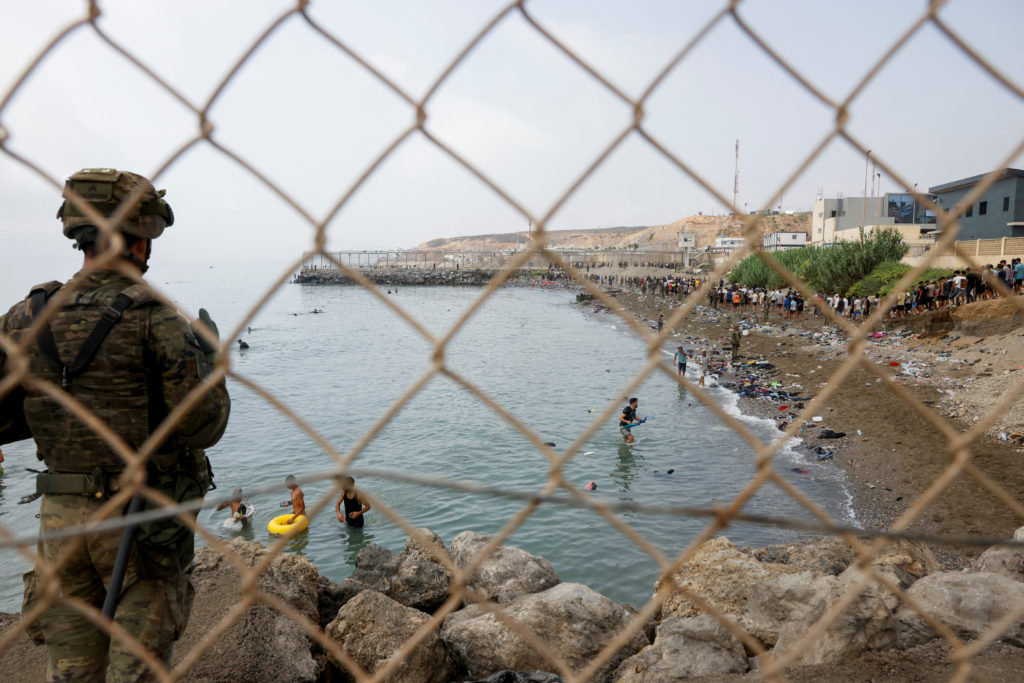
At a breakwater barrier near Tarajal Beach in Ceuta, 57 migrants died during a chaotic surge from Morocco into the Spanish enclave, some drowning in the Mediterranean and others killed in a stampede. On Friday, the physical crisis in North Africa triggered an immediate political rupture in Rome, where Prime Minister Giorgia Meloni suspended the open-border Schengen agreement with Spain.
The decision to reimpose targeted checks on non-European Union nationals arriving from Spain by air or sea for one month is an extraordinary measure
, Meloni wrote on X, intended to safeguard national security. While the Italian Interior Ministry described the move as a closure
of borders, experts noted it constitutes a resumption of passport controls for travelers who previously flew between the two nations without them.
Related YouTube video
France has similarly increased checks along its border with Spain, according to Reuters.
The scale of the influx created a stark disparity in reported numbers. Ceuta's president, Juan Jesús Vivas, stated that approximately 60,000 migrants crossed in 24 hours—a figure equivalent to 70% of the city's population. Conversely, Spain's Interior Ministry estimated the number of arrivals since Thursday morning at 50,000. By Friday evening, the ministry reported that 48,300 people had voluntarily returned to Morocco.
The surge is rooted in a combination of legal triggers and policy incentives. In July, the Spanish Supreme Court ruled that migrants intercepted at sea while attempting to reach Ceuta or Melilla cannot be summarily returned to Morocco under the special procedures used for land-border crossings. Instead, they must be processed through Spain's ordinary immigration, asylum, and removal systems.
Prime Minister Pedro Sánchez blamed human trafficking networks for the crisis, and described the event as a violation of Spain's territorial integrity
.
Conservative critics argue the real catalyst was Spain's mass regularization program. While the government initially estimated that 500,000 undocumented migrants would qualify for residence and work permits if they had lived in Spain for five months before the end of 2025, applications actually reached approximately 1 million. Nile Gardiner of the Heritage Foundation told Fox News Digital that such an amnesty acts as a huge incentive
for others to enter illegally.
The crisis has also been framed as a geopolitical tool. Andrew Fox of the Henry Jackson Society suggested the surge may have been engineered by Morocco
in response to Spain's recent engagement with Algeria. However, Morocco's ambassador to Spain, Karima Benyaich, denied facilitating the crossing, stating the events unfolded against Rabat's wishes.
The Schengen Tradeoff and its Fragility
The restoration of border checks tests the core mechanism of the Schengen Area, which operates on a fundamental tradeoff: member states remove internal controls in exchange for a joint effort to secure the bloc's external frontiers.
- Temporary Waivers: While internal checks are generally barred, they can be reimposed under exceptional circumstances. France, for example, has maintained a renewed waiver since 2015.
The Ceuta breach has emboldened right-wing leaders to argue that the system is failing. Marine Le Pen of France's National Rally called for tighter controls and suggested restricting free movement to European nationals if she wins the next election. In the U.S., President Donald Trump characterized the event as a catastrophe
, warning that similar events could occur in the United States due to liberal migration policies.
The human toll remained evident on the ground in Ceuta. Some migrants, including a 20-year-old hairdresser named Ayman, reported being kicked out badly
by the Spanish army after swimming five hours to reach the territory, only to find no food available.
The political fallout continues to intensify. Spain has summoned the Italian ambassador to protest comments by Foreign Minister Antonio Tajani, who claimed the amnesty policy encouraged trafficking.
Border Breakdown and Regional Fallout
The surge began in the early hours of Thursday, July 30, 2026, as migrants bypassed Moroccan guards and swam several kilometers from the coast or walked along the jetty rocks to reach the beaches of Ceuta. While the Spanish Guardia Civil police association AUGC claimed there were too few officers to monitor the fence and stop the rush, Moroccan security forces eventually deployed water cannons, tear gas, and warning shots. These clashes left the charred remains of a bus and seven cars on the Moroccan side of the border, according to Reuters.
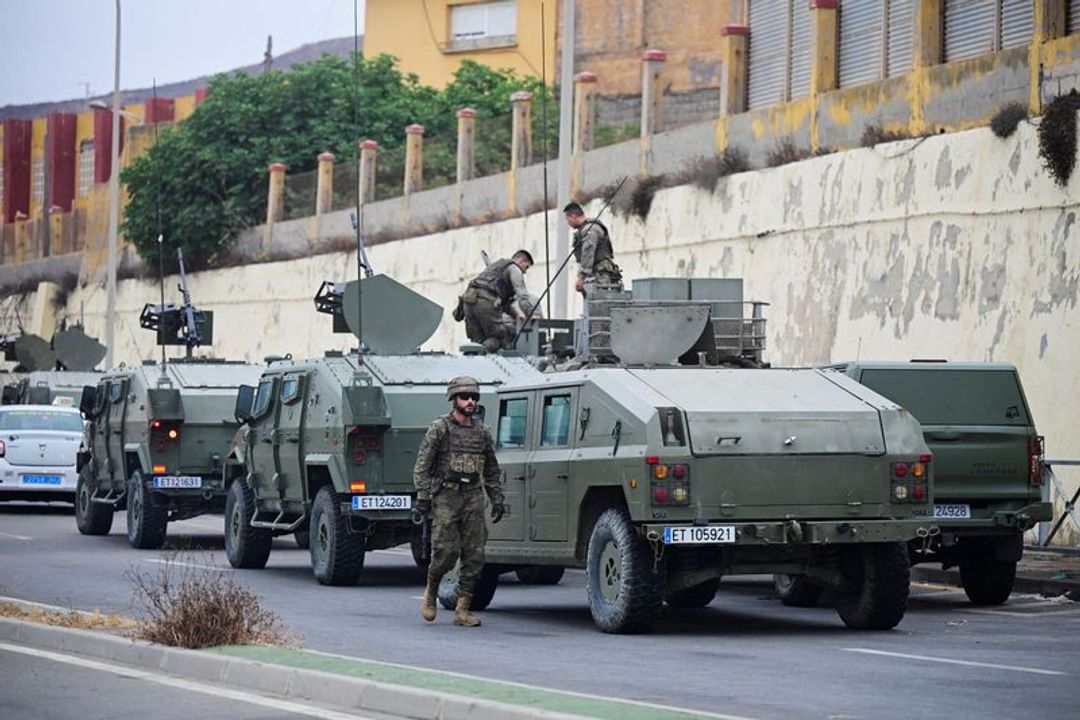
Spain has now deployed armed forces to reinforce security in both Ceuta and Melilla. Prime Minister Pedro Sánchez stated that the next step involves reinforcing the border with Morocco while continuing the repatriation of those who entered illegally.
Archypedia is dedicated to independent, evidence-backed reporting. This briefing was synthesized from primary source reporting, corroborated across independent newsrooms, and verified against our Editorial Standards.
Transparency record
Evidence behind this report
This report synthesizes 5 distinct sources. Open the source ledger below to compare the underlying coverage.
Prepared under the Archypedia Editorial Policy by the Samir Haddad editorial desk profile. AI-assisted tools may support drafting and verification; public accountability remains with Archypedia. Report an error.