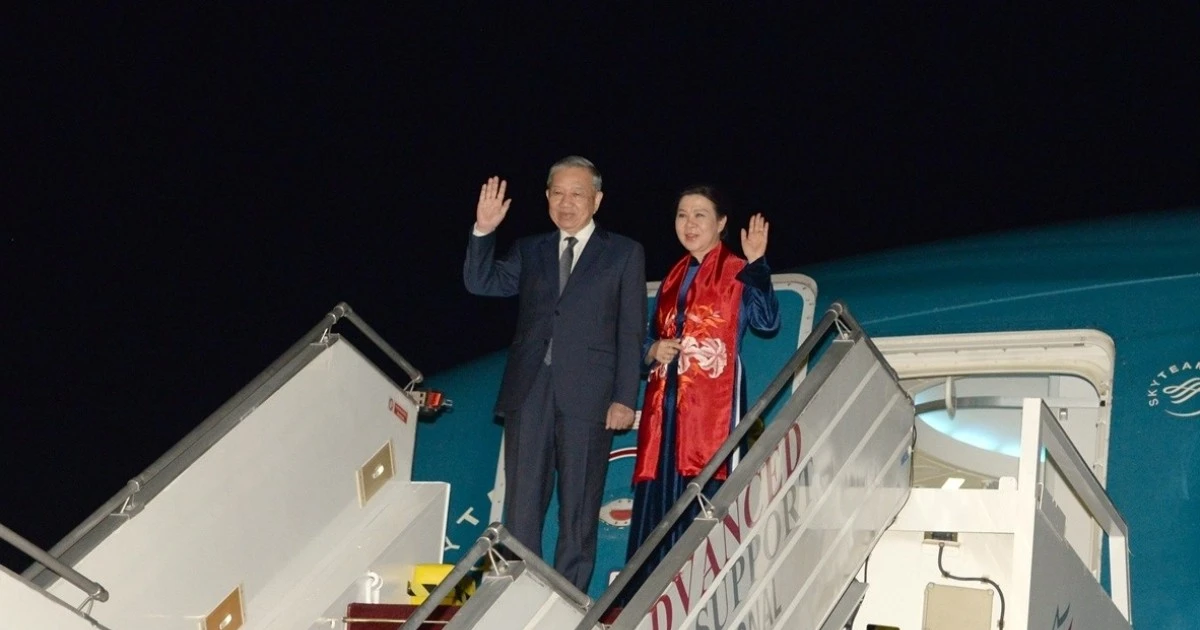
Morocco PM vacations in Mallorca as Ceuta migrant rush kills 72
Spanish officials report at least 72 deaths and over 50,000 crossings, while Morocco maintains significantly lower figures for both metrics.

Prime Minister Aziz Akhannouch of Morocco arrived in Mallorca on a private jet accompanied by family and inner circle members for summer holidays, according to Moroccan media reports via the Majorca Daily Bulletin. His trip followed official Throne Day celebrations and coincided with a deadly surge of migrants breaching the border of Ceuta, a Spanish enclave in North Africa.
At least 72 people died during the mass rush into Ceuta that began on Thursday. Migrants were crushed while attempting to climb a border fence and breakwater, or drowned in the Mediterranean. Miguel Angel Perez, the Spanish government representative in Ceuta, stated via the Star-Advertiser that more than 1,000 people required medical treatment.
Related YouTube video
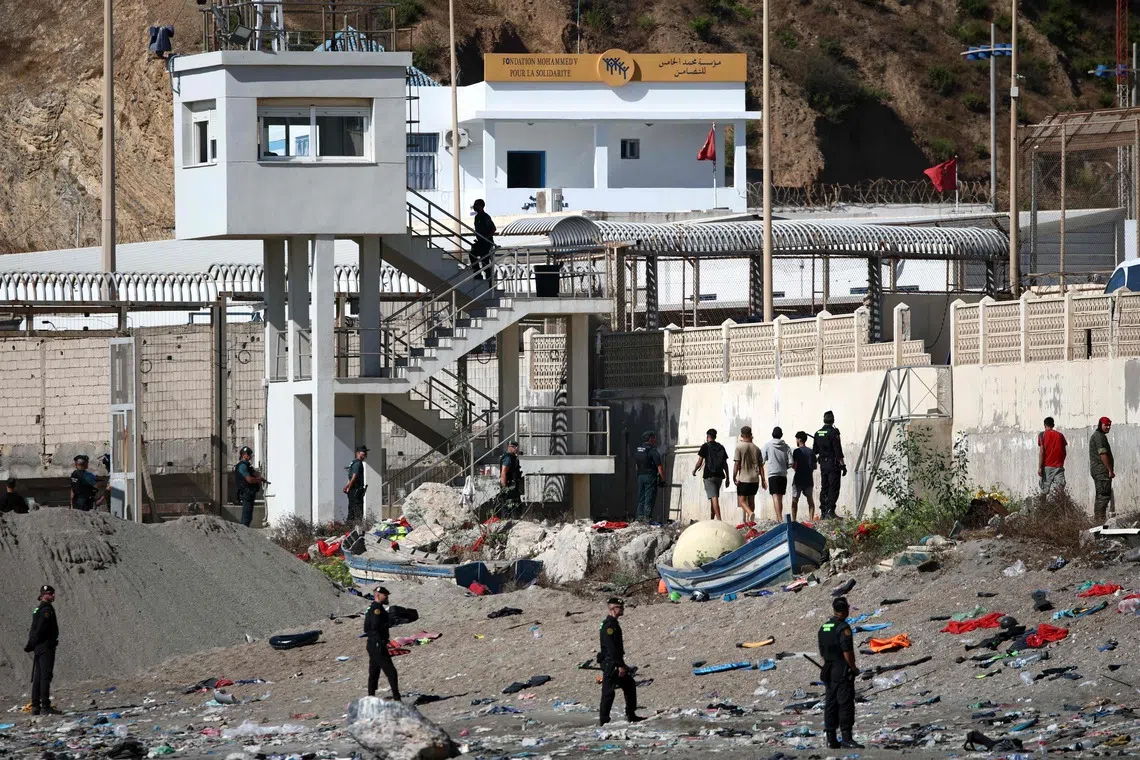

The crisis has exposed a significant disparity in data between the two nations. While Spain confirms 72 deaths, Morocco’s Interior Ministry stated on Sunday that only 11 people had died—mostly by drowning—and noted it was fact-checking reports from the Spanish side. The NZ Herald reports the Moroccan government claimed 10 people drowned and an 11th fatally fell from a rocky area.
This discrepancy extends to the scale of the influx. Morocco estimated 40,000 people were involved, whereas Spanish officials reported more than 50,000, with some estimates reaching 60,000 according to the Straits Times. Adding further complexity, Ceuta leader Juan Jesus Vivas told El Pais that the city's morgue had received 88 corpses, a total that included deaths from smaller, hazardous night-time swims over the previous two weeks.
The Moroccan government has not issued a formal statement on the crisis. Moroccan media reports suggest the situation has been managed directly by the Royal Palace, leaving the government with a minimal role in the diplomatic conflict with Spain.
| Metric | Moroccan Official Figure | Spanish Official Figure |
|---|---|---|
| Confirmed Deaths | 11 | 72 |
| Total Crossing Volume | 40,000 | 50,000 - 60,000 |
Economic hardship and social media rumors triggered the sudden movement. Morocco's Interior Ministry and the Spanish Foreign Ministry both cited a misinterpretation of a Spanish ruling that bans the immediate return of migrants intercepted at sea. Spain specifically blamed criminal gangs for spreading rumors that a recent Spanish Supreme Court ruling would allow migrants easier passage.
The event sparked immediate geopolitical friction within Europe. Italy suspended passport-free Schengen travel arrangements with Spain for one month. Twenty-two EU member states issued a joint letter demanding coordinated action to protect external borders.
Some analysts suggest the surge may be a calculated pressure tactic. This follows a 2021 event where 10,000 people crossed into Ceuta after Morocco eased border controls. According to the NZ Herald, this latest incident may be intended to pressure Spain following Madrid's improved diplomatic ties with Algeria, which is Rabat's arch-enemy.
Spanish Prime Minister Pedro Sanchez described the reactions of some EU countries as selfish
in a letter to EU leaders. Spain has denied that its residency program for over half a million undocumented people encouraged the rush, arguing that those entering Ceuta irregularly cannot travel to mainland Spain or elsewhere in the Schengen zone.
The human cost was highlighted by Karima Abenaz, a French national with family in Morocco, who noted the presence of women with children as young as two months old.
"It pains me deeply that young people are dying at sea. It’s not right that, in the year 2026, women with children as young as two months old should be crossing the sea only to die... In Morocco, there’s food, there’s everything we need. If we don’t have a decent job, we should go on strike and demand our rights from the government. We shouldn’t be dying at sea, it’s not right."
Karima Abenaz, via Majorca Daily Bulletin
Security has been reinforced with the installation of a 500-meter floating barrier off the coast of Ceuta on Saturday. Most migrants have returned to Morocco; Spanish authorities say 48,000 departed within the first 48 hours. According to the Straits Times, the Civil Guard used buses to escort migrants back to the border post.
The mass influx occurred primarily between Wednesday and Friday. By Sunday, Spanish police and troops were patrolling the streets of Ceuta as the enclave returned to normality. Beyond Ceuta, Morocco's Interior Ministry reported that 1,135 people were stopped from entering Melilla, another Spanish enclave.
Pope Leo XIV expressed concern
during his daily prayers on Sunday, stating his hope for a solution of peace, stability and justice
, as reported by the NZ Herald.
International coordination is now the priority for the European Union. Following the joint letter from 22 member states, the EU has scheduled a video call for Tuesday, August 5, to agree on a speedy coordinated response to prevent further uncontrolled crossings.
How significant is this development?
Contribute your assessment to the aggregated reader intelligence ledger.
Archypedia is dedicated to independent, evidence-backed reporting. This briefing was synthesized from primary source reporting, corroborated across independent newsrooms, and verified against our Editorial Standards.
Transparency record
Evidence behind this report
This report synthesizes 5 distinct sources. Open the source ledger below to compare the underlying coverage.
Prepared under the Archypedia Editorial Policy by the Samir Haddad editorial desk profile. AI-assisted tools may support drafting and verification; public accountability remains with Archypedia. Report an error.