Spain’s PM says no evidence Morocco planned Ceuta border rush
A parliamentary clash has erupted in Madrid over whether the surge of 72,000 people into the Spanish enclave was a spontaneous event or a deliberate Moroccan strategy.

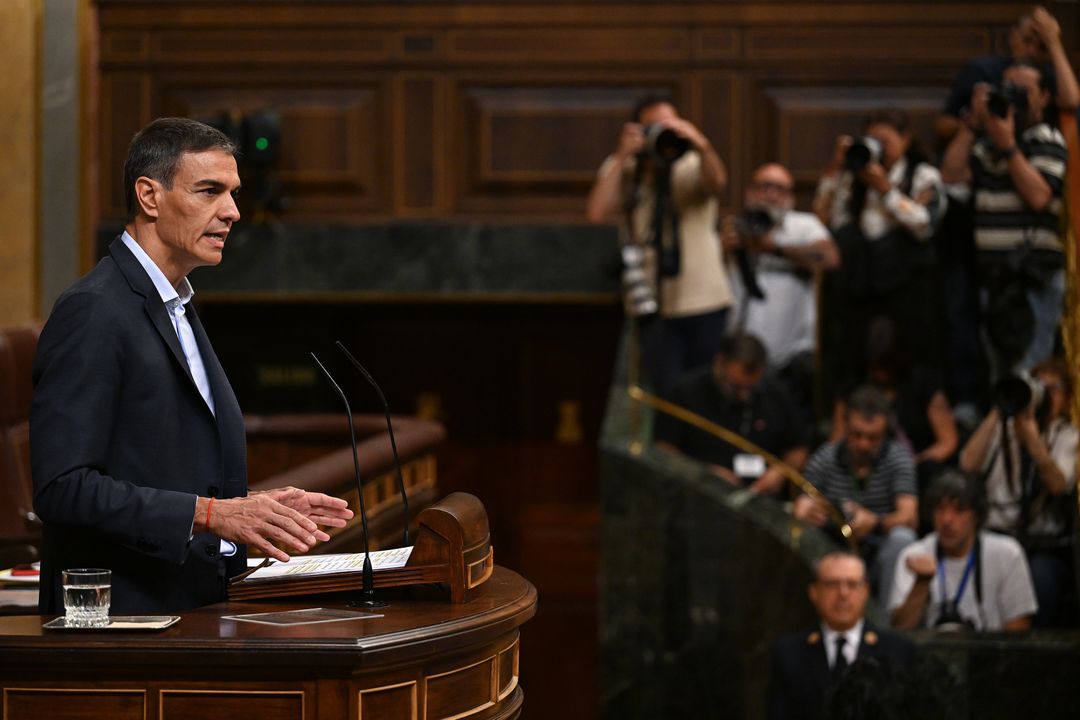
A court-commissioned police report alleges that Moroccan security forces deployed fewer officers than usual at the border and failed to make serious attempts to disperse crowds during a mass breach into Ceuta. Yet, in a tense parliamentary debate on Thursday, 3 September 2026, Prime Minister Pedro Sanchez categorically denied that any such evidence of orchestration exists.
The discrepancy centers on a late July surge where approximately 72,000 people rushed or swam into the Spanish enclave, a city with a total population of 84,000. While Sanchez insists no diplomatic service, international body, or the European Commission has provided "solid evidence" that Morocco planned the event, he admitted that Moroccan Gendarmerie police allowed crossings to occur during a 10-hour peak period on 30 July.
Related YouTube video
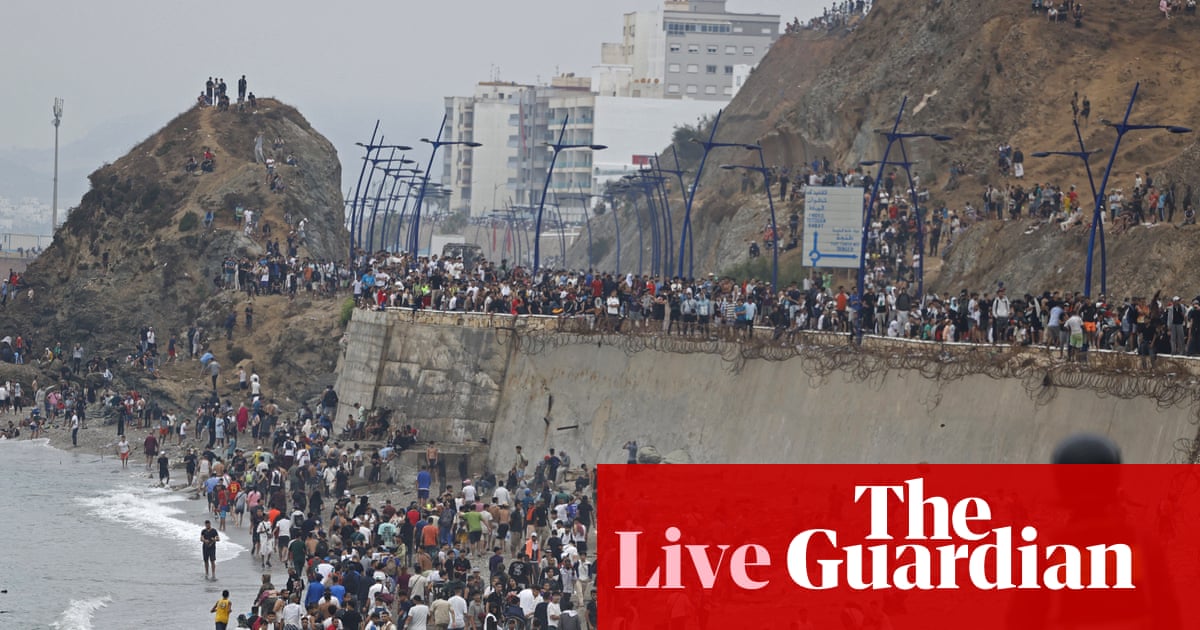
The human cost of the breach remains a primary concern for the national government, as about 5,000 people, including 1,200 children, remain stranded in Ceuta weeks after the event. This humanitarian situation has fueled domestic unrest, with thousands of protesters rallying across Spain on Wednesday, chanting Expel the invaders
and Ceuta is not for sale
.
The police report, commissioned by a High Court judge, characterizes the breach not as a spontaneous migration event but as a planned and phased operation
designed to overwhelm border controls. According to the report, some uniformed Moroccan officers provided directions toward the crossing point at the Tarajal breakwater, while other unidentified individuals appeared to monitor and guide the flow of people.
Sanchez has attempted to divide Morocco's response into distinctive phases. He argues that while there was a 10-hour breakdown in border control, Morocco's cooperation before and after that window worked well, which he claims prevented thousands of additional illegal crossings. He further highlighted Rabat’s cooperation in returning the majority of migrants within 48 hours of the rush.
Moroccan authorities have denied any permissiveness. They attribute the surge to a social media campaign and the misinterpretation of a Spanish court ruling that they claim appeared to create a legal loophole for arrivals by sea.
The Prime Minister's defense of Morocco has sparked a political firestorm in Madrid. Political rivals have demanded his resignation and early elections, citing the mishandling of the crisis. Santiago Abascal, leader of the far-right Vox party, accused Sanchez of treason
and dismissed the idea that an online hoax
could mobilize 100,000 people.
Conflicting Narratives on the Border Breach
| Perspective | Claimed Cause/Nature of Event | Observed Behavior |
|---|---|---|
| Police Report | Planned and phased operation to overwhelm controls | Small security deployments; officers giving directions |
| Moroccan Govt | Social media campaign and Spanish legal loophole | Denied enabling the crossing |
| PM Pedro Sanchez | A "breakdown" of control; not orchestrated | 10-hour period of Moroccan inaction or inability |
Beyond the bilateral tension with Rabat, the crisis has taken an unexpected geopolitical turn. Lawmaker Gabriel Rufian and other commentators have alleged that the migration crisis serves Israeli interests, amid deteriorating relations over Spain's position on the war in Gaza. These claims intensified after Israeli UN Ambassador Danny Danon questioned Spain's control of Ceuta and Melilla and attacked Madrid's immigration policy. Transport Minister Oscar Puente stated that the events were becoming quite clear
, though he did not elaborate on the specific connection to Israel.
Sanchez maintains that any conclusions must be grounded in facts rather than speculation, but the central ambiguity remains. Spanish authorities have yet to determine if the 10-hour collapse of the border was the result of Moroccan inability to contain the influx or a deliberate failure to act.
Administrative and International Responses
The European Commission has maintained a diplomatic stance regarding the crisis, describing Morocco as an important strategic partner
in the fight against illegal migration and migrant smuggling, according to an EU spokesperson. While the spokesperson declined to comment on specific leaks reported in the Spanish press, the EU confirmed that Commissioner Šuica is in regular contact with Morocco’s foreign minister, Nasser Bourita.
Domestic pressure on the Sanchez government intensified on Wednesday, 2 September 2026, when approximately 50,000 people marched in Madrid. During this protest, the Prime Minister denied that Spanish authorities had received any prior warnings that would have anticipated the scale or probability of the breach. This denial comes as political rivals continue to push for his removal, with Santiago Abascal of Vox specifically criticizing the government for not making the summoning of the Moroccan ambassador public at the time it occurred.
The European Union is currently processing a request from Spain for assistance in Ceuta. According to the EU, the assessment of this request is still ongoing. This international support arrives as the Spanish government struggles to reconcile the findings of the High Court-commissioned report—which identifies the movement as a planned and phased operation
—with the lack of formal evidence from diplomatic services.
The Prime Minister has insisted that all decisions must be based on facts rather than speculation. Consequently, the next step is a proper investigation to determine if the 10-hour collapse of Moroccan border control was a failure of ability or a deliberate failure to act.
Archypedia is dedicated to independent, evidence-backed reporting. This briefing was synthesized from primary source reporting, corroborated across independent newsrooms, and verified against our Editorial Standards.
Transparency record
Evidence behind this report
This report synthesizes 4 distinct sources. Open the source ledger below to compare the underlying coverage.
Prepared under the Archypedia Editorial Policy by the Samir Haddad editorial desk profile. AI-assisted tools may support drafting and verification; public accountability remains with Archypedia. Report an error.