Iran supreme leader warns of 'unforgettable lessons' if US attacks continue
Tehran has suspended its interim agreement with the United States and expanded military operations into Kuwait and Bahrain, signaling a sharp escalation.

Iran’s supreme leader, Mojtaba Khamenei, issued a stark warning to the United States on Saturday, threatening "unforgettable lessons" if Washington continues its military campaign against the Islamic Republic. The declaration, which was broadcast on state television, is a notable departure from diplomatic efforts to stabilize the region, as Tehran simultaneously announced it is suspending its commitments to an interim agreement that was established approximately one month ago.
The supreme leader—who has remained out of public view since the conflict began on 28 February 2026—described President Donald Trump’s signature on the now-abandoned memorandum of understanding as utterly worthless and invalid
. According to the statement, the recent US military actions have exposed what Tehran characterizes as the inherent bullying, hegemonism and savagery
of the American administration.
Related media
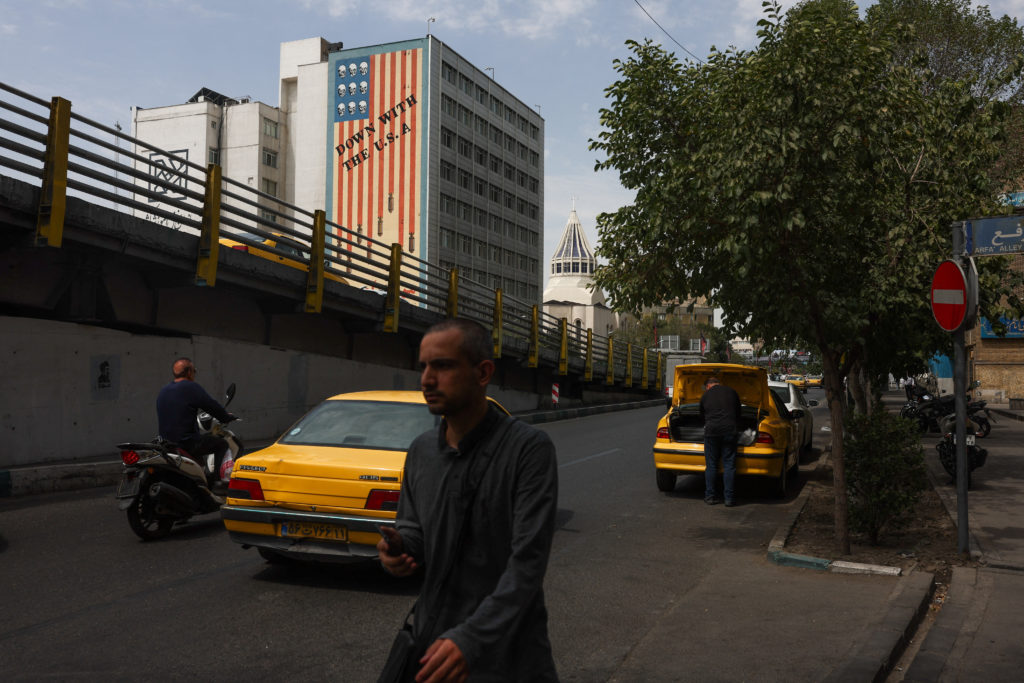
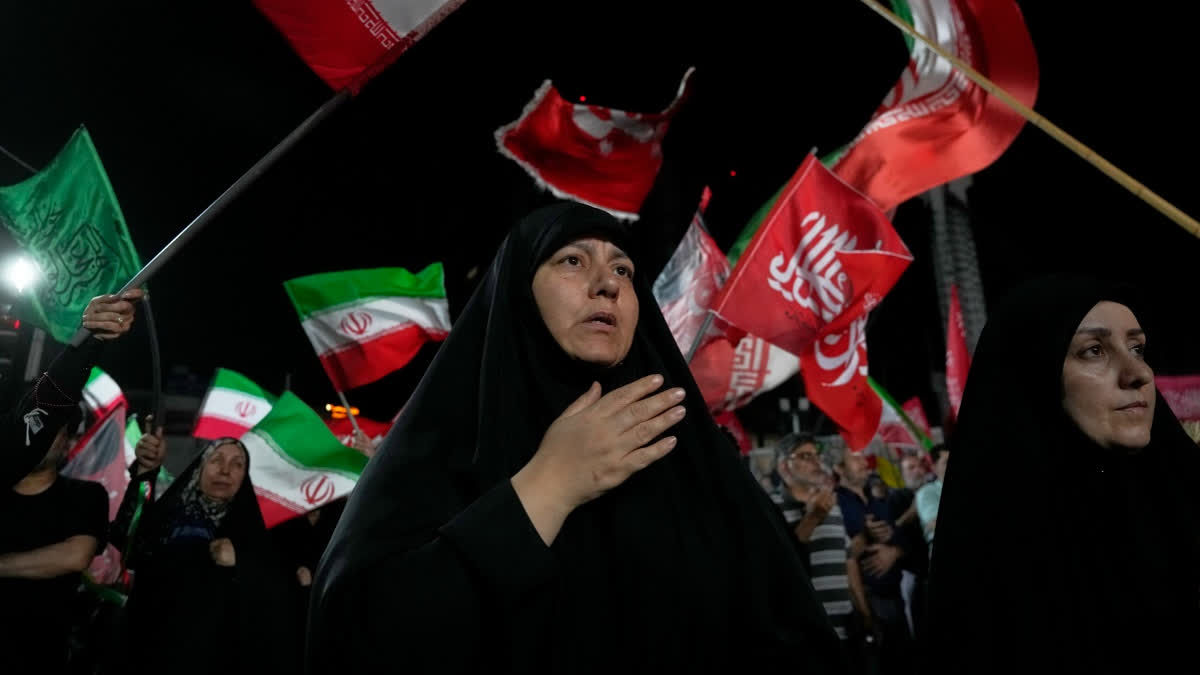

This rhetorical escalation coincides with a sharp increase in direct military casualties. On 18 July 2026, U.S. Central Command confirmed the death of two service members in Jordan, marking the first such fatalities from direct Iranian fire since the initial days of the war. An additional service member remains missing following the Friday attack, during which US and partner forces attempted to repel a volley of Iranian ballistic missiles and drones. Since the conflict's inception, 16 U.S. Service members have now been killed and over 430 wounded.
Escalation in the Gulf
The conflict has increasingly focused on the Strait of Hormuz, a critical maritime chokepoint that previously facilitated the transit of one-fifth of the world’s crude oil. Following US and Israeli strikes at the start of the war, Iran effectively closed the strait to shipping, leveraging the disruption to exert pressure on global energy markets. While the US has launched its seventh consecutive night of strikes against surveillance sites, logistics infrastructure, and maritime capabilities, Tehran has expanded its theater of operations.
On Saturday, Iranian strikes reached infrastructure in neighboring Kuwait, impacting a water desalination plant and an oil facility. Kuwaiti authorities, who reported that the attacks forced power generation units offline, were joined by the Gulf Cooperation Council in condemning the strikes. Jasem Mohamed al-Budaiwi, the council’s secretary-general, accused Iran of committing war crimes by deliberately targeting civilian facilities. The damage is particularly severe for Kuwait, a nation that relies on desalination for 90 percent of its drinking water.
Additional strikes were reported across the region. Iran’s military claimed to have targeted a US-used air base in Bahrain, while Iraq reported shooting down attack drones over Irbil. In Iran, state-run media noted that US strikes destroyed the Bonji desalination plant and damaged infrastructure on Qeshm Island, while also hitting bridges and tunnels near the port of Bandar Abbas.
Future Military Posture
The diplomatic collapse has prompted warnings from Iran’s senior military leadership regarding the next phase of the conflict. Major General Mohsen Rezaei, a military adviser to the supreme leader, stated that Iran would no longer restrict itself to retaliatory, like-for-like responses
. Rezaei indicated that if US strikes persist, Iran is prepared to initiate full-scale offensive operations
.
The situation remains fluid as both nations appear locked in a cycle of escalation. David Khalfa, a Middle East specialist at the Paris-based Jean-Jaures Foundation, noted that while the strategic cost of the conflict continues to mount, both parties currently perceive compromise as a form of political capitulation. For now, the US maintains its naval blockade on Iranian ports, while President Trump faces mounting political pressure at home to resolve the conflict and mitigate the economic impact of the instability.
Meanwhile, the Iranian energy ministry has issued public appeals for citizens to ration electricity as the country grapples with damaged power infrastructure and extreme regional heat.
| Area of Concern | Status |
|---|---|
| Strait of Hormuz | Closed; shipping volumes at a three-week low. |
| Interim Deal | Suspended; both sides accuse the other of violations. |
| Regional Proxies | High activity; "Axis of Resistance" invoked by Tehran. |
Archypedia is dedicated to independent, evidence-backed reporting. This briefing was synthesized from primary source reporting, corroborated across independent newsrooms, and verified against our Editorial Standards.
Transparency record
Evidence behind this report
This report synthesizes 8 distinct sources. Open the source ledger below to compare the underlying coverage.
Prepared under the Archypedia Editorial Policy by the Samir Haddad editorial desk profile. AI-assisted tools may support drafting and verification; public accountability remains with Archypedia. Report an error.


