Iran suspends interim nuclear deal as conflict with United States intensifies
Tehran has declared its interim deal with Washington invalid following a series of retaliatory strikes across the region. The move coincides with intensifying damage to infrastructure and mounting casualties for U.S. forces.

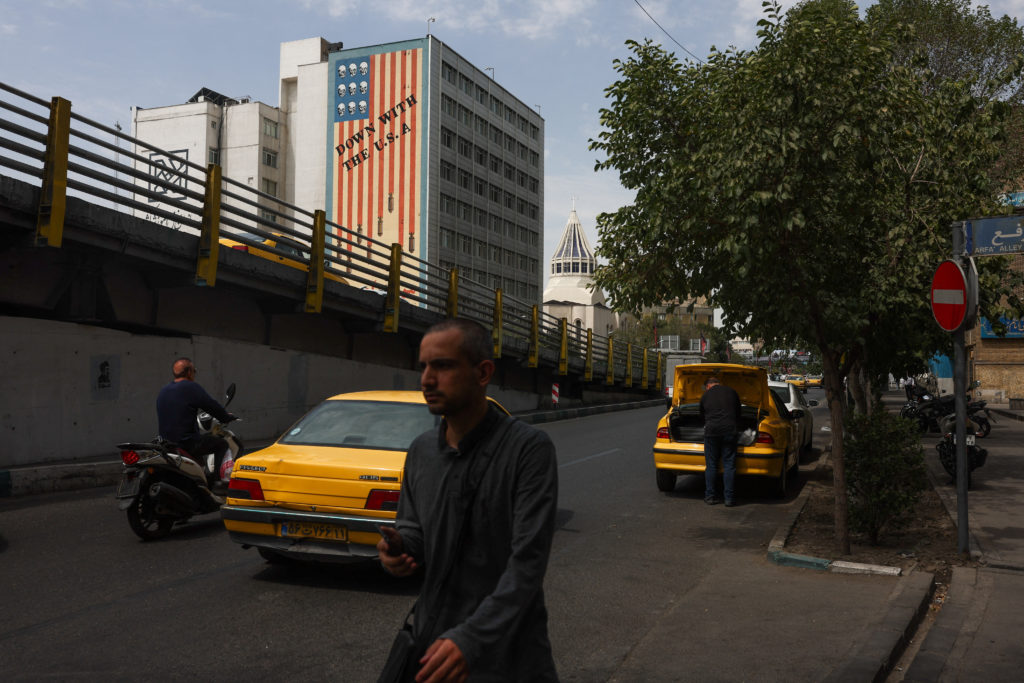
The conflict between the United States and Iran escalated sharply on Saturday, as Tehran announced the formal suspension of its commitments to an interim deal signed about a month ago. The collapse of the agreement, which was intended to permanently end the fighting, coincides with an intensification of strikes targeting military and civilian infrastructure across the region.
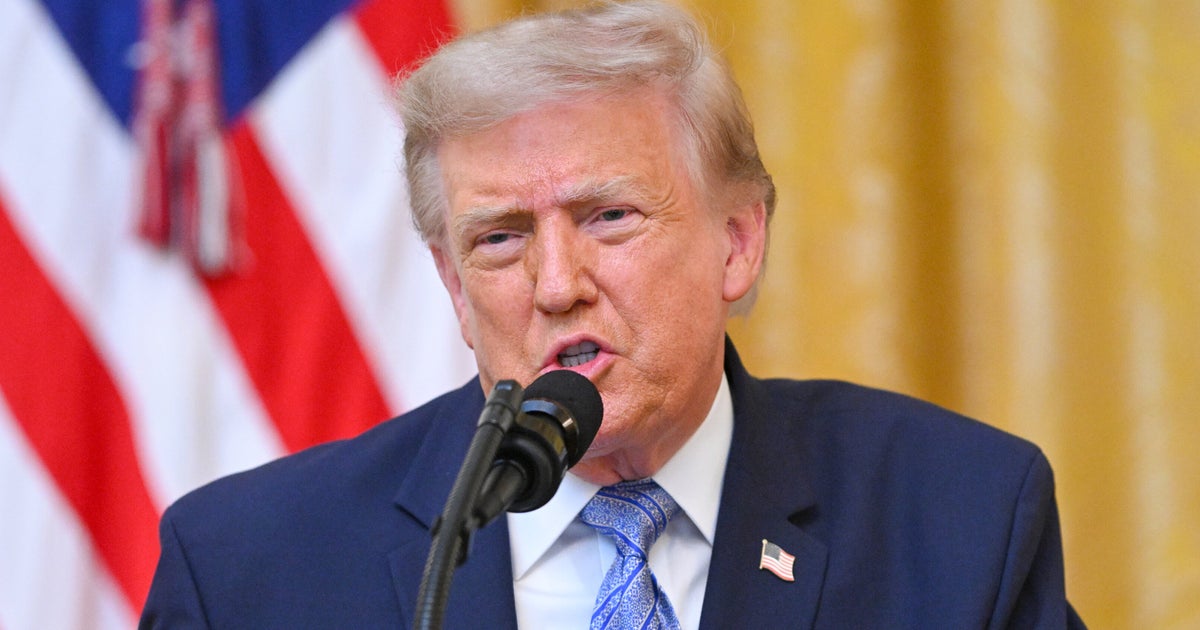
Tehran’s deputy foreign minister, Kazem Gharibabadi, announced on state television that Iran is no longer implementing the deal, accusing Washington of violating its own obligations. In a separate address read on state television, Iran’s supreme leader, Mojtaba Khamenei, declared the U.S. President’s signature worthless and invalid
. Khamenei, who has not been seen in public since the start of the conflict, warned that Iran and its Axis of Resistance
regional proxies have unforgettable lessons
in store for the United States if military operations continue.
Related media
Escalation of Combat Operations
The U.S. Military confirmed on Saturday that two service members were killed and one is missing following a strike on a base in Jordan. According to U.S. Central Command, these fatalities occurred on Friday while U.S. And partner forces defended against ballistic missile and drone attacks. This brings the total count of U.S. Service members killed during the war to 16, with more than 430 wounded.
U.S. Central Command said early on Saturday that its seventh straight night of strikes hit surveillance sites, military logistics infrastructure, underground weapons storage, and maritime capabilities.
Iran has widened its retaliatory efforts, striking infrastructure in neighboring nations. The most significant damage from Iranian strikes on Saturday occurred in Kuwait, where a water desalination plant and an oil facility were hit, according to the Kuwait authorities and the Kuwait Petroleum Corporation. The strikes injured several people at the oil facility and caused a fire at the desalination plant, forcing several power generation units offline. It was the second attack against a desalination plant in two days in the tiny desert nation that depends on desalination for 90% of its drinking water. Meanwhile, Iraq said it shot down attack drones over the city of Irbil. Jordan's state-run Petra news agency said the kingdom's air defence systems had downed Iranian missiles.
Within Iran, the Energy Ministry issued a plea for residents to reduce electricity usage, particularly in southern provinces facing extreme heat, as U.S. Strikes hit power infrastructure. Iranian state-run news agency IRNA reported that the Bonji desalination plant was destroyed, cutting off water access for approximately 10,000 residents, and that bridges leading to the port city of Bandar Abbas were damaged, disrupting regional transport.
Regional and Economic Impact
The battle for control of the Strait of Hormuz has forced a sharp decline in maritime transit. Crossings through the strait fell to a three-week low, according to an international shipping tracker. Iran has effectively closed the strait to shipping traffic, insisting that vessels pay transit fees to Tehran, a claim the international community rejects.
The secretary general of the six-nation Gulf Cooperation Council, Jasem Mohamed al-Budaiwi, accused Iran of war crimes for strikes on infrastructure and civilian facilities.
Future Outlook
Major General Mohsen Rezaei, a senior Iranian military adviser, warned that Tehran would resume full-scale offensive operations
if U.S. Strikes continued.
Archypedia is dedicated to independent, evidence-backed reporting. This briefing was synthesized from primary source reporting, corroborated across independent newsrooms, and verified against our Editorial Standards.
Transparency record
Evidence behind this report
This report synthesizes 8 distinct sources. Open the source ledger below to compare the underlying coverage.
- cbsnews.com
- southcoastregister.com.au
- pbs.org
- huffpost.com
- uk.news.yahoo.com
- vanguardngr.com
- timesnownews.com
- etvbharat.com
Prepared under the Archypedia Editorial Policy by the Samir Haddad editorial desk profile. AI-assisted tools may support drafting and verification; public accountability remains with Archypedia. Report an error.


