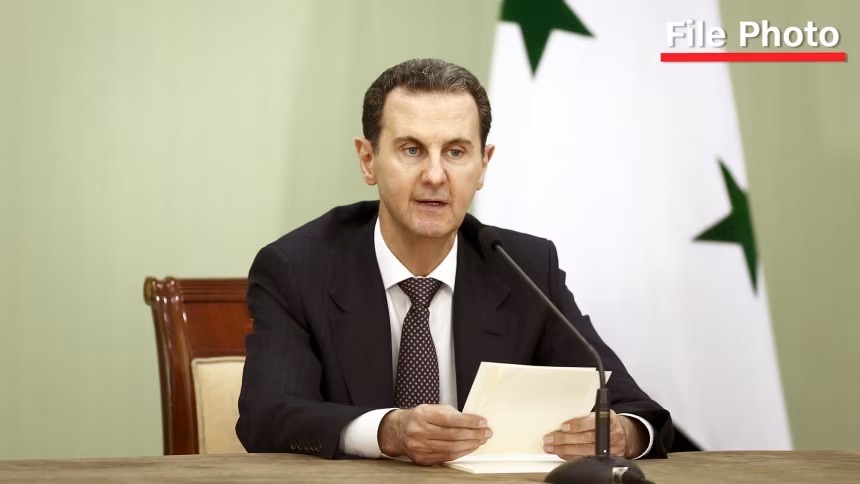
Syrian court sentences former grand mufti Ahmad Hassoun to life prison
The conviction marks the first trial of a senior Sunni figure among officials in Syria's post-Assad transitional justice proceedings. Evidence revealed Hassoun's ties to paramilitary groups and intelligence agencies.

Ahmad Badreddine Hassoun once cultivated an international reputation as an advocate of interfaith dialogue and frequently participated in conferences and meetings with Christian and other religious leaders. On Monday, August 24, 2026, the Fourth Criminal Court in Damascus sentenced the former grand mufti to life in prison.
The conviction marks the first trial of a senior Sunni figure among senior officials to be tried in Syria’s post-Assad transitional justice proceedings following the December 2024 ouster of Bashar al-Assad. Judge Fakhreddine al-Aryan found that Hassoun, who served as Syria's top Islamic cleric from 2005 to 2021, used his authority to provide religious cover
for security operations and specifically justified the use of barrel bombs against civilian areas—a practice that the court ruled violated international humanitarian law.
Related YouTube video
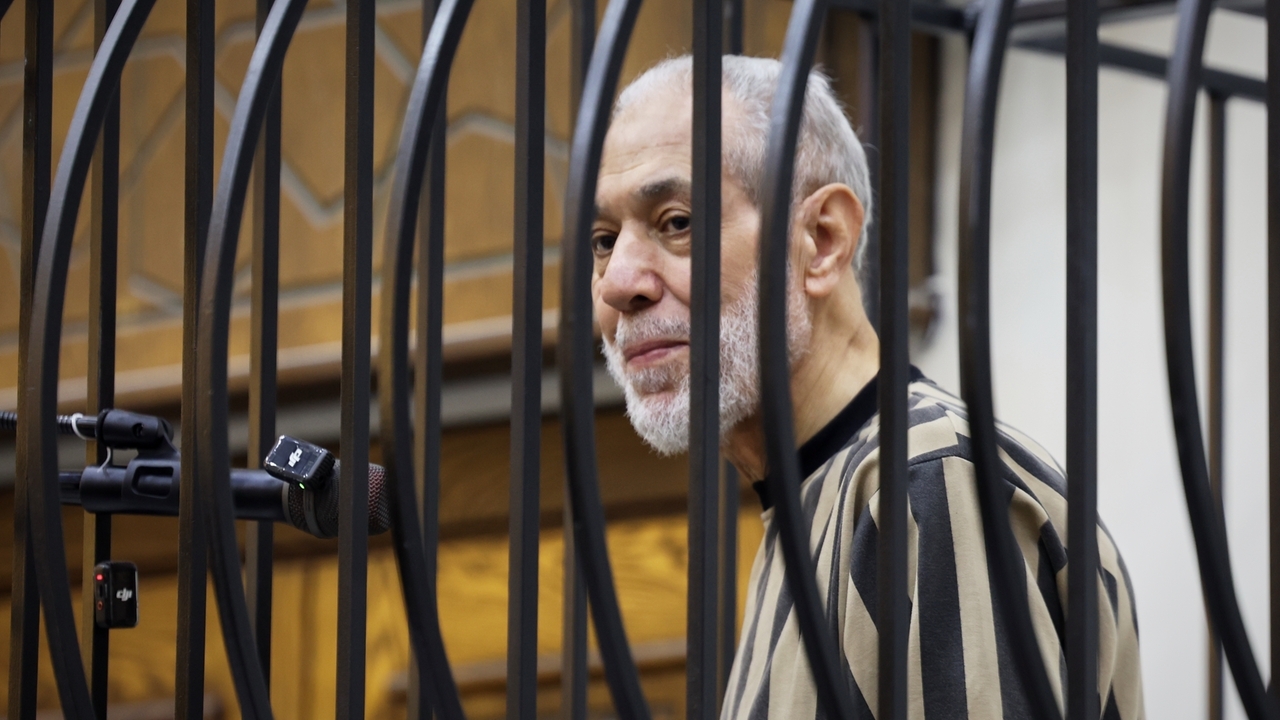

The ruling established that Hassoun's influence extended beyond theological justifications into direct incitement. According to court findings reported by Saudi Gazette, Hassoun used religious lectures to urge soldiers to annihilate and destroy
opposition-held areas and issued public calls through Syrian media for civilians in eastern Aleppo to evacuate their homes. He further threatened the people of Idlib with killing and displacement.
The evidence presented during the six-session trial revealed deeper ties between the cleric and the regime's paramilitary apparatus. Reporting from 5Pillars indicates that Hassoun or his son had provided tens of thousands of dollars to the group’s leadership of Liwa al-Quds, a predominantly Palestinian militia which fought alongside Assad’s forces during the conflict. Witness testimony also alleged a relationship with intelligence agencies, claiming one witness alleged that Hassoun had cooperated with the security establishment as far back as the 1980s and had supplied intelligence officials with information about people attending his religious lessons in Aleppo.
Hassoun's loyalty to the Assad family remained steadfast even after the regime unexpectedly abolished the office of grand mufti in 2021. Following the government's collapse in December 2024, Hassoun went into hiding. He emerged a month later and was arrested at Damascus International Airport in March 2025 while attempting to leave the country.
His sentencing is part of a broader attempt by Syria’s post-Assad authorities to prosecute figures accused of responsibility for abuses committed during more than five decades of Assad family rule. While Hassoun was tried in person, many of the most senior figures received judgments in absentia.
| Official | Sentence | Trial Status |
|---|---|---|
| Bashar al-Assad | Death | In absentia |
| Maher al-Assad | Death | In absentia |
| Atif Najib (Cousin) | Death | Present in court |
| Wassim al-Assad (Cousin) | Death | Present in court |
| Ahmad Hassoun | Life Imprisonment | Present in court |
The speed of these proceedings has created a divide between victims and international observers. Many Syrians have welcomed the convictions, citing frustration with the pace of accountability after a civil war that killed about half a million people and displaced more than half of the prewar population of 23 million. Conversely, human rights groups have warned that the trials are being rushed.
Balkees Jarrah, the Middle East and North Africa director for Human Rights Watch, stated via Tempo that achieving justice for such serious crimes requires building a system that can deliver competent, impartial, and independent justice
rather than just convictions.
Hassoun denied the charges throughout his trial, claiming his public statements had been taken out of context and asserting he had not supported the Assad regime but had instead sought to help Syrians affected by it. The court rejected these claims, handing down a series of penalties including 20 years for inciting killings and 10 years for prolonging those killings. In addition to the prison term, the court ordered the confiscation of Hassoun's assets for the benefit of the public treasury and mandated restitution payments to his victims.
Syrian Foreign Minister Asaad al-Shaibani described the defense of victims' rights as a sacred duty
via Samaa. The court explicitly ruled that Hassoun is barred from any general or special amnesty.
Judicial Chronology and Precedent
The trial of the 77-year-old cleric began on June 25, 2026, spanning six sessions at the Palace of Justice in Damascus. According to Saudi Gazette, Hassoun is the 10th figure from the previous regime to be convicted under the current authorities. His case follows a series of high-profile death sentences issued earlier in August 2026, including a ruling on August 11 for Bashar al-Assad, his brother Maher, and five security officials.
The prosecution's case relied heavily on Hassoun's transformation from an interfaith advocate into a defender of military tactics. Reporting from 5Pillars notes that Hassoun explicitly praised figures such as Syrian Republican Guard general Issam Zahreddine and Iranian commander Qassem Soleimani. Witnesses further alleged that shortly after the 2011 crackdown began, Hassoun traveled to Al-Sanamayn in Daraa province to urge residents against rebelling.
The court's findings extend to financial complicity, noting that Hassoun or his son provided tens of thousands of dollars to the leadership of Liwa al-Quds. These ties to paramilitary and intelligence networks contrast with the defense's claim that the cleric merely sought to help those affected by the conflict. While the life sentence is the primary penalty, the court also handed down specific terms including 20 years for intentional incitement to murder and three to 20 years for inciting racial and sectarian hatred.
How significant is this development?
Contribute your assessment to the aggregated reader intelligence ledger.
Archypedia is dedicated to independent, evidence-backed reporting. This briefing was synthesized from primary source reporting, corroborated across independent newsrooms, and verified against our Editorial Standards.
Transparency record
Evidence behind this report
This report synthesizes 7 distinct sources. Open the source ledger below to compare the underlying coverage.
- 5pillarsuk.com
- ca.news.yahoo.com
- newsday.com
- saudigazette.com.sa
- samaa.tv
- middleeasteye.net
- en.tempo.co
Prepared under the Archypedia Editorial Policy by the Samir Haddad editorial desk profile. AI-assisted tools may support drafting and verification; public accountability remains with Archypedia. Report an error.