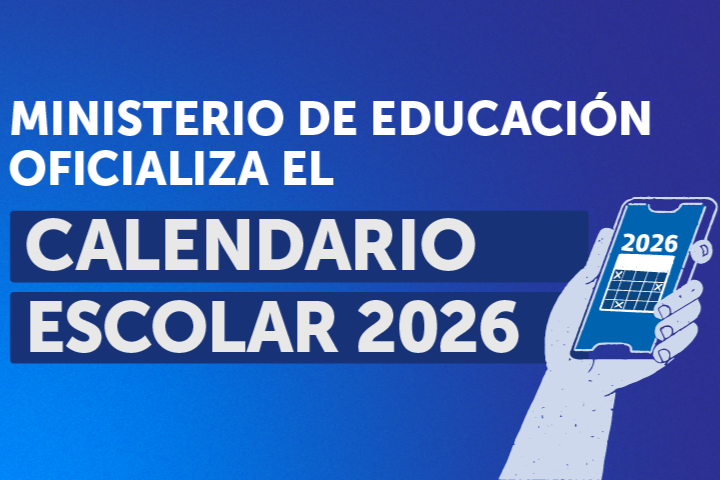
The Chilean Ministry of Education has released the official winter vacation schedule for 2026, setting key dates for Santiago and regional schools that will impact millions of students, teachers, and families across the country.
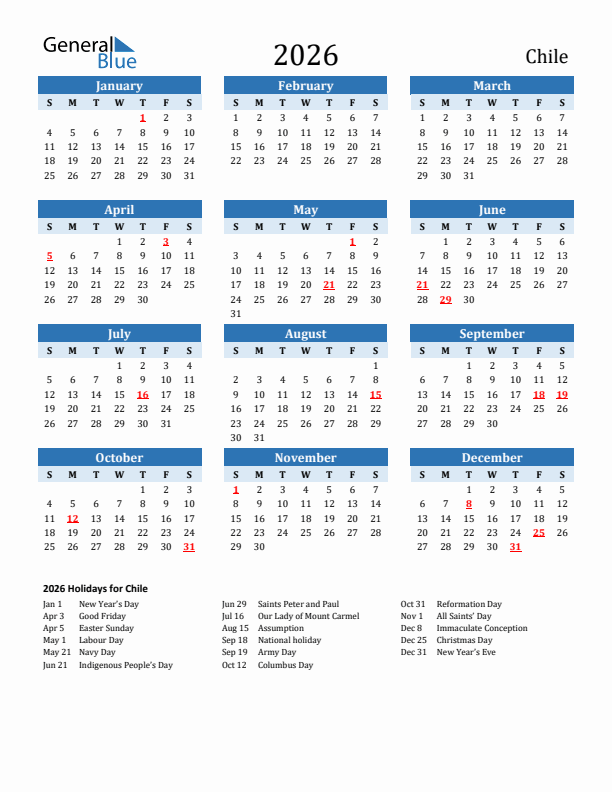
According to the official calendar published by the Ministry of Education (Mineduc), winter break will begin on July 18, 2026, and conclude on August 16, 2026, providing a 30-day recess for students nationwide. The dates align with the southern hemisphere’s winter season, ensuring alignment with regional educational policies and climate conditions.
Why These Dates Matter for Chilean Education
The 2026 winter break represents a slight adjustment from previous years, with the ministry extending the holiday period by two days compared to the 2025 schedule. This change follows a broader trend of lengthening school breaks to accommodate teacher training programs, student well-being initiatives, and logistical planning for the upcoming academic year.
Education officials cited student fatigue and mental health considerations as key factors in the decision, noting that longer breaks have become standard in many Latin American education systems. “We’re prioritizing the balance between academic rigor and student rest,” said a ministry spokesperson, adding that the extended break would also allow for mandatory teacher professional development sessions in early August.
Regional Variations and Key Considerations
While the core winter break dates apply uniformly across Chile, regional schools—particularly those in Patagonia and the Atacama Desert—may adjust start and end times by up to three days to account for local weather patterns and transportation logistics. For example:
- Santiago and central regions: Schools will follow the exact July 18–August 16 schedule.
- Northern regions (Antofagasta, Tarapacá): Breaks may begin July 17 due to earlier holiday closures.
- Southern regions (Magallanes, Aysén): Some districts could extend breaks until August 17 to mitigate extreme winter conditions.
The ministry emphasized that all adjustments would be communicated to parents and students by May 2026, ensuring families can plan accordingly. This transparency aligns with Chile’s 2024 Education Law reforms, which mandate clearer communication between schools and communities.
How This Compares to Past Years
The 2026 winter break marks the first time the ministry has standardized the break length across all regions, previously allowing up to a week of variation. In 2025, the break ran from July 16 to August 14, while 2024 saw a shorter recess from July 18 to August 10.
This year’s extension reflects a shift toward harmonizing educational calendars with broader Latin American trends, where countries like Argentina and Peru have also lengthened winter breaks in response to student well-being studies. According to a 2023 UNESCO report cited by Mineduc, Chilean students ranked among the most overworked in the region, with an average of 220 school days per year—higher than the OECD average of 180.
What Happens Next for Students and Families
With the break dates now confirmed, Chilean families can expect:
- Early planning for travel: Many families use winter break for domestic trips, particularly to coastal areas like Valparaíso or ski resorts in the Andes.
- School supply drives: Nonprofits often launch campaigns in June to stock classrooms for the return in August.
- Teacher training focus: The first two weeks of August will prioritize mandatory workshops, with some schools offering online modules for remote teachers.
The ministry has also advised schools to publish detailed return-to-class protocols by June 2026, including updated health and safety measures. This follows last year’s debates over in-person vs. hybrid learning during winter, which saw some regions implement staggered schedules.
For now, students and educators can mark their calendars—the 2026 winter break is set, and the countdown has begun.
