34 Dust Devils on Mars in One Shot: A Rare Glimpse of the Red Planet’s Dynamic Weather
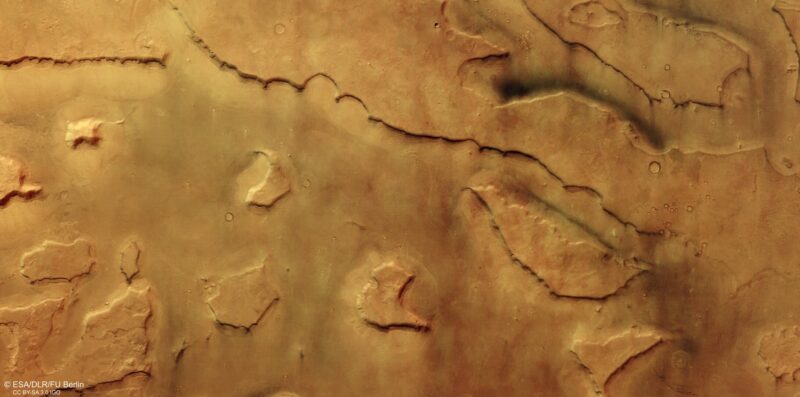
A remarkable image captured by a space agency’s orbiter has revealed an astonishing sight: 34 dust devils swirling across the Martian surface in a single frame. The photograph, taken by the European Space Agency’s (ESA) Mars Express orbiter, offers an unprecedented view of the planet’s atmospheric activity, sparking renewed interest in understanding the forces shaping Mars’ environment. The image, which has since circulated widely in scientific and public forums, highlights the complex interplay between wind, terrain, and dust on the Red Planet.
The discovery underscores the dynamic nature of Mars, a world often perceived as barren and inert. Dust devils—rotating columns of air that lift fine particles from the surface—are common on Mars, but capturing so many in a single image is rare. The event occurred in the Mamers Valles region, a network of ancient valleys that scientists believe once held flowing water. The presence of dust devils in this area provides clues about current weather patterns and the planet’s geological history.
What Happened and How Was It Captured?
The image was captured by the High Resolution Stereo Camera (HRSC) aboard the Mars Express orbiter, which has been orbiting Mars since 2003. The HRSC is designed to map the planet’s surface in high resolution, but its ability to capture atmospheric phenomena like dust devils has proven invaluable. On the day of the observation, the camera’s sensors detected a series of swirling vortices stretching across the Martian landscape, a phenomenon that scientists describe as “a rare alignment of conditions.”
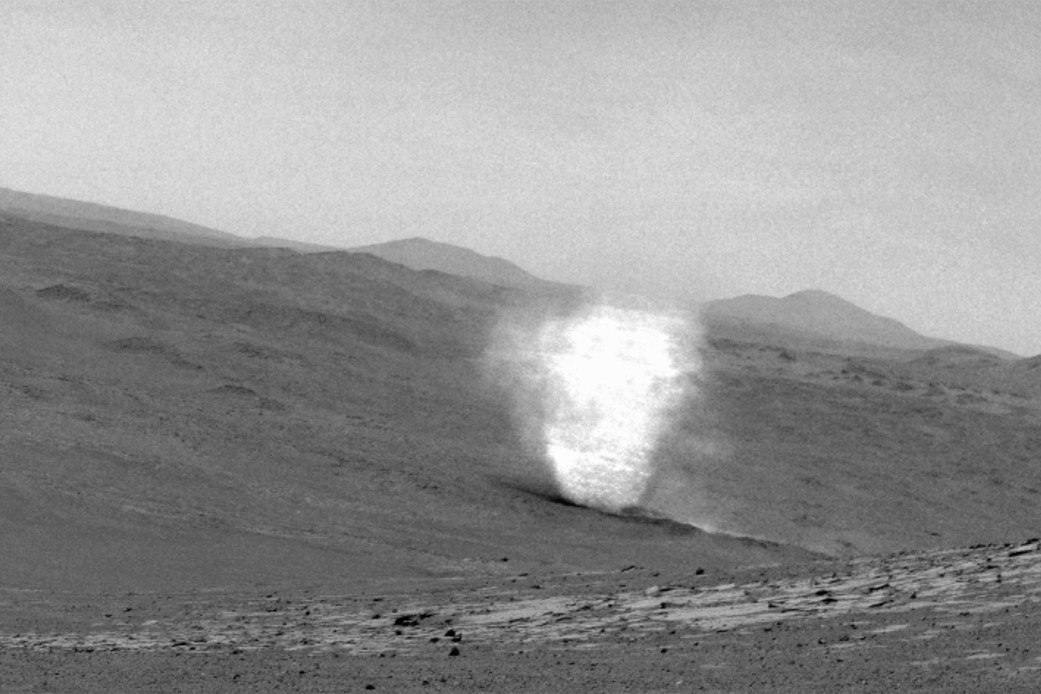
Dust devils form when heated air near the surface rises rapidly, creating a rotation that draws in surrounding dust. On Mars, where the atmosphere is thin and composed mostly of carbon dioxide, these events can be particularly intense. The low gravity and lack of moisture mean that dust particles remain suspended longer, allowing devils to grow taller and last longer than their Earthly counterparts. The 34 devils observed in the image ranged in height from tens to hundreds of meters, with some stretching across the valley floor like a ribbon of swirling sand.
According to a statement from the ESA, the image was taken during a period of heightened atmospheric activity, likely driven by seasonal temperature fluctuations. The Mamers Valles region, located in the northern hemisphere, experiences significant temperature variations, which can trigger the formation of dust devils. “This image is a testament to the planet’s active weather systems,” said a spokesperson for the agency. “It provides a unique opportunity to study how dust and wind interact in an environment so different from Earth’s.”
Why This Discovery Matters for Mars Research
The detection of 34 dust devils in a single image has significant implications for understanding Mars’ climate and geology. Dust devils play a crucial role in redistributing particles across the planet’s surface, which can affect everything from atmospheric opacity to the long-term erosion of rock formations. By studying these events, scientists can better model how Mars’ atmosphere functions and how it has evolved over time.
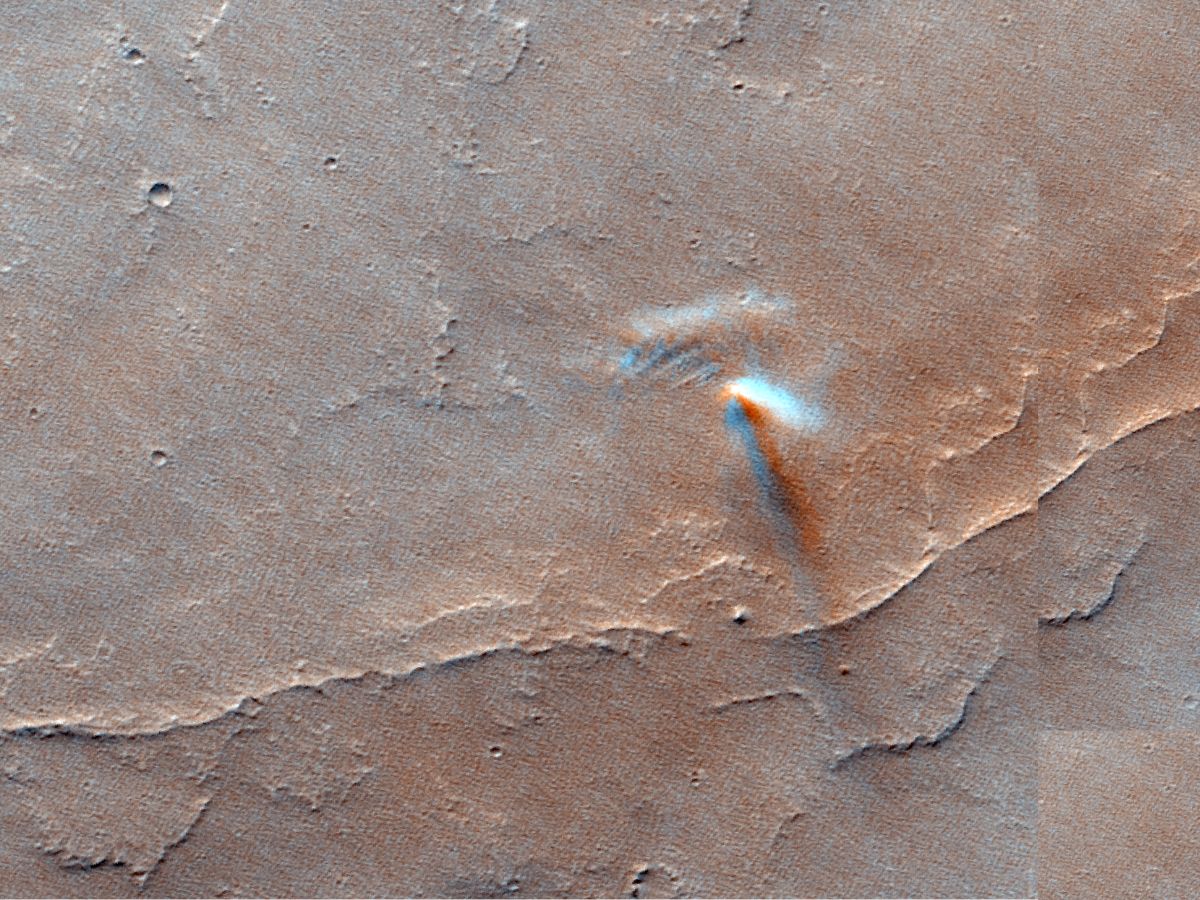
One of the key questions this discovery raises is how frequently such events occur and what conditions are necessary for their formation. While dust devils have been observed before, the sheer number captured in this image suggests that the region was experiencing an unusually active period. This could indicate seasonal changes or broader climatic shifts that are not yet fully understood.
Additionally, the presence of dust devils in Mamers Valles adds to the growing body of evidence that the region may have once been more geologically active. The valleys themselves are thought to have been carved by ancient water flows, and the dust devils’ activity could be linked to the residual moisture or mineral deposits left behind. “This is a critical area for studying Mars’ transitional history,” said Dr. Elena Martinez, a planetary geologist at the University of Oslo. “The combination of ancient valleys and active weather patterns makes it a prime location for future missions.”
How Scientists Are Analyzing the Image
Researchers have begun analyzing the image to extract as much information as possible. High-resolution scans of the photograph reveal intricate details about the structure and movement of the dust devils. By comparing the image to data from other Mars missions, such as NASA’s Mars Reconnaissance Orbiter, scientists can cross-reference their findings and build a more comprehensive picture of the planet’s atmospheric dynamics.
The HRSC’s ability to capture such events is due to its advanced imaging technology, which includes multiple spectral filters. These filters allow researchers to differentiate between dust particles, surface materials, and atmospheric gases. “The clarity of this image is exceptional,” said Dr. James Carter, a planetary physicist at the Jet Propulsion Laboratory. “It’s one of the best examples we’ve seen of dust devils in action, and it will help us refine our models of Martian weather.”
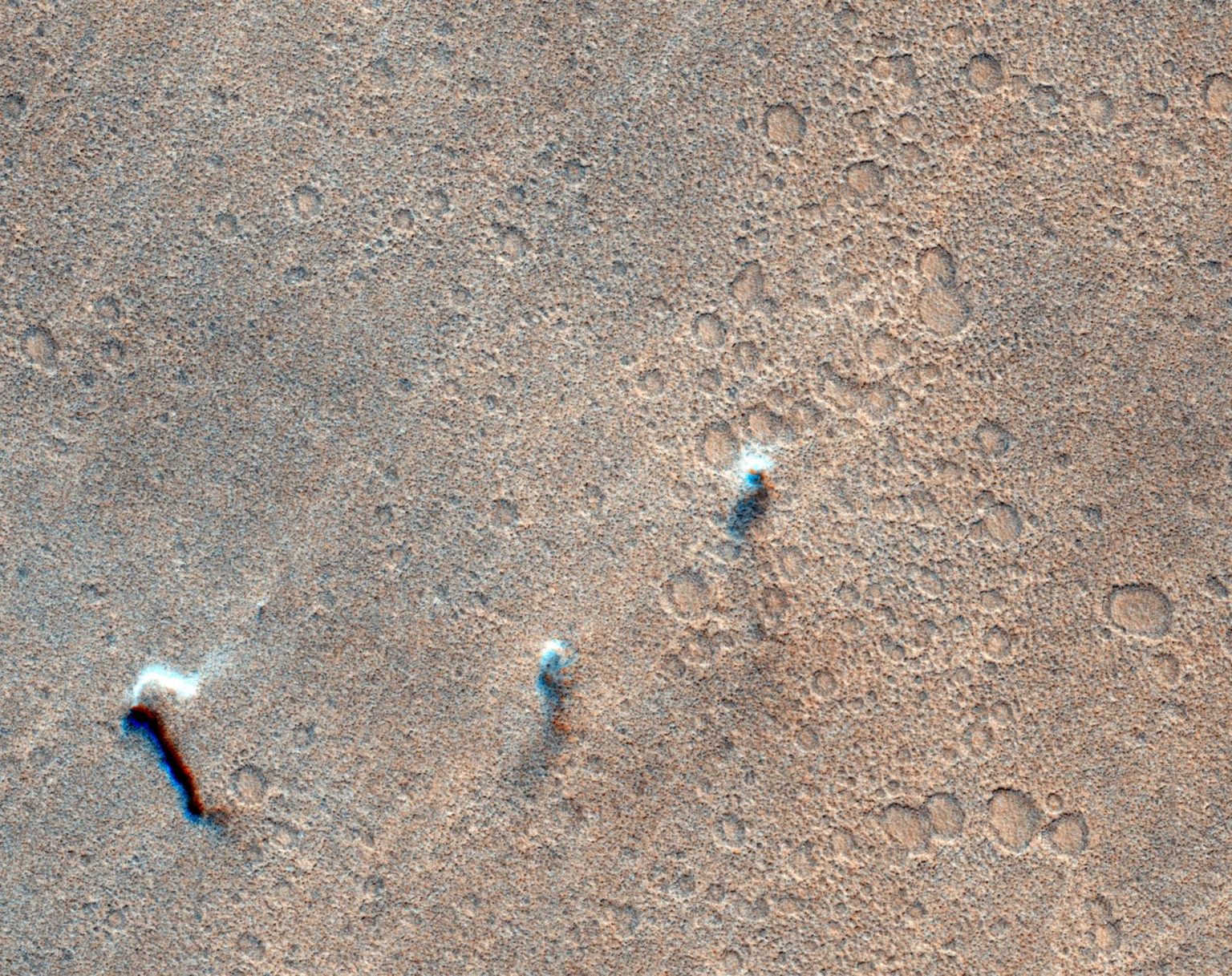
One challenge in analyzing the image is determining the exact timing of the event. The Mars Express orbiter moves at a high speed, and the window for capturing such a phenomenon is narrow. Scientists estimate that the image was taken over a period of just a few minutes, during which the devils were at their most active. This short timeframe makes it difficult to track the evolution of individual devils, but it also highlights the importance of real-time observation in planetary science.
Public and Scientific Reactions
The image has generated widespread interest, both among the scientific community and the general public. Social media platforms have seen a surge of posts sharing the image, with many users attempting to count the dust devils themselves. The challenge of identifying all 34 has become a popular puzzle, reflecting the public’s fascination with space exploration.
Among scientists, the discovery has been met with enthusiasm. “This is a reminder of how much we still have to learn about Mars,” said Dr. Aisha Patel, a researcher at the European Space Agency. “Every new image brings us closer to understanding the planet’s complex systems.” Some experts have also called for increased funding for missions that focus on atmospheric studies, arguing that dust devils could provide insights into broader climate patterns.
The image has also sparked discussions about the potential for future human exploration of Mars. Dust devils can pose risks to equipment and infrastructure, as their strong winds can disrupt operations. Understanding their behavior is critical for planning long-term missions. “If we’re going to establish a presence on Mars, we need to account for these weather phenomena,” said Dr. Michael Nguyen, a space systems engineer. “This image is a valuable resource for mission planners.”
