
Four IDF soldiers killed while fighting in southern Lebanon, military announces – The Jerusalem Post
The Israel Defense Forces (IDF) announced that four soldiers died during combat operations in southern Lebanon. This escalation occurs as Lebanese sources report 18 deaths from Israeli strikes and diplomatic negotiations between the United States and Iran face postponements, according to reports from The Jerusalem Post, BBC, and The New York Times.
What happened during the fighting in southern Lebanon?
The Israel Defense Forces confirmed the deaths of four soldiers during intense engagements in southern Lebanon. According to The Jerusalem Post, the military announced these losses following clashes with Hezbollah forces. This military activity coincides with a broader surge in violence across the border region.
While the IDF focused on its internal losses, reports from Lebanon provided a different perspective on the human cost. The BBC reports that Lebanese authorities state 18 people were killed as a result of Israeli military strikes. These figures highlight the lethal nature of the current exchange, which involves both ground engagements and aerial bombardments.
The fighting is described as “intense” by 10TV, indicating a high volume of fire and direct combat. These clashes are not isolated incidents but part of a volatile pattern of escalation between the Israeli military and Hezbollah, the Lebanese militant group and political party.
Timeline of recent escalations
- IDF Announcement: The military confirmed four soldiers were killed during operations in the south.
- Lebanese Reports: Local sources and the BBC reported 18 deaths resulting from Israeli strikes.
- Diplomatic Shift: US-Iran talks, intended to address regional tensions, were postponed.
- Combat Intensity: 10TV reports a spike in the intensity of strikes and ground fighting.
How does the conflict impact US-Iran diplomacy?
The flare-up in southern Lebanon is occurring simultaneously with a diplomatic freeze between Washington and Tehran. The New York Times and CBS News report that next-phase talks between the U.S. and Iran have been postponed. This delay tests the stability of potential deals and suggests that regional violence may be hindering diplomatic breakthroughs.
Analysts often view Hezbollah as a primary proxy for Iran. When fighting intensifies between the IDF and Hezbollah, it creates a feedback loop that affects the U.S. government’s ability to negotiate with Tehran. The postponement of these talks, as noted by CBS News, indicates that the volatility in Lebanon is a significant variable in the broader geopolitical struggle for Middle East stability.
The timing of the postponed talks is critical. According to The New York Times, the delay comes at a moment when the U.S. is attempting to prevent a full-scale regional war. The death of IDF soldiers and the reported deaths of 18 people in Lebanon increase the political pressure on the Israeli government to respond aggressively, which in turn complicates the U.S. effort to maintain a diplomatic channel with Iran.
Who are the key actors in this escalation?
The current conflict involves several primary stakeholders, each with distinct strategic goals and interests.
The Israel Defense Forces (IDF)
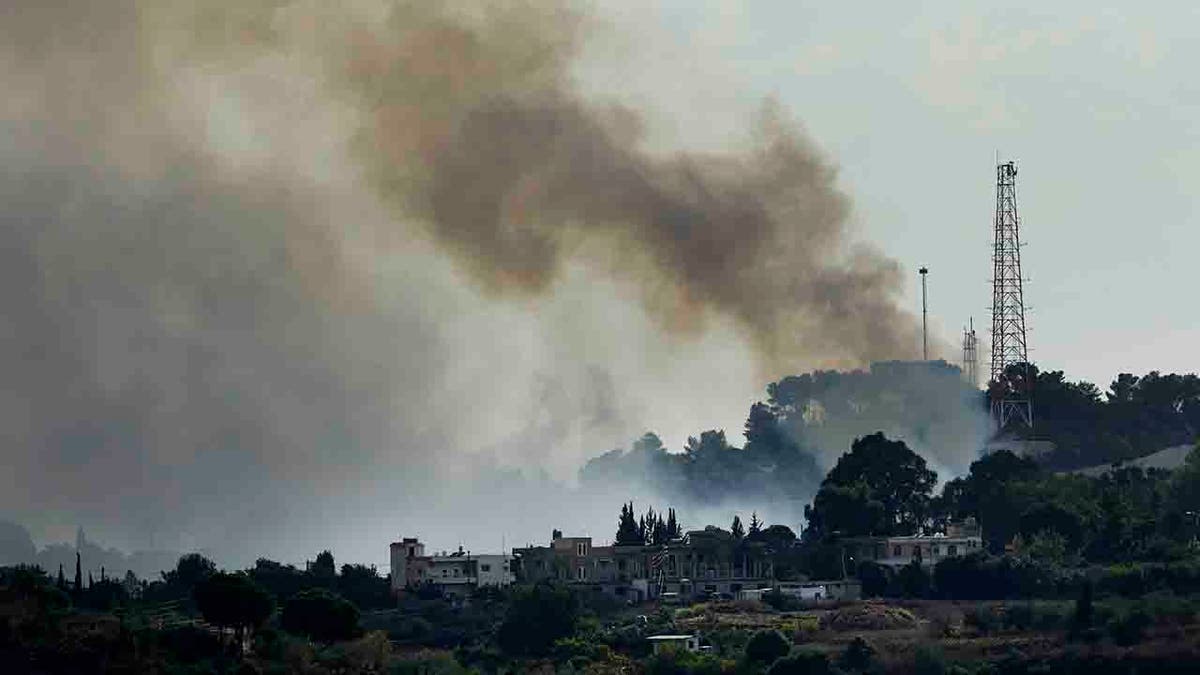
The IDF is focused on neutralizing Hezbollah’s capabilities in southern Lebanon to prevent rocket attacks on northern Israeli towns. The announcement of four soldiers killed emphasizes the risks associated with ground operations in this terrain. The IDF’s strategy involves a mix of targeted airstrikes and tactical ground maneuvers to push Hezbollah forces away from the border.
Hezbollah
Hezbollah operates as both a military force and a political entity within Lebanon. In this conflict, Hezbollah utilizes guerrilla tactics and rocket artillery. The BBC’s report of 18 deaths in Lebanon underscores the impact of the IDF’s counter-attacks on Hezbollah-controlled areas and surrounding civilian infrastructure.
The United States
The U.S. acts as a diplomatic mediator and a primary security partner for Israel. Its current objective, according to CBS News, is to manage the escalation and finalize a deal with Iran. The postponement of talks suggests the U.S. is struggling to balance its support for Israel’s security with the need to prevent a wider Iranian-led regional conflict.
Iran
Iran provides funding, weaponry, and strategic guidance to Hezbollah. By supporting Hezbollah’s operations in southern Lebanon, Iran maintains a “deterrence” mechanism against Israel. The delay in talks with the U.S. may be a strategic move or a result of the increased instability on the ground.
Comparison of reported casualties
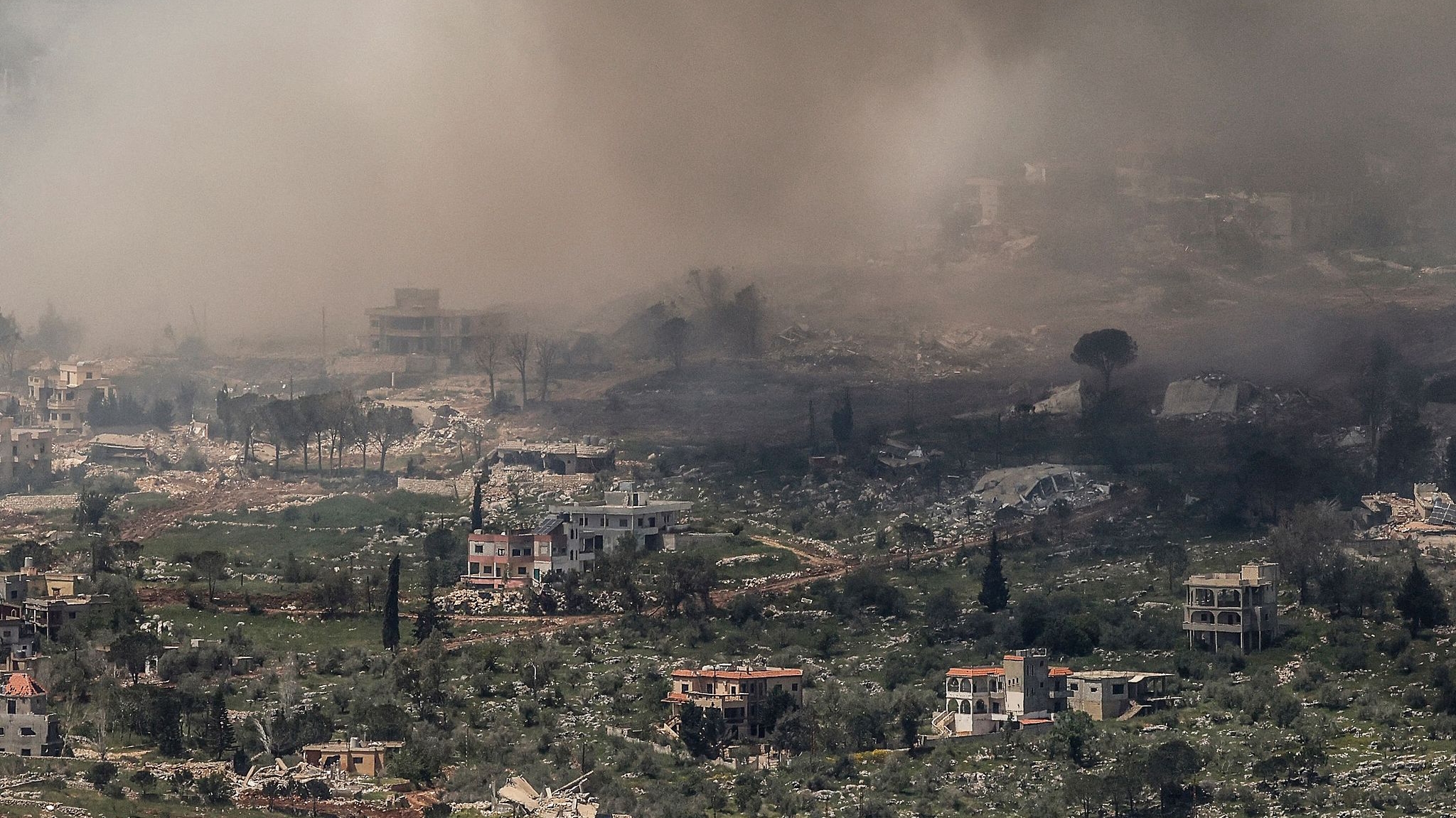
The reporting on casualties differs depending on the source and the party reporting the data. While the IDF focuses on military losses, Lebanese sources report broader death tolls.
| Reporting Entity | Reported Casualties | Context of Loss |
|---|---|---|
| Israel Defense Forces (via Jerusalem Post) | 4 Soldiers | Killed during fighting in southern Lebanon |
| Lebanese Sources (via BBC) | 18 People | Killed by Israeli military strikes |
This disparity in numbers is common in active conflict zones. The IDF reports verified military deaths, while Lebanese reports often include a mix of combatants and civilians. The contrast illustrates the asymmetric nature of the fighting, where high-tech airstrikes are met with ground-based guerrilla warfare.
Why is southern Lebanon a strategic flashpoint?
Southern Lebanon is a critical geographic zone because it serves as the primary buffer between Israel and Hezbollah’s stronghold. For Israel, the area is a security vulnerability; any Hezbollah presence near the border allows for short-range rocket fire into Israeli population centers.
For Hezbollah, maintaining a presence in the south is a matter of strategic depth. It allows them to threaten Israeli infrastructure and maintain leverage in any future negotiations regarding the border. The “intense fighting” reported by 10TV is a direct result of these competing needs for territorial control.
The terrain in southern Lebanon—marked by hills, dense vegetation, and urban clusters—favors the defender. This explains why the IDF faces casualties even when maintaining air superiority. Ground operations in this environment are notoriously dangerous, as evidenced by the four soldiers killed in the recent military announcement.
Factors contributing to the volatility:
- Border Disputes: Long-standing disagreements over the “Blue Line” (the UN-recognized border).
- Proxy Dynamics: The influence of Iran on Hezbollah’s operational decisions.
- Domestic Pressure: The Israeli government’s need to ensure the return of displaced citizens to northern Israel.
- Asymmetric Warfare: The use of tunnels and anti-tank missiles by Hezbollah.
What are the implications of the postponed US-Iran talks?
The postponement of diplomatic talks is more than a scheduling conflict; it is a signal of regional instability. When the U.S. and Iran cannot meet, the “safety valves” of the conflict are removed. This increases the likelihood that tactical mistakes on the battlefield in Lebanon could escalate into a strategic war.

According to The New York Times, the delay tests the U.S.-Iran deal framework. If the U.S. perceives that Iran is using Hezbollah to sabotage diplomatic progress, it may shift its strategy from diplomacy to increased sanctions or military deterrence. Conversely, Iran may view the IDF’s strikes in Lebanon as a reason to harden its position in any future nuclear or security negotiations.
The lack of a diplomatic channel means that communication between the warring parties in Lebanon must happen through intermediaries. This slows down the potential for a ceasefire and increases the risk of miscalculation. The simultaneous occurrence of IDF losses and the diplomatic freeze suggests a period of heightened danger for the region.
Common misconceptions about the Lebanon-Israel conflict
Many observers simplify the conflict as a bilateral fight between Israel and Lebanon. However, the reality is more complex.
Misconception 1: The Lebanese government is directing the fight.
In reality, Hezbollah operates as a “state within a state.” While the Lebanese government exists, Hezbollah maintains its own independent military wing and makes its own decisions regarding combat with the IDF, often without the formal approval of the Lebanese state.
Misconception 2: Airstrikes are the only tool being used.
While the BBC reports 18 deaths from strikes, the IDF’s announcement of four soldiers killed confirms that ground combat is occurring. This indicates that the conflict has moved beyond a mere exchange of missiles and drones into direct, face-to-face fighting.
Misconception 3: US-Iran talks are only about nuclear weapons.
While nuclear proliferation is a core issue, the postponement mentioned by CBS News and The New York Times relates to a broader “deal” that encompasses regional security, the role of proxies like Hezbollah, and the stability of the Middle East.
Frequently Asked Questions
How many IDF soldiers were killed in southern Lebanon?
According to the military announcement reported by The Jerusalem Post, four IDF soldiers were killed while fighting in southern Lebanon.
How many people were reported killed in Lebanon?
The BBC reports that Lebanese sources state 18 people were killed as a result of Israeli military strikes.
Why were the US-Iran talks postponed?
While a specific reason was not detailed in the headlines, The New York Times and CBS News indicate the postponement occurs amid flared fighting between Israel and Hezbollah, suggesting regional instability is testing the diplomatic process.
Who is fighting the IDF in southern Lebanon?
The IDF is engaged in combat with Hezbollah, a militant group and political party based in Lebanon and supported by Iran.
What is the current status of the fighting?
Reports from 10TV describe the fighting as “intense,” involving both Israeli military strikes and ground engagements that have resulted in casualties on both sides.
The convergence of military losses and diplomatic failure creates a precarious environment. With four IDF soldiers dead and 18 reported casualties in Lebanon, the focus now shifts to whether the postponed US-Iran talks will be rescheduled or if the regional escalation will continue to override diplomatic efforts.
