White House sends text of interim US-Iran agreement to US Congress – Reuters
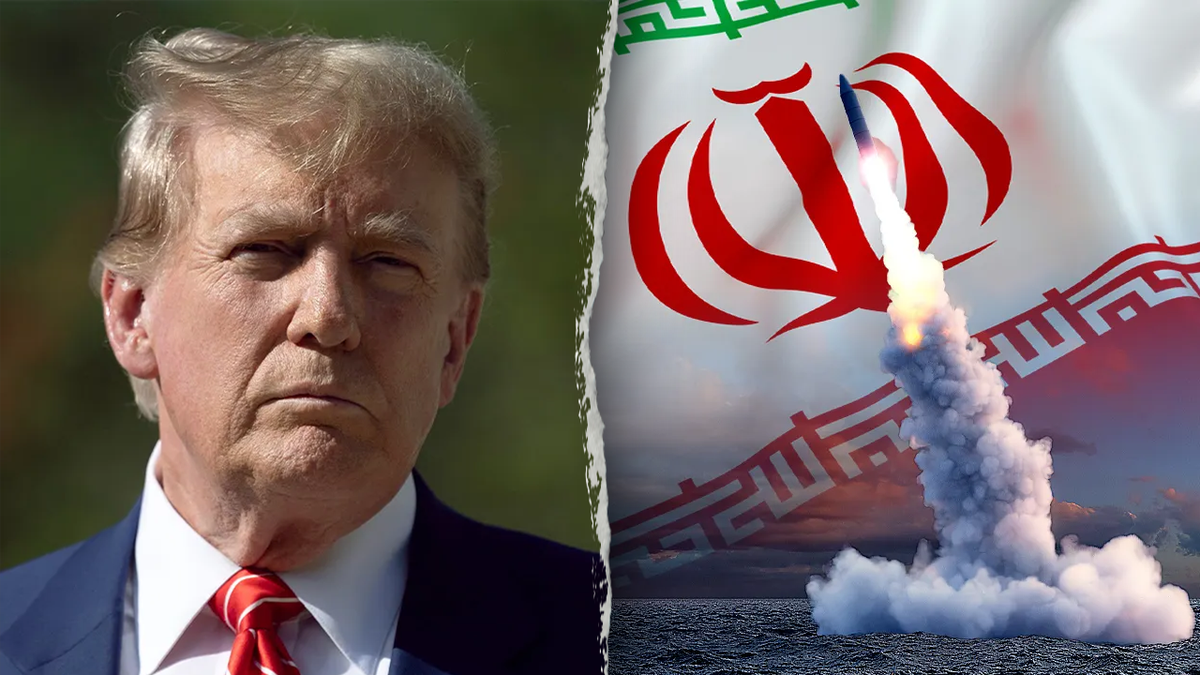
The White House has transmitted the text of an interim agreement between the United States and Iran to the U.S. Congress, according to Reuters. This preliminary accord, signed by President Trump, establishes a temporary framework to stabilize relations and lift specific military restrictions while both nations begin negotiations for a comprehensive final deal.
What are the terms of the preliminary U.S.-Iran agreement?
The interim agreement serves as a bridge between the previous state of high tension and a prospective permanent treaty. According to NPR, the preliminary deal was signed by President Trump to create a baseline of cooperation. While the full text is currently under congressional review, reports indicate the agreement focuses on immediate de-escalation measures rather than a permanent resolution of all nuclear or regional disputes.
NBC News reports that this “sealed” interim deal is designed to facilitate the start of talks on a “final” agreement. This two-step process allows both the U.S. and Iranian governments to test the viability of the partnership before committing to long-term, legally binding constraints. The primary goal of this stage is to move from a posture of confrontation to one of diplomatic negotiation.
Key components of the interim phase include:
- Formal Communication Channels: Establishing direct lines of contact to prevent accidental military escalation.
- Immediate Sanctions Relief: Targeted easing of certain pressures to incentivize Iranian cooperation.
- Military De-escalation: The removal of specific tactical barriers, such as naval blockades.
- Verification Frameworks: Initial agreements on how to monitor compliance during the interim period.
How does the deal affect the global economy and Iran’s trade?
The New York Times reports that the agreement could potentially reconnect Iran to the global economy. For years, stringent U.S. sanctions have isolated Tehran from international banking systems and restricted the export of Iranian oil, which is a cornerstone of its national revenue.
According to the New York Times, the pathway to economic reconnection involves a gradual lifting of sanctions in exchange for verified Iranian concessions. If the interim agreement holds, international firms may find the legal environment more stable for resuming trade. This reconnection would likely impact global energy markets, as a return of Iranian oil to the world market could influence global pricing and supply chains.
The economic implications extend beyond oil. The potential for Iran to re-enter the SWIFT banking system would allow for the movement of frozen assets and the facilitation of non-oil trade, including pharmaceuticals and food imports, which have been hampered by the “over-compliance” of international banks fearing U.S. penalties.
Why did the U.S. military lift the blockade and how has Israel reacted?
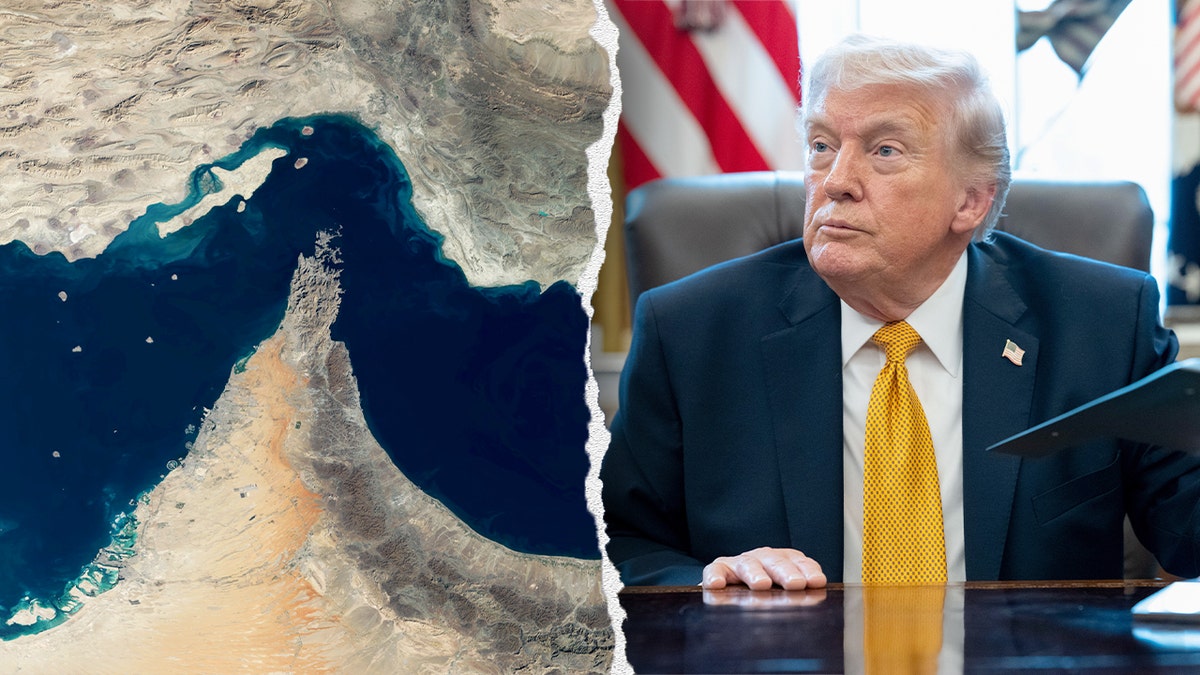
As part of the immediate implementation of the interim terms, the U.S. military has lifted its blockade on Iranian interests. The Washington Post reports that this move was a concrete step to signal the administration’s commitment to the preliminary deal.
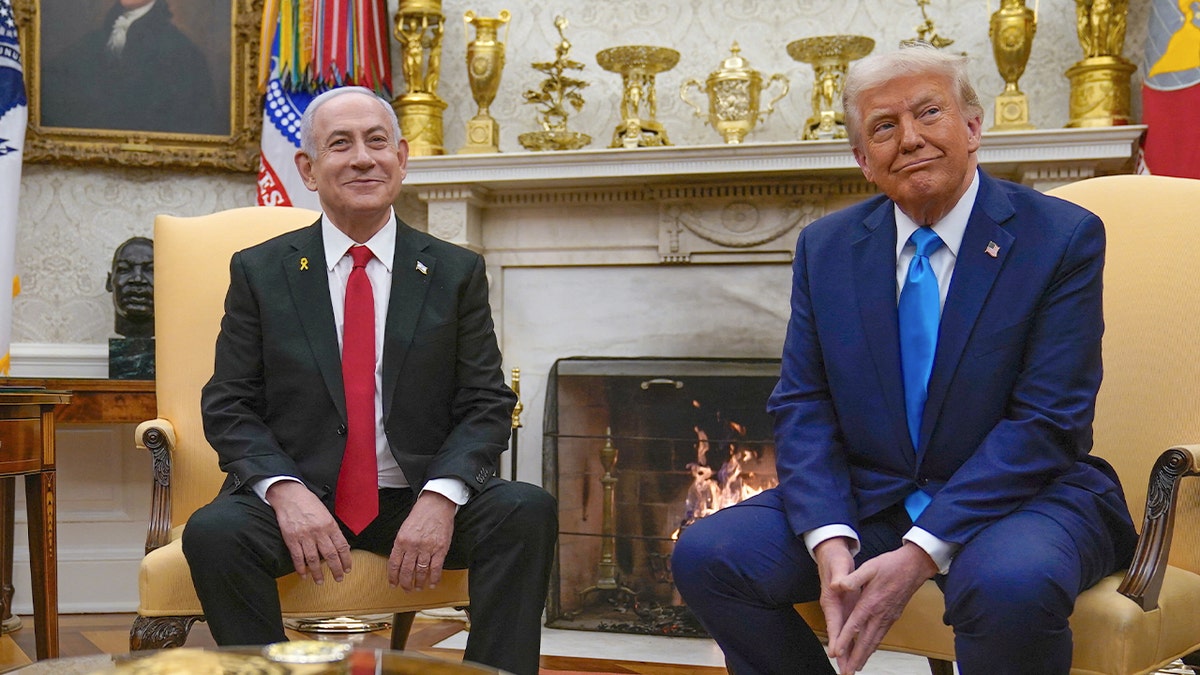
However, this shift in military posture has created friction with U.S. allies. The Washington Post reports that J.D. Vance has criticized the Israeli reaction to the deal, suggesting a divide in how the U.S. and its regional partners perceive the risks of the agreement. Israeli officials have historically viewed any easing of pressure on Iran as a strategic risk, fearing that sanctions relief could provide Tehran with the funds to advance its nuclear program or support regional proxies.
“Vance slams Israeli reaction to Iran deal as U.S. military lifts blockade,” according to reporting by The Washington Post.
The tension highlights a recurring theme in U.S.-Iran diplomacy: the struggle to balance the desire for a diplomatic breakthrough with the security concerns of Israel and other Gulf state allies. The lifting of the blockade is seen by the administration as a necessary gesture of good faith, while critics view it as a premature concession.
What is the difference between the interim deal and the final agreement?
The current document sent to Congress is not a permanent treaty but a provisional arrangement. NBC News clarifies that the “final” deal is the ultimate objective, and the current interim agreement is merely the starting point for those talks.
The distinction is critical for both domestic political reasons in the U.S. and strategic reasons in Iran. An interim deal allows for “off-ramps” if either party fails to meet the initial benchmarks. A final deal, by contrast, would likely include comprehensive limits on Iran’s nuclear capabilities, long-term sanctions removal, and a broader regional security framework.
| Feature | Interim Agreement (Current) | Final Agreement (Proposed) |
|---|---|---|
| Status | Preliminary/Provisional | Permanent/Comprehensive |
| Military Action | Lifting of blockades (WaPo) | Long-term security guarantees |
| Economic Impact | Targeted relief (NYT) | Full global economic reintegration |
| Congressional Role | Review of text (Reuters) | Potential ratification/legislative action |
| Primary Goal | De-escalation and trust-building | Permanent nuclear/regional resolution |
What role does the U.S. Congress play in this process?
The act of the White House sending the text of the agreement to Congress, as reported by Reuters, is a procedural necessity that carries significant political weight. Under U.S. law and tradition, agreements of this magnitude—particularly those involving sanctions and national security—require congressional notification and, in some cases, approval.
Congress now has the opportunity to review the specific language of the interim deal. Legislators will likely focus on:
- Verification: Whether the deal provides enough transparency to ensure Iran is not cheating on its commitments.
- Leverage: Whether the U.S. is giving up too much (such as lifting the blockade) without receiving concrete guarantees in return.
- Duration: The “sunset clauses” or expiration dates attached to the interim measures.
Because the agreement is “interim,” the administration may argue that it does not require a formal treaty ratification, which would need a two-thirds Senate majority. However, Congress can still use its “power of the purse” to block the funding of any activities associated with the deal or pass legislation to reinstate sanctions if the interim phase fails.
Timeline of the U.S.-Iran Diplomatic Shift
The transition from a policy of “maximum pressure” to an interim agreement has occurred through several key milestones. While the specific dates of the current deal’s drafting are internal to the White House, the sequence of events is as follows:
- Negotiation Phase: Secret or indirect talks lead to a preliminary framework.
- The Signing: President Trump signs the preliminary agreement, according to NPR.
- Military Execution: The U.S. military lifts the blockade to demonstrate compliance, as reported by The Washington Post.
- Congressional Notification: The White House transmits the text of the agreement to Congress, according to Reuters.
- The Transition: The start of negotiations for the “final” deal, as noted by NBC News.
This sequence suggests a desire for rapid de-escalation to prevent a larger conflict, using the interim agreement as a “test flight” for a more permanent diplomatic solution. For more on the legal mechanisms of sanctions, see a related explainer on U.S. sanctions law.
Common Misconceptions About the Interim Deal
Given the complexity of international diplomacy, several misconceptions often arise during the reporting of such agreements. Based on the provided sources, the following clarifications are necessary:
Misconception 1: This is a return to the JCPOA (Nuclear Deal).
The current agreement is a new, interim framework signed by President Trump. While it shares the goal of nuclear limitation and sanctions relief, it is a distinct preliminary accord intended to lead to a new “final” deal, rather than a simple reinstatement of the 2015 agreement.
Misconception 2: All sanctions have been lifted.
The New York Times reports that the deal *could* reconnect Iran to the global economy, but this is a process, not an overnight event. The interim deal provides targeted relief, not a blanket removal of all U.S. sanctions.
Misconception 3: The U.S. and Iran have fully resolved their differences.
NBC News emphasizes that this is a “preliminary” agreement. The most difficult issues—likely including long-term nuclear limits and regional influence—are reserved for the “final” deal negotiations.
FAQ: Understanding the U.S.-Iran Interim Agreement
What does “interim agreement” mean in this context?
An interim agreement is a temporary, provisional deal. In this case, it acts as a stopgap to reduce immediate tensions and lift military blockades while the U.S. and Iran negotiate a more permanent, comprehensive treaty.
Why did the White House send the text to Congress?
According to Reuters, the White House sent the text to Congress to comply with oversight requirements. This allows lawmakers to review the terms, ensure national security interests are protected, and determine if further legislative action is needed.
Will this deal immediately stop all hostilities?
While the lifting of the blockade (reported by The Washington Post) is a major step toward de-escalation, the agreement is a framework for talks. It reduces the risk of immediate conflict but does not resolve the underlying geopolitical disputes.
How does this affect oil prices and the global economy?
The New York Times suggests that if the deal successfully reconnects Iran to the global economy, the return of Iranian oil exports could increase global supply, potentially lowering prices and altering energy market dynamics.
Is the “final” deal already written?
No. NBC News reports that the interim deal is the precursor. Now that the preliminary agreement is sealed, talks on the “final” deal are just beginning.
The success of this diplomatic gamble depends on whether the interim measures—such as the lifting of the blockade and the transmission of the text to Congress—create enough trust to sustain the difficult negotiations required for a permanent peace.
