
Certain individuals are more prone to mosquito bites than others, a phenomenon often described as being a “mosquito magnet.” While the experience of being targeted by these insects is common, research indicates that this attraction is not random but is driven by specific biological and lifestyle factors.
Factors Influencing Attraction
Evidence suggests that certain physiological states and habits increase the likelihood of attracting mosquitoes. Specifically, pregnant women and individuals who consume beer have been identified as groups that mosquitoes are more likely to target.
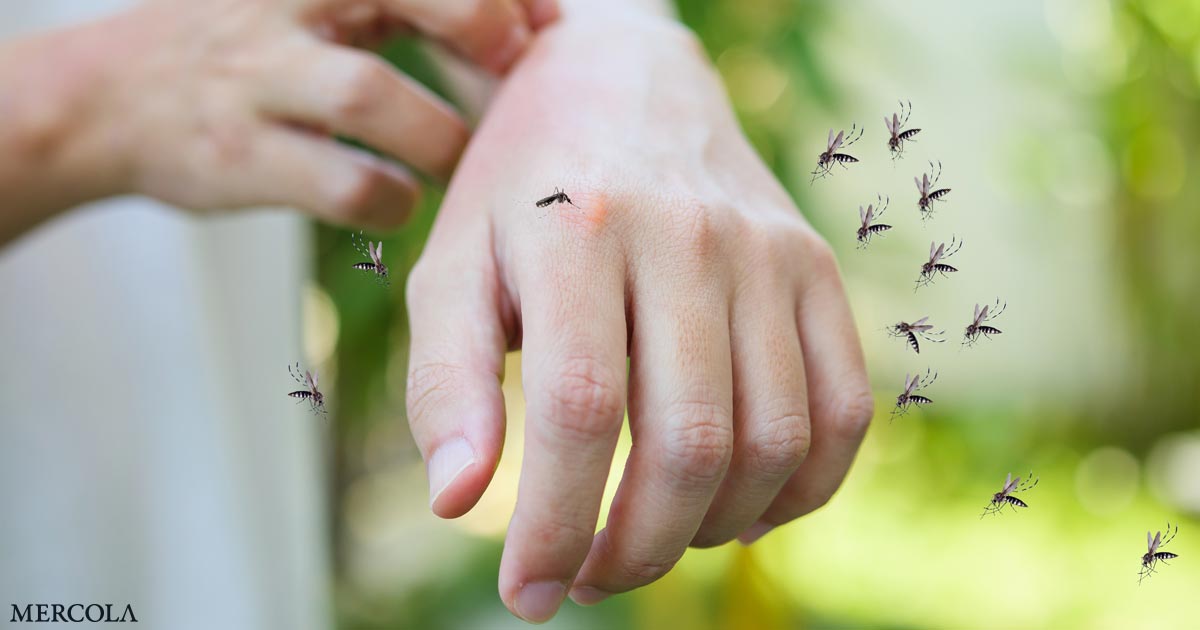
Beyond lifestyle and physiological status, genetic markers play a significant role. In the case of tiger mosquitoes, research shows a distinct preference for a specific blood group, which attracts these insects 83% more than other blood types.
Ecological Role and Public Response
While mosquitoes are primarily viewed as nuisances or vectors for disease, they also fulfill a specific, though often overlooked, role within the natural ecosystem. The impact of these insects on the environment remains a point of discussion among those studying natural biodiversity.
The persistence of these pests has led to a high demand for preventative measures. In France, for example, consumer trends reflect this urgency, with one particular anti-mosquito spray recording more than 700 sales in a single month.
