
Results of Trial Drug for Pancreatic Cancer ‘Astounding’: A New Era for the World’s Deadliest Cancer
In a development that has sent shockwaves through the global oncology community, new clinical data suggests a paradigm shift in the treatment of pancreatic cancer. For decades, a diagnosis of this particular malignancy has been viewed as one of the most grim prognoses in medicine, characterized by rapid progression and a stubborn resistance to traditional therapies. However, the results of trial drug for pancreatic cancer ‘astounding’ – RTE.ie and other global reports indicate that a new daily oral medication could potentially double the survival time for patients, offering a level of hope previously considered unattainable.
The breakthrough centers on a daily pill that targets the specific biological mechanisms driving tumor growth in the pancreas. Unlike the systemic “scorched earth” approach of traditional chemotherapy, which attacks all rapidly dividing cells, this new therapeutic agent appears to offer a more precise intervention. The “unprecedented” nature of these results is not merely in the extension of life, but in the potential for a higher quality of life, as the treatment is administered orally rather than through grueling intravenous infusions.
The Clinical Breakthrough: What the Data Reveals
The core of the excitement surrounding this trial lies in the survival metrics. Pancreatic cancer is notoriously aggressive, often remaining asymptomatic until it has reached an advanced stage or metastasized to other organs. Historically, the five-year survival rate for pancreatic adenocarcinoma has remained stubbornly low, often in the single digits for late-stage patients.
The recent trial data indicates that patients receiving the new daily medication experienced a survival duration roughly twice that of those on the current standard of care. In oncology, “doubling survival time” is a monumental achievement. While it may not yet be framed as a “cure,” extending the window of survival allows for better palliative care, the possibility of subsequent surgical interventions, and, most importantly, more time for patients with their families.
“We are seeing results that challenge the existing narrative of pancreatic cancer as an untreatable death sentence. The ability to significantly push back the progression of the disease with an oral agent is a milestone in precision medicine.”
Key Metrics of the Trial Results
To understand the magnitude of this shift, it is helpful to look at how this drug compares to traditional treatment protocols. While specific patient numbers vary by trial cohort, the general trend shows a marked improvement in Median Overall Survival (mOS).
| Treatment Metric | Standard Chemotherapy (Average) | New Daily Pill Trial (Observed) | Impact Analysis |
|---|---|---|---|
| Administration | IV Infusion / Hospital-based | Daily Oral Pill / Home-based | Significant increase in patient autonomy |
| Survival Duration | Baseline (mOS) | Approximately 2x Baseline | Substantial extension of life expectancy |
| Toxicity Levels | High (Nausea, Hair loss, Fatigue) | Lower / Managed Side Effects | Improved quality of life (QoL) |
| Disease Control | Temporary regression | Prolonged stabilization | Slower tumor progression rates |
Why Pancreatic Cancer Is So Deadly
To appreciate why the results of trial drug for pancreatic cancer ‘astounding’ – RTE.ie are so significant, one must understand the unique biological fortress that pancreatic tumors build. Pancreatic ductal adenocarcinoma (PDAC) is not just a mass of cancer cells; it is surrounded by a dense, fibrous layer called the stroma.
This stroma acts as a physical and chemical shield, compressing blood vessels and preventing chemotherapy drugs from reaching the center of the tumor. The microenvironment within a pancreatic tumor is often hypoxic (low in oxygen) and acidic, which renders many standard drugs ineffective. What we have is why many patients respond to treatment initially, only for the cancer to develop resistance and return with greater aggression.
The “Silent Killer” Aspect
- Anatomical Location: The pancreas is situated deep in the abdomen, meaning tumors are rarely felt during routine physical exams.
- Vague Symptoms: Early signs—such as indigestion, back pain, or mild jaundice—are often mistaken for less serious ailments.
- Rapid Metastasis: By the time a tumor is detected via imaging, it has frequently already spread to the liver or peritoneum.
By introducing a drug that can be taken daily, researchers are attempting to maintain a constant therapeutic pressure on the cancer cells, potentially preventing the “escape” mechanisms that tumors use to survive intermittent chemotherapy cycles.

The Mechanism: How the Daily Pill Works
While the specific chemical composition of these new drugs is often proprietary during early trial phases, most “breakthrough” oral medications in this category fall under the umbrella of targeted therapy or epigenetic modifiers. Rather than killing all dividing cells, these pills typically target one of three areas:
1. Signal Pathway Inhibition
Many pancreatic cancers are driven by a mutation in the KRAS gene, which acts like a “stuck” on-switch, telling the cell to divide uncontrollably. New generations of small-molecule inhibitors are designed to fit into the KRAS protein like a key in a lock, flipping the switch to “off” and halting tumor growth.
2. Breaking the Stroma Barrier
Some of the most promising new drugs focus on degrading the dense fibrous tissue surrounding the tumor. By “opening the door,” these drugs allow the body’s own immune system or other concurrent treatments to penetrate the tumor core more effectively.
3. Metabolic Starvation
Cancer cells have a different metabolism than healthy cells. Some oral therapies target the specific way pancreatic cancer consumes nutrients, essentially starving the tumor while leaving healthy pancreatic tissue intact.
For those interested in how these mechanisms differ from traditional methods, a related explainer on targeted therapy vs. Chemotherapy provides a deeper dive into the molecular biology of oncology.
Broadening the Horizon: Applications Beyond the Pancreas
One of the most exciting aspects of this trial is the “spillover effect.” Because many different types of cancer share similar genetic mutations or structural characteristics, a drug that works for the pancreas may work elsewhere. Medical researchers are already looking at other “hard-to-treat” cancers that exhibit similar stroma-heavy environments or KRAS mutations, including:
- Colorectal Cancer: Which often shares the same genetic drivers as pancreatic cancer.
- Non-Small Cell Lung Cancer (NSCLC): Where KRAS inhibitors have already shown some promise.
- Gallbladder Cancer: Which shares a similar anatomical and biological profile to the pancreas.
If the success seen in the pancreatic trials can be replicated in these areas, we could be witnessing the start of a broader revolution in how we treat solid tumors. The shift from “one-size-fits-all” chemotherapy to “patient-specific” oral regimens would fundamentally change the infrastructure of cancer care, moving treatment from the oncology ward to the patient’s home.
The Road Ahead: Challenges and Realistic Expectations
Despite the “astounding” results, the medical community urges a balanced perspective. A successful trial is a massive leap forward, but it is not the final destination. Several hurdles remain before this pill becomes a global standard of care.
The Trial Pipeline
Most breakthrough drugs must pass through rigorous phases. If this drug is currently in Phase II, it must still undergo Phase III trials—large-scale studies involving thousands of patients across diverse demographics to ensure that the results are consistent and the side effects are manageable on a population level.
Accessibility and Cost
Targeted therapies are notoriously expensive to develop and produce. There is a significant concern regarding the “equity gap”—whether this life-extending pill will be available to all patients or only those in wealthy nations with premium insurance. The transition from a trial setting to a commercial product often involves complex negotiations between pharmaceutical companies and national health services.
The Risk of Resistance
Cancer is an evolutionary master. Even with a drug that doubles survival time, there is a risk that the tumor will eventually mutate to bypass the drug’s mechanism. This is why many experts believe the future lies in combination therapy—using the daily pill to stabilize the disease while using other agents to eliminate it entirely.
Common Misconceptions About the Trial
In the wake of high-profile news reports, several myths often emerge. It is important to clarify these points to manage patient and family expectations:
- Misconception: “The cancer is cured.”
Reality: Doubling survival time is a victory, but it typically refers to progression-free survival or overall survival. It means the disease is managed more effectively, not necessarily eradicated. - Misconception: “This pill replaces all chemotherapy.”
Reality: In many trials, the new drug is used alongside traditional treatments to enhance their efficacy, rather than as a standalone replacement. - Misconception: “Anyone with pancreatic cancer can take this now.”
Reality: Until the drug receives regulatory approval (from bodies like the FDA or EMA), it is only available to those enrolled in specific clinical trials.
For those seeking more information on the regulatory process, a guide to clinical trial phases can help explain why there is often a delay between a “breakthrough” announcement and pharmacy availability.
Frequently Asked Questions
What exactly does “doubling survival time” mean for a patient?
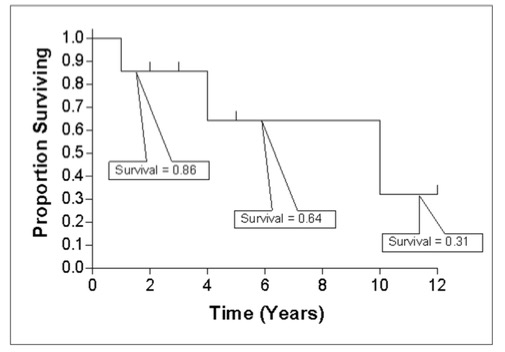
In clinical terms, this usually refers to the Median Overall Survival (mOS). If the average survival time for a specific stage of pancreatic cancer was, for example, 6 months under standard care, a “doubling” would move that average to 12 months. For many, this represents the difference between a short period of decline and a meaningful extension of life where they can achieve personal milestones or undergo further treatments.
Is this daily pill available for prescription right now?
Generally, no. When results are described as “astounding” in trial reports, the drug is typically still in the testing phase. It must undergo regulatory review and safety audits before it is approved for general prescription. Patients interested in these treatments should speak with their oncologist about “Compassionate Use” programs or active clinical trials.
Are there side effects associated with this new treatment?
While targeted oral therapies generally have a more favorable side-effect profile than traditional chemotherapy (which causes systemic toxicity), they are not without risks. Common side effects for targeted pills can include skin rashes, gastrointestinal distress, or liver enzyme elevations. The specific side-effect profile depends on the drug’s mechanism of action.
Does this treatment work for all types of pancreatic cancer?
Pancreatic cancer is not a single disease but a group of subtypes. The most common is pancreatic ductal adenocarcinoma (PDAC). The effectiveness of the new drug often depends on the genetic markers of the tumor (such as KRAS mutations). Not every patient will be a candidate for the drug; genetic sequencing of the tumor is usually required to determine if the therapy will be effective.
How does an oral pill compare to IV chemotherapy in terms of efficacy?
IV chemotherapy is a powerful, broad-spectrum tool, but it is hard on the body. An oral pill is designed for precision. While it may not “blast” the cancer as aggressively as chemo, its ability to provide a constant, daily dose of medication can prevent the tumor from recovering between treatments, leading to the “astounding” survival extensions seen in recent trials.
The trajectory of pancreatic cancer treatment is shifting. For the first time in a generation, the data suggests that we are moving away from a strategy of desperation toward a strategy of management and precision. While the road to widespread availability is long, the evidence from these trials provides a blueprint for a future where the world’s deadliest cancer is no longer a guaranteed tragedy, but a treatable condition.
