
War Department Signs $9.7B Technology Deal With Dell for Microsoft Services – U.S. Department of War (.gov)
In a massive overhaul of its digital infrastructure, the War Department Signs $9.7B Technology Deal With Dell for Microsoft Services – U.S. Department of War (.gov), marking one of the most significant procurement shifts in recent military history. This multi-billion dollar agreement is designed to streamline the Pentagon’s fragmented software ecosystem, consolidate vendor relationships, and drastically reduce the operational inefficiencies known as “license sprawl.” By leveraging Dell’s hardware and integration capabilities alongside Microsoft’s enterprise software suite, the Department of War aims to create a unified, secure, and cost-effective technological backbone for its global operations.
The scale of this investment reflects a broader strategic pivot toward modernization. For years, the U.S. Military has struggled with a patchwork of legacy systems and overlapping software licenses that have led to redundant spending and security vulnerabilities. This new partnership is not merely a purchase of software and servers; it is a structural realignment of how the Department of War manages its data, communications, and administrative workflows. However, the deal has already sparked intense scrutiny due to the timing of significant political contributions, raising questions about the intersection of corporate philanthropy and government contracting.
Understanding the Scope of the $9.7 Billion Investment
The sheer magnitude of this contract underscores the critical nature of IT infrastructure in modern warfare. While the public often focuses on kinetic weapons and aircraft, the “digital battlefield” relies entirely on the efficiency of the back-end services that move data from the command center to the tactical edge. The War Department Signs $9.7B Technology Deal With Dell for Microsoft Services – U.S. Department of War (.gov) focuses on three primary pillars: hardware integration, software standardization, and long-term lifecycle management.
Dell, acting as the primary integrator, will be responsible for providing the high-performance computing power and server architecture necessary to host Microsoft’s vast array of services. This includes everything from cloud computing environments to productivity software and advanced security protocols. By bundling these services through a single primary contractor, the War Department hopes to avoid the logistical nightmare of managing hundreds of separate contracts with various vendors.
The Battle Against “License Sprawl”
One of the central justifications for this deal is the eradication of “license sprawl.” In large government bureaucracies, different departments often purchase the same software independently. For example, the Army, Navy, and Air Force might each maintain separate licenses for the same productivity tool, resulting in higher costs and a lack of interoperability.
- Redundant Costs: Paying for the same service multiple times across different organizational branches.
- Interoperability Gaps: Different versions of software preventing seamless data sharing between military branches.
- Security Risks: “Shadow IT,” where unauthorized software is used because official channels are too slow or fragmented.
- Administrative Burden: The immense manpower required to track thousands of expiring licenses across the global enterprise.
By consolidating under a single, massive agreement, the Department of War can negotiate “enterprise-level” pricing, which is significantly lower per user than fragmented departmental purchases.
| Feature | Previous Fragmented Model | New Consolidated Model |
|---|---|---|
| Pricing | Departmental / Retail Rates | Enterprise / Bulk Negotiated Rates |
| Management | Decentralized (Many Points of Contact) | Centralized (Single Vendor Management) |
| Deployment | Inconsistent across branches | Standardized across the War Department |
| Security | Patchwork updates | Unified security baseline |
The Strategic Partnership: Dell and Microsoft
The synergy between Dell and Microsoft is a cornerstone of this agreement. While Microsoft provides the “brains” (the software, cloud services, and AI integration), Dell provides the “brawn” (the physical servers, storage arrays, and edge computing devices). In a military context, this is essential because the War Department cannot rely solely on the public cloud; it requires “on-premises” or “edge” capabilities where internet connectivity is limited or non-existent.
“Modern defense is no longer just about hardware; it is about the seamless integration of data. By combining world-class infrastructure with enterprise software, the goal is to ensure that the right information reaches the right operator in real-time, regardless of where they are in the world.”
Role of Dell in the Ecosystem
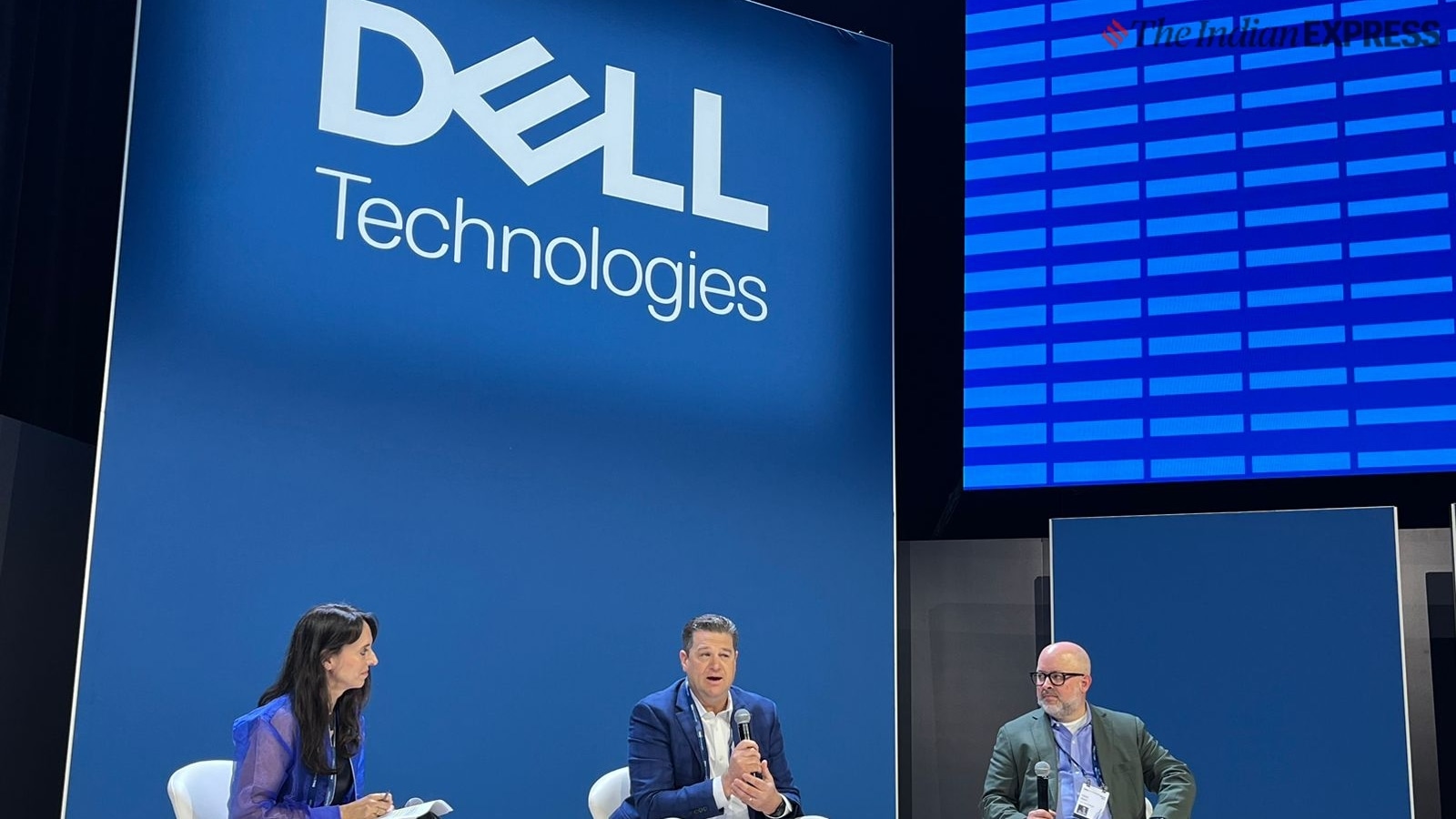
Dell’s role extends beyond selling hardware. They are tasked with the deployment and maintenance of the infrastructure that will run Microsoft services. This includes the implementation of hyper-converged infrastructure (HCI), which allows the War Department to scale its computing power up or down rapidly depending on the operational need. This flexibility is vital for rapid deployments during crises.
Role of Microsoft in the Ecosystem
Microsoft’s contribution centers on its cloud-native capabilities and its suite of collaboration tools. Beyond the familiar Office apps, the deal likely encompasses Azure Government, a specialized cloud environment designed to meet the strict regulatory and security requirements of the U.S. Government. This allows for the hosting of sensitive data in a secure, encrypted environment that is isolated from the public internet.
For those interested in how this fits into broader government tech trends, a related explainer on government cloud migration provides further context on the shift from physical data centers to hybrid cloud models.
Controversy and Political Implications
Despite the technical merits of the deal, the War Department Signs $9.7B Technology Deal With Dell for Microsoft Services – U.S. Department of War (.gov) has become a flashpoint for political debate. The controversy stems from reports regarding a massive financial contribution made by Dell’s CEO, Michael Dell, to political accounts associated with the Trump administration shortly before the contract was awarded.
Critics argue that a $6.25 billion donation creates an appearance of a “quid pro quo,” suggesting that the massive government contract may have been a reward for political loyalty rather than a purely merit-based procurement decision. This has led to calls for increased transparency in how the Pentagon awards its largest technology contracts.
The Defense Procurement Process
To understand this controversy, one must understand how defense procurement typically works. Normally, contracts of this size go through a rigorous “Request for Proposal” (RFP) process, where multiple companies bid, and a selection board evaluates them based on technical capability, cost, and past performance. However, the speed and scale of this specific deal have led some to question if the standard competitive process was fully adhered to or if “sole-source” justifications were used to bypass competition.
The Counter-Argument
Supporters of the deal argue that Dell and Microsoft are among the only two companies in the world capable of executing a project of this magnitude. They contend that the technical requirements—specifically the need for a hybrid cloud that can operate in combat zones—narrowed the field of viable candidates so significantly that the outcome was inevitable, regardless of political donations. The timing is coincidental, and the choice was driven by the urgent need to end license sprawl and modernize the military’s digital posture.

Long-Term Impacts on National Security and Industry
The implications of this deal extend far beyond the balance sheets of Dell, and Microsoft. By locking into a specific ecosystem for nearly $10 billion, the War Department is making a long-term bet on a particular technological trajectory. This creates a “vendor lock-in” scenario, where switching to a different provider in the future would be prohibitively expensive and operationally disruptive.
Potential Benefits for National Security
- Increased Speed of Action: Unified systems allow for faster communication between the Pentagon and field commanders.
- Enhanced Cybersecurity: A single, standardized security layer is easier to defend and patch than a thousand different fragmented systems.
- Fiscal Responsibility: If the goal of cutting costs and ending license sprawl is achieved, billions of taxpayer dollars could be redirected toward other defense priorities.
Potential Risks and Drawbacks
- Single Point of Failure: If a critical vulnerability is found in the Microsoft/Dell stack, it could potentially affect the entire War Department simultaneously.
- Stifled Innovation: By favoring two giants, the government may inadvertently shut out smaller, more innovative tech startups that could offer niche solutions.
- Political Volatility: When government contracts are perceived as politically motivated, it can lead to legal challenges and protests from losing bidders, potentially delaying the implementation of critical technology.
Comparing Past Procurement Shifts
This deal mirrors previous attempts by the U.S. Government to consolidate its IT, such as the JEDI (Joint Enterprise Defense Infrastructure) project. JEDI was an attempt to create a single cloud provider for the military, which resulted in years of legal battles between Amazon and Microsoft. The current approach—using Dell as an integrator for Microsoft services—appears to be a more pragmatic middle ground, acknowledging that the government needs both a software provider and a hardware partner to succeed.
Unlike JEDI, which sought a “winner-take-all” cloud provider, this deal focuses on the application of those services through a hardware partner. This suggests the War Department has learned that software alone is not enough; the physical infrastructure must be equally modernized to support the cloud.
For a deeper dive into the legal complexities of these deals, see our analysis of defense contract litigation.
Common Misconceptions About the Deal
In the wake of the announcement, several misconceptions have circulated in public discourse. It is important to clarify these points to maintain a factual understanding of the event.
Misconception 1: This is just a “software purchase.”
In reality, this is an infrastructure project. Buying software is easy; integrating it into a secure, global military network that must survive electronic warfare is an immense engineering challenge. The deal covers the physical servers and the labor required to make them work.
Misconception 2: This replaces all other tech in the military.
The military will always use specialized tools for specific missions (e.g., missile guidance, satellite communications). This deal targets the “enterprise” layer—the administrative and operational software that runs the day-to-day business of the War Department.
Misconception 3: The donation automatically proves corruption.
While the optics are poor, a legal “quid pro quo” requires proof of a direct agreement. Without such evidence, the deal remains a matter of political debate and ethical scrutiny rather than a proven legal violation.
Frequently Asked Questions
What is “license sprawl” and why is the War Department fighting it?
License sprawl occurs when an organization has too many redundant software subscriptions across different departments. This leads to wasted money, as the organization pays for the same tool multiple times, and creates security risks because there is no central oversight of what software is being used.
Why was Dell chosen instead of just going directly to Microsoft?
Microsoft provides the software and cloud services, but the War Department needs physical hardware (servers, storage, etc.) to run those services, especially in secure or remote locations. Dell acts as the integrator, providing the hardware and the technical expertise to deploy Microsoft’s services on that hardware.

How does this deal affect the average taxpayer?
In the short term, it represents a massive expenditure of $9.7 billion. In the long term, the government claims it will save money by eliminating redundant licenses and reducing the cost of maintaining fragmented systems.
Is this deal related to the previous JEDI cloud contract?
While not the same project, it follows the same goal of cloud modernization. The shift toward a Dell/Microsoft partnership suggests a move toward a hybrid model (combining cloud and on-premises hardware) rather than the pure-cloud approach attempted with JEDI.
What is the significance of the $6.25 billion donation mentioned in reports?
The donation was made by Dell’s CEO to political accounts linked to the administration. Because the contract was awarded shortly after, critics suggest the deal may have been influenced by political contributions rather than technical merit.
The Path Forward for Defense Technology
As the War Department Signs $9.7B Technology Deal With Dell for Microsoft Services – U.S. Department of War (.gov) moves into the implementation phase, the focus will shift from the contract’s price tag to its actual performance. The success of this initiative will be measured by whether the Department of War can actually reduce its operational costs and if the “license sprawl” is truly eliminated.
this deal sets a precedent for how the U.S. Government handles “Massive Tech” partnerships. By leaning heavily on a few massive corporations, the government gains efficiency and scale but sacrifices a degree of flexibility and competition. The coming years will reveal if this trade-off was a strategic masterstroke or a risky over-reliance on a corporate duopoly.
Observers should keep a close eye on the rollout of these services in the field. If the integration is seamless, it could serve as a blueprint for other government agencies. If it falters under the weight of its own complexity, it may lead to another round of costly procurement pivots and congressional hearings.
