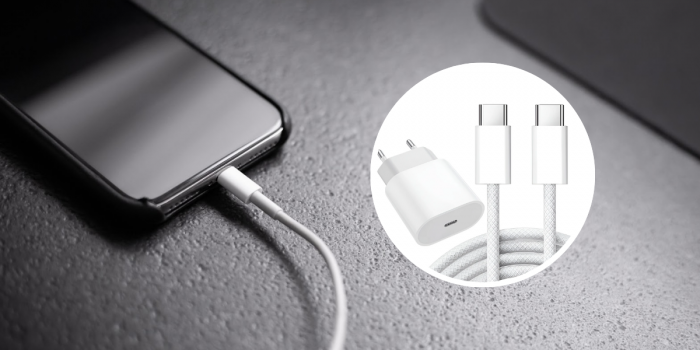
Chile’s National Consumer Service (Sernac) has mandated the use of universal USB-C chargers for electronic devices sold within the country. According to local media reports, Sernac will issue fines to brands that fail to comply with this hardware standard to reduce electronic waste and lower costs for consumers.
- Mandatory Standard: USB-C chargers are now required for electronics sold in Chile.
- Enforcement: Sernac will impose financial penalties on non-compliant brands.
- Objective: The policy aims to curb the accumulation of electronic waste (e-waste).
How the USB-C Standard Works
USB-C, or USB Type-C, is a 24-pin connector system designed to replace a variety of older, proprietary charging ports. Unlike previous iterations of USB, the connector is symmetrical, meaning it can be plugged in regardless of orientation. This standardization allows a single cable to handle both high-speed data transfer and power delivery across different device categories, including smartphones, tablets, and laptops.

By requiring a universal port, the mandate eliminates the need for consumers to purchase multiple cables for different brands. This shift reduces the production and disposal of proprietary chargers, which contribute significantly to global e-waste.
Regulatory Enforcement and Penalties
Sernac is taking an active role in monitoring the hardware market to ensure manufacturers adhere to the universal charger requirement. The agency has stated it will penalize companies that continue to sell devices with non-compliant charging ports.
The focus of the enforcement is to prevent brands from locking consumers into proprietary ecosystems through hardware constraints. According to local media reports, the threat of fines serves as the primary mechanism to force rapid adoption of the USB-C standard across all electronics available in the Chilean market.
Impact on Hardware Manufacturers
Brands selling electronics in Chile must now ensure their product pipelines align with the USB-C specification. This requirement forces a transition away from legacy ports or brand-specific connectors.
For manufacturers, this means streamlining hardware design for the region. For consumers, the result is a simplified hardware ecosystem where a single charger can power multiple devices, reducing the overall volume of cables required per household.
