
Xbox Game Studios Navigates Turbulent Leadership Shifts Amid Industry Challenges
Microsoft’s Xbox Game Studios has entered a period of heightened uncertainty following the departures of two senior executives, according to multiple industry reports. The moves come amid broader questions about the division’s strategic direction and operational stability, with insiders citing internal restructuring and shifting market dynamics as potential factors. The leadership changes have sparked speculation about the future of key projects and the studio’s role within Microsoft’s broader gaming ambitions.
What Happened and Who Is Involved?
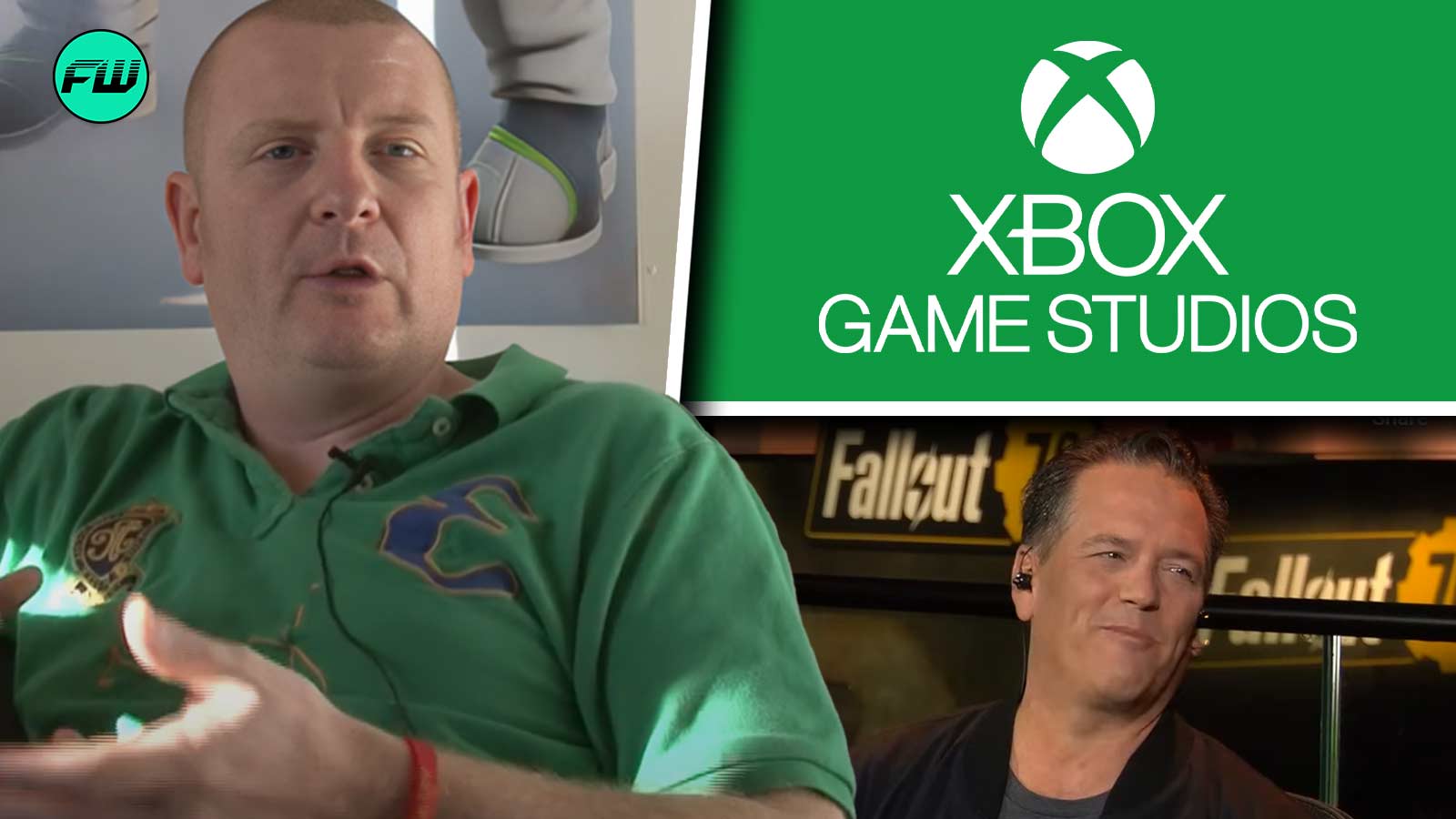
The exodus at Xbox Game Studios began in early 2024, with two high-profile departures that have drawn significant attention from industry observers. According to multiple sources familiar with the situation, the first executive to leave was Craig Duncan, who had served as a senior vice president overseeing creative and production operations. Duncan’s departure followed a decade-long tenure that included oversight of major titles such as *Halo Infinite* and *Forza Horizon 5*. A second executive, reportedly responsible for studio development and talent acquisition, also stepped down around the same time, though their identity has not been publicly disclosed.

Microsoft has not issued an official statement confirming the exits, but internal memos and industry leaks suggest the changes were part of a broader restructuring effort. One source with direct knowledge of the situation described the departures as “a strategic realignment to address evolving challenges in the gaming sector.” The lack of formal communication from the company has left many questions unanswered, with some analysts speculating about the potential impact on ongoing projects and studio morale.
Context and Background: A Changing Gaming Landscape
The timing of these leadership shifts coincides with a period of significant transformation in the gaming industry. As of 2024, the sector is grappling with rising development costs, shifting consumer preferences, and increased competition from emerging platforms. Microsoft’s acquisition of Activision Blizzard in 2023 further complicated the landscape, raising questions about how the combined entities would navigate market pressures and regulatory scrutiny.
Xbox Game Studios has long been a cornerstone of Microsoft’s gaming strategy, responsible for iconic franchises like *Gears of War*, *FIFA*, and *The Outer Worlds*. However, the division has faced criticism in recent years for inconsistent performance, with some titles failing to meet commercial or critical expectations. A 2023 report by the market research firm Newzoo highlighted that Xbox’s market share in console gaming had declined slightly compared to its competitors, though it remained a significant player in the industry.
The leadership changes also occur against a backdrop of internal challenges. In 2023, Xbox experienced a series of high-profile layoffs, with reports indicating that over 1,000 employees were let go across various departments. While Microsoft attributed these cuts to “streamlining operations,” some employees described the process as abrupt and poorly communicated. The recent executive departures have intensified concerns about the stability of the organization, with some industry analysts suggesting that the moves could signal deeper structural issues.
Why These Changes Matter: Implications for Xbox and the Industry
The departures of these two executives are significant for several reasons. First, they represent a loss of experienced leadership at a critical juncture. Duncan, in particular, was known for his role in shaping the creative direction of Xbox’s flagship titles. His exit raises questions about how the studio will maintain its artistic vision and quality standards. The second executive’s role in talent acquisition also suggests potential challenges in retaining skilled developers, a concern given the competitive nature of the gaming industry.

Second, the leadership shifts may have broader implications for Microsoft’s overall gaming strategy. The company has invested heavily in cloud gaming through Xbox Game Pass and xCloud, but these initiatives have faced technical and financial hurdles. The restructuring at Xbox Game Studios could indicate a strategic pivot, with resources being redirected toward emerging technologies or new business models. However, the lack of clear communication from Microsoft has left many industry observers speculating about the company’s long-term plans.
Third, the changes highlight the ongoing challenges of managing a large, complex organization in a rapidly evolving industry. Gaming companies must balance the demands of innovation with the need for financial sustainability, a task that has become increasingly difficult as development costs continue to rise. The recent leadership shifts may reflect Microsoft’s attempt to address these pressures, though the effectiveness of such measures remains to be seen.
Reactions and Expert Perspectives
The news of the executive departures has elicited a range of reactions from industry insiders and analysts. Some view the changes as a necessary step to address internal challenges, while others see them as a sign of deeper instability. A spokesperson for the Game Developers Association, a trade group representing developers across the industry, stated that “leadership transitions are a normal part of corporate life, but they can have a significant impact on studio culture and project timelines.”
Industry analyst Sarah Lin, who specializes in gaming market trends, noted that “the timing of these departures is particularly noteworthy. With Microsoft’s recent acquisition of Activision Blizzard and the ongoing challenges in the gaming sector, the company is under pressure to demonstrate its ability to adapt and innovate.” Lin added that “the real test will be whether the new leadership can maintain the momentum of key projects and address the concerns of both employees and investors.”
Some developers have expressed cautious optimism about the changes. “While it’s always unsettling to see senior leaders leave, I hope this marks the beginning of a more transparent and collaborative approach,” said an anonymous developer who has worked on multiple Xbox titles. “The industry is at a crossroads, and companies need to be agile to survive.”
What’s Next for Xbox Game Studios?
As the dust settles on these leadership changes, several key questions remain unanswered. How will the studio adapt to the loss of its senior executives? What impact will these moves have on ongoing projects and future releases? And how will Microsoft navigate the broader challenges facing the gaming industry?
One potential development is a reevaluation of Xbox Game Studios’ portfolio. With the rise of cloud gaming and the increasing popularity of mobile and PC platforms, the division may need to rethink its approach to game development and distribution. This could involve a greater focus on cross-platform compatibility, subscription-based models, or new forms of interactive entertainment.
Another area of interest is the studio’s relationship with its internal teams. The recent layoffs and leadership changes have raised concerns about employee morale and retention.
