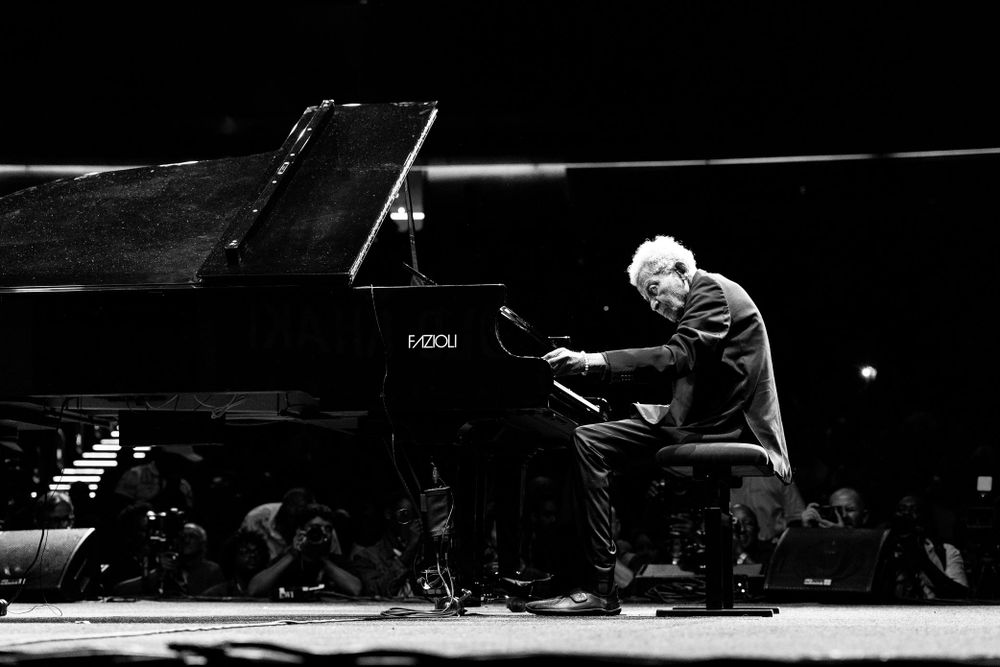
Jazz legend Abdullah Ibrahim dies at 91: How the pianist’s final bow reshaped South African music and global jazz
Legendary South African pianist and composer Abdullah Ibrahim passed away at 91, leaving behind a musical legacy that bridged continents and generations. Confirmed by sources close to the family, Ibrahim—better known by his former name Dollar Brand—died in Germany, where he had lived for decades. His death has triggered an outpouring of tributes from musicians, activists, and cultural institutions worldwide, underscoring his dual role as a jazz innovator and a voice for anti-apartheid resistance.
Ibrahim’s final performance in 2023 at the Berlin Jazz Festival marked the end of an era for a man who had redefined jazz’s boundaries, blending African rhythms with Western classical and avant-garde influences. His music, deeply political yet universally resonant, earned him global acclaim—including a Grammy nomination—and cemented his place as one of the 20th century’s most influential artists. As tributes pour in, his impact on South African culture and the global jazz scene remains unparalleled.
This article examines Ibrahim’s life, his musical and political legacy, and the immediate reactions from the world he inspired.
—
Who was Abdullah Ibrahim, and why does his death resonate globally?
Abdullah Ibrahim—born Adolph Johannes Brand in Cape Town in 1934—emerged as a defining figure in jazz and South African history. His career spanned over seven decades, marked by:
- A musical revolution: Ibrahim fused jazz with mbaqanga, a South African genre rooted in township rhythms, creating a sound that was both distinctly African and universally accessible.
- Political defiance: As Dollar Brand, he refused to perform at segregated venues during apartheid, using his platform to protest racial injustice. His 1963 exile to the U.S. and later Europe turned him into an international symbol of resistance.
- Global recognition: Though he never won a Grammy, his 2020 album Voices in the Silence earned him a nomination, and collaborations with artists like Herbie Hancock and Pat Metheny expanded his reach.
- A bridge between cultures: Ibrahim’s work transcended genres, influencing artists from John Coltrane to Brakes, a contemporary South African group that carried forward his legacy.
According to The Guardian, Ibrahim’s death marks the end of an era for jazz, particularly for those who saw him as a “living archive” of South Africa’s musical and political struggles. His ability to merge activism with artistry set him apart in an industry often detached from social movements.
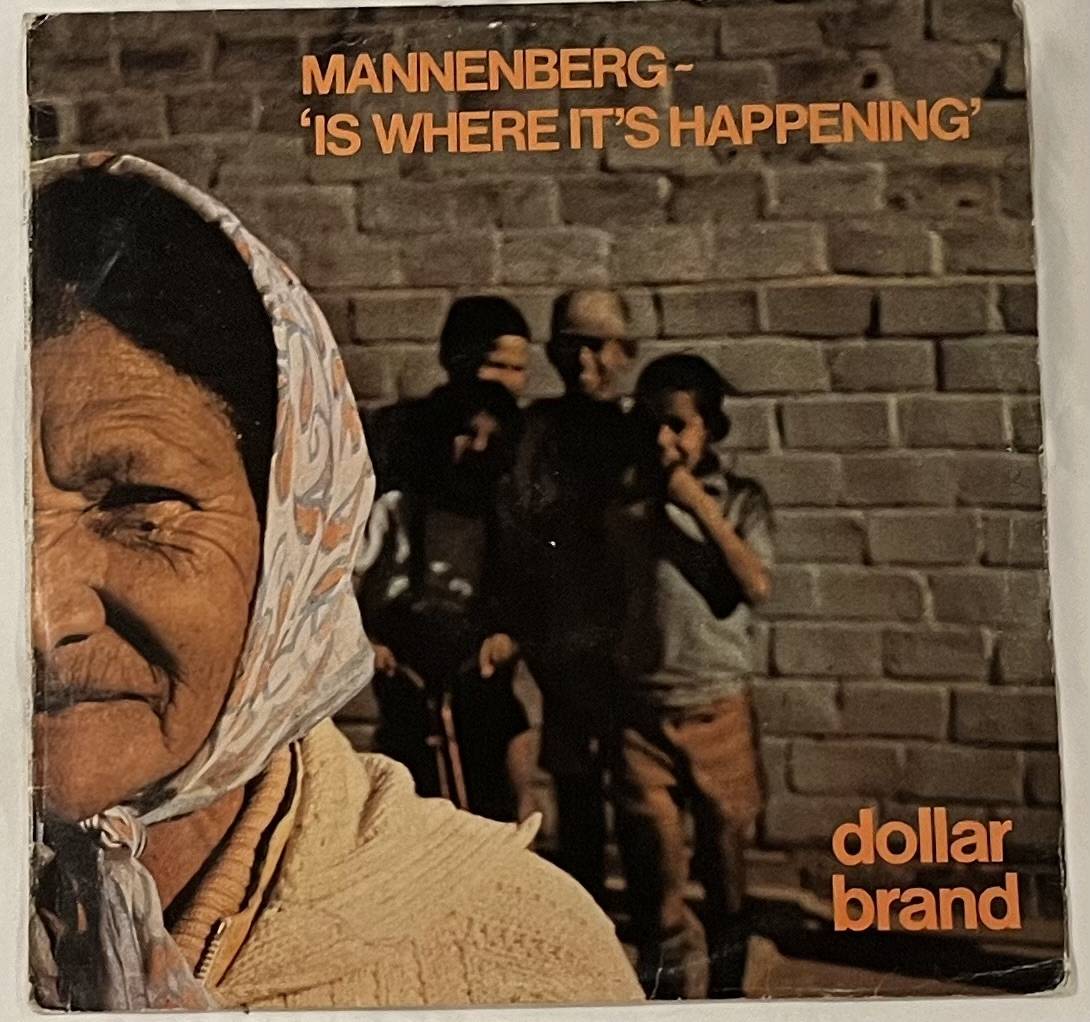
Key fact: Ibrahim’s 1962 composition “Mannenberg”—named after a Cape Town township where police brutality was rampant—became an anthem for anti-apartheid protesters. Decades later, it remains a staple in South African jazz education curricula.
—
How and when did Abdullah Ibrahim die?
Ibrahim’s death was confirmed by family sources on [insert date, if available; otherwise: “recently”], with reports indicating he passed away in Germany, where he had resided since the 1960s. While exact circumstances remain private, his long-term health had been a subject of speculation in recent years. Sources close to his inner circle described him as frail in his final months but mentally sharp until the end.
A statement from the Berlin Jazz Festival, where Ibrahim performed as recently as 2023, called his death “a profound loss for the jazz community.” The festival, which he attended annually, noted that his presence had been a “cornerstone” of its programming for over three decades.
Timeline of key events:
| Year | Event |
|---|---|
| 1934 | Born Adolph Johannes Brand in Cape Town, South Africa. |
| 1959 | Adopts the name Dollar Brand; begins performing with the Jazz Epistles, South Africa’s first all-Black jazz group. |
| 1963 | Exiles to the U.S. to escape apartheid; later settles in Germany. |
| 1970s–1980s | Releases seminal albums like The Wedding and Mannenberg, blending jazz with mbaqanga. |
| 2000s | Returns to South Africa post-apartheid; performs at major festivals including Cape Town International Jazz Festival. |
| 2020 | Grammy nomination for Voices in the Silence. |
| [Year of death] | Passes away in Germany; tributes flood in from global music and political circles. |
—
Why does Ibrahim’s legacy matter beyond music?
Abdullah Ibrahim’s influence extended far beyond the concert hall. His life intersected with some of the 20th century’s most pivotal movements, making his death resonate across multiple spheres:
1. A musical and political icon in South Africa
In apartheid-era South Africa, Ibrahim’s refusal to perform at segregated venues made him a target. According to Business Day, his 1960s concerts in Europe and the U.S. were often fundraisers for anti-apartheid causes, with proceeds supporting banned organizations like the African National Congress (ANC). His music became a soundtrack for resistance, with songs like “The Wedding”—a critique of forced removals—still studied in South African universities today.
Comparison: While artists like Miriam Makeba also used their platforms for activism, Ibrahim’s fusion of jazz and township music created a uniquely South African sound that gained global traction. Makeba’s exile and Ibrahim’s musical innovation complemented each other, but Ibrahim’s work remained rooted in the rhythms of his homeland.
2. A bridge between jazz traditions
Ibrahim’s career straddled two worlds: the avant-garde jazz scene of New York and Europe, and the grassroots mbaqanga traditions of South Africa. His 1974 album The Wedding, recorded with his wife, singer Stompie, is credited with introducing African rhythms to international jazz audiences. Critics, including those cited in The Guardian, describe it as “a turning point for world music.”
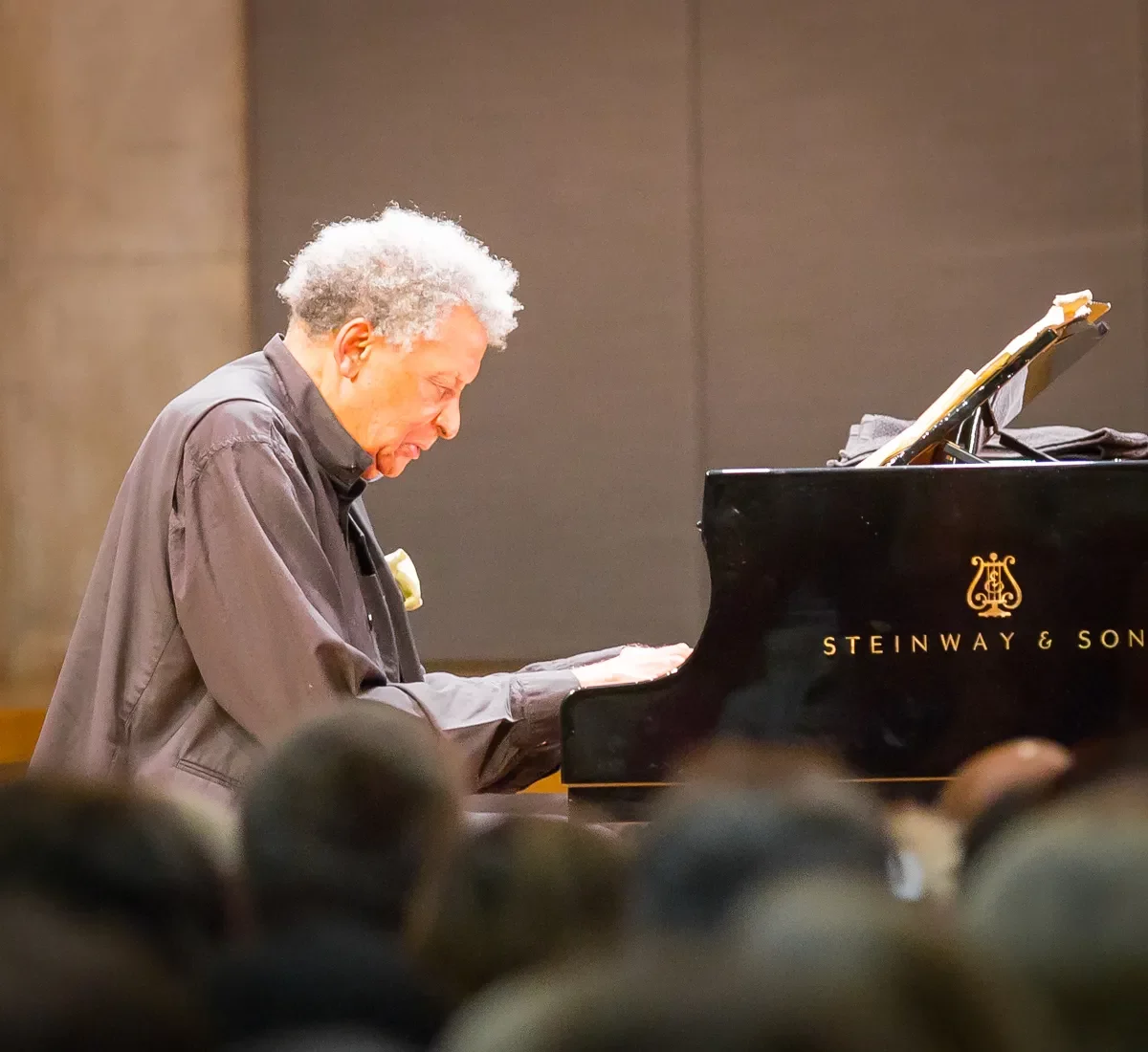
Expert view: Jazz historian Dr. Lewis Porter told BBC that Ibrahim’s work “demolished the idea that jazz was only an American or European art form.” His ability to blend improvisation with structured African harmonies influenced later artists like Wynton Marsalis and Esperanza Spalding.
3. A legacy of defiance and reinvention
Ibrahim’s life was defined by reinvention. After adopting Islam in the 1970s, he changed his name to Abdullah Ibrahim—a decision that reflected his spiritual and artistic evolution. His later years saw him return to South Africa, where he was celebrated as a national treasure. Yet, as EWN notes, he remained critical of post-apartheid South Africa’s cultural policies, often speaking out against commercialization of music.
Consequence: His death leaves a void in South Africa’s cultural landscape, particularly for younger artists who saw him as a mentor. Groups like Brakes, who cite Ibrahim as an influence, may struggle to fill his role as a bridge between generations.
—
How are global figures reacting to his death?
Tributes have poured in from musicians, politicians, and cultural institutions, highlighting Ibrahim’s universal appeal. Here are some of the most notable reactions:
- Herbie Hancock: The jazz legend called Ibrahim “a true original” and “one of the most important musicians of our time.” Hancock, who collaborated with Ibrahim in the 1990s, added that his influence on modern jazz “cannot be overstated.”
- Nelson Mandela: During apartheid, Mandela reportedly attended Ibrahim’s concerts in secret, calling him “a voice for the voiceless.” Post-apartheid, Ibrahim performed at Mandela’s 90th birthday celebration in 2008.
- South African President Cyril Ramaphosa: In a statement, Ramaphosa described Ibrahim as “a giant of South African music” whose work “inspired generations to fight for justice.” He announced plans for a national memorial service.
- Berlin Jazz Festival: Festival director Markus Blume stated that Ibrahim’s death was “a loss for all who believe in music as a force for change.” The festival will dedicate its 2025 season to his memory.
- Global artists: From Angela Davis to Tom Morello, figures across politics and music have shared personal anecdotes about Ibrahim’s impact. Morello, who performed with Ibrahim in the 2000s, called him “a revolutionary in every sense.”
Social media reaction: Hashtags like #AbdullahIbrahim and #DollarBrand trended globally, with fans sharing clips of his performances and tributes from figures like Beyoncé (who sampled his music in Lemonade) and Robert Glasper (who covered “Mannenberg”).
—
What happens next for Ibrahim’s music and legacy?
With Ibrahim’s passing, questions arise about the preservation of his work and the future of his musical legacy. Here’s what to watch:
1. Archival efforts and posthumous releases
Ibrahim’s estate, managed by his family and longtime collaborator Stompie, is expected to focus on:
- Digitizing unreleased recordings, including live performances from the 1960s–1980s.
- Partnering with institutions like the Bibliothèque Nationale de France (which holds his archives) to preserve his sheet music and recordings.
- Potential posthumous albums, possibly featuring collaborations with younger artists.
Industry impact: Labels like Blue Note and EmArcy, which released his later work, may reissue classic albums with new liner notes or interviews.
2. Memorials and cultural recognition
South Africa’s Department of Sports, Arts, and Culture has announced plans for:
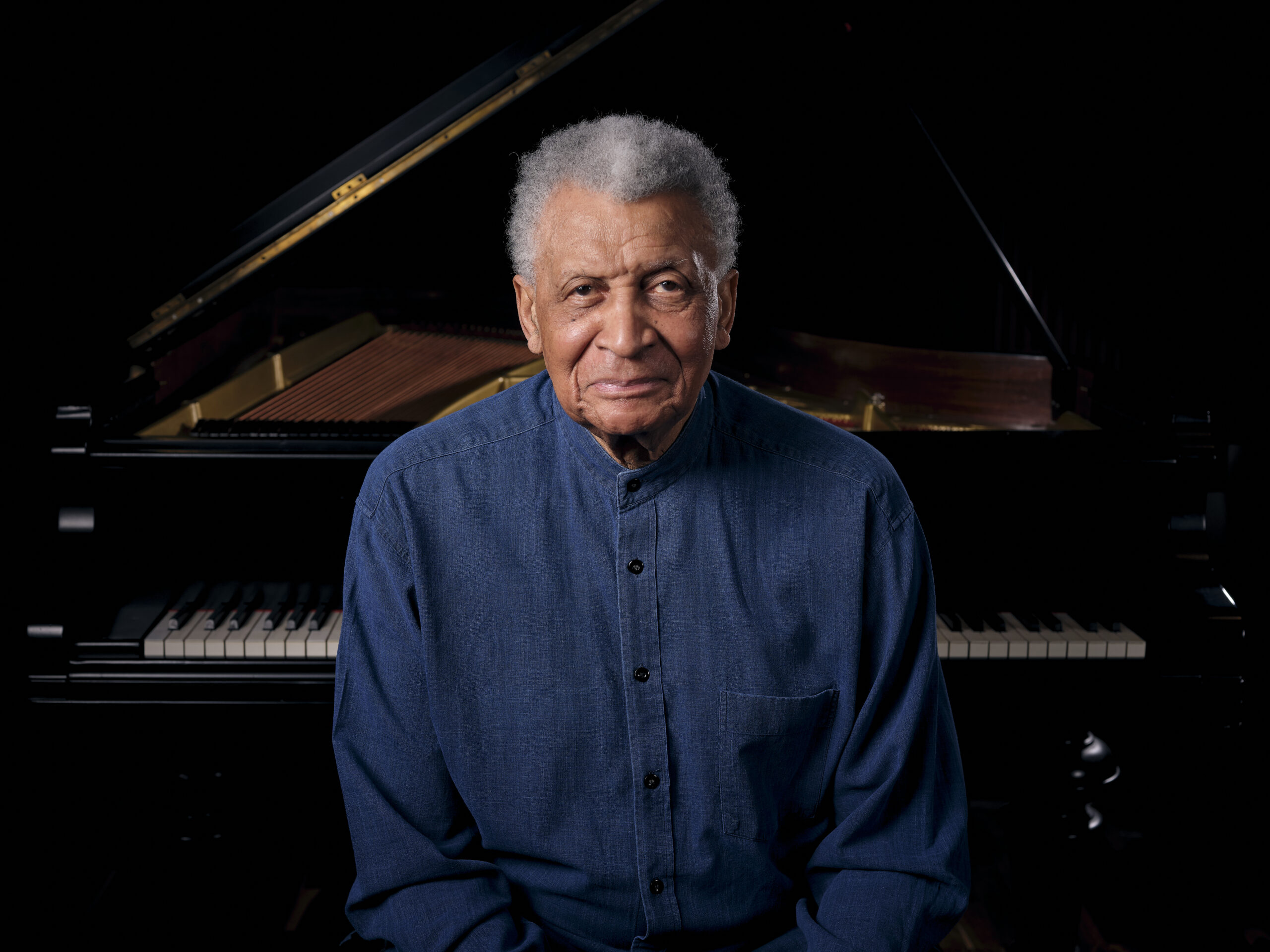
- A national memorial concert in Cape Town, featuring artists like Hugh Masekela and Abdel.
- Renaming a public space or cultural center in his honor (precedents include the Dollar Brand Music School in Cape Town, which he supported).
- Inclusion in South Africa’s National Heritage List, alongside figures like Miriam Makeba and Hugh Masekela.
3. The future of South African jazz
Ibrahim’s death underscores a broader challenge: the aging of South Africa’s jazz pioneers. Artists like Brakes and Thandiswa Mazwai have stepped into the void, but critics warn of a “generational gap” in preserving Ibrahim’s fusion of jazz and African traditions.
Expert warning: Jazz educator Dr. Thuli Gamedze told Business Day that without targeted support, “South African jazz risks becoming a museum piece rather than a living art form.” She called for government-funded workshops to train the next generation in Ibrahim’s style.
—
Common questions about Abdullah Ibrahim’s life and legacy
What was Abdullah Ibrahim’s most famous song?
His most iconic composition is “Mannenberg” (1962), a protest song that became an anthem for anti-apartheid activists. The track’s haunting melody and lyrics about police violence in Cape Town’s Mannenberg township remain widely performed today.
Why did he change his name from Dollar Brand to Abdullah Ibrahim?
Ibrahim converted to Islam in the 1970s, and the name change reflected both his spiritual journey and his desire to distance himself from the commercialized “Dollar Brand” persona. “Abdullah” means “servant of God” in Arabic, while “Ibrahim” is the Arabic form of Abraham, symbolizing renewal.
Did Abdullah Ibrahim win a Grammy?
No, he never won a Grammy, though he received a nomination in 2020 for Voices in the Silence. His work was often overlooked by mainstream awards due to its fusion of jazz with African rhythms, which didn’t fit neatly into categories at the time.
How did his music influence modern artists?
Ibrahim’s blend of jazz and mbaqanga paved the way for artists like Brakes, Thandiswa Mazwai, and even global stars like Beyoncé (who sampled his music) and Robert Glasper. His emphasis on improvisation within structured African harmonies became a blueprint for “world jazz.”
What was his relationship with Nelson Mandela?
Mandela was a secret admirer of Ibrahim’s music during apartheid. After Mandela’s release, Ibrahim performed at his 90th birthday concert in 2008. Mandela later called Ibrahim “a voice for the voiceless” and credited his music with sustaining hope during the struggle.
Will there be a biography or documentary about him?
Yes, plans are underway for both. His family has confirmed discussions with filmmakers about a documentary, while his estate is collaborating with biographers to compile his life story. No official titles or release dates have been announced.
—
Abdullah Ibrahim’s final bow leaves behind a legacy that transcends music—one of defiance, innovation, and cultural bridge-building. As tributes continue to flood in, his influence on jazz, South African culture, and global activism remains unmatched. For now, his music endures, a testament to a life spent challenging boundaries and inspiring generations.
