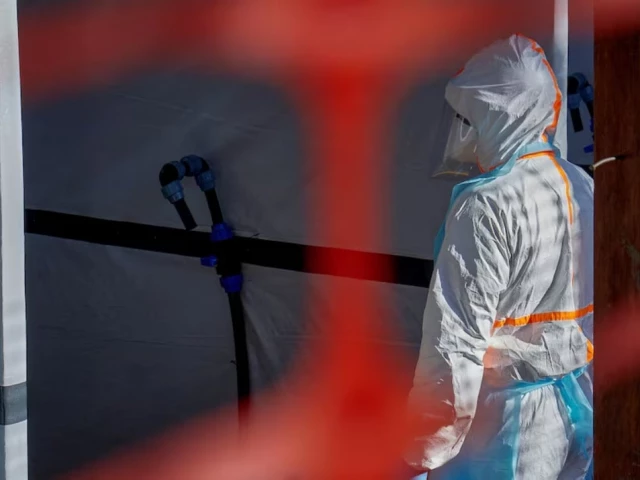
US Warns of Potential Ebola Outbreak on 2014-Scale Amid Central African Surge
Health officials in the United States have raised concerns about a rapidly escalating Ebola outbreak in Central Africa, warning that the crisis could reach the scale of the 2014 epidemic, which claimed over 11,000 lives globally. The Centers for Disease Control and Prevention (CDC) has issued updated projections, highlighting the risk of a major public health emergency if containment measures fail. This development has sparked renewed global attention on the challenges of managing infectious disease outbreaks in regions with fragile healthcare systems.
Escalating Cases and CDC Projections
Recent data from the Democratic Republic of the Congo (DRC) and Uganda indicate a sharp rise in Ebola cases, with the CDC modeling scenarios that suggest the outbreak could surpass the 2014 crisis. The virus in question, the Bundibugyo strain, has demonstrated similar transmission rates to the more infamous Zaire strain, which was responsible for the 2014-2016 outbreak. The CDC’s analysis, published in its Morbidity and Mortality Weekly Report (MMWR), outlines potential outcomes based on current containment efforts, including the possibility of over 10,000 deaths in the worst-case scenario.
The agency has emphasized that while the U.S. Remains at low risk due to robust public health infrastructure, the global implications of an uncontrolled outbreak are severe. “What we have is a developing situation that requires immediate action to prevent a humanitarian catastrophe,” a CDC spokesperson stated. “Our models show that without significant intervention, the number of cases could escalate beyond current capacity to manage.”
International Response and Travel Measures
In response to the growing threat, the U.S. Government has implemented enhanced screening protocols for travelers from high-risk regions. Affected passengers from the DRC, South Sudan, and Uganda are now directed to specific U.S. Airports for health inspections. These measures aim to identify potential cases early and prevent cross-border transmission. The CDC has also coordinated with international partners to bolster surveillance and support local healthcare systems in the affected areas.
One notable case involved an American citizen who was exposed to the virus while working in the DRC. The individual tested positive for the Bundibugyo strain and was transported to Germany for treatment. “This case underscores the importance of rapid response and international cooperation,” the CDC noted. High-risk contacts have been relocated to Germany and the Czech Republic for monitoring, though no symptoms have been reported among them.
Historical Context and Lessons Learned
The 2014 Ebola outbreak, which primarily affected West Africa, exposed critical gaps in global health preparedness. It took months to contain the virus, and the delayed response contributed to its spread. The current situation in Central Africa shares similarities, with challenges including limited healthcare access, community mistrust, and logistical hurdles. However, officials have pointed to advancements in vaccine distribution and contact tracing as potential tools to mitigate the crisis.
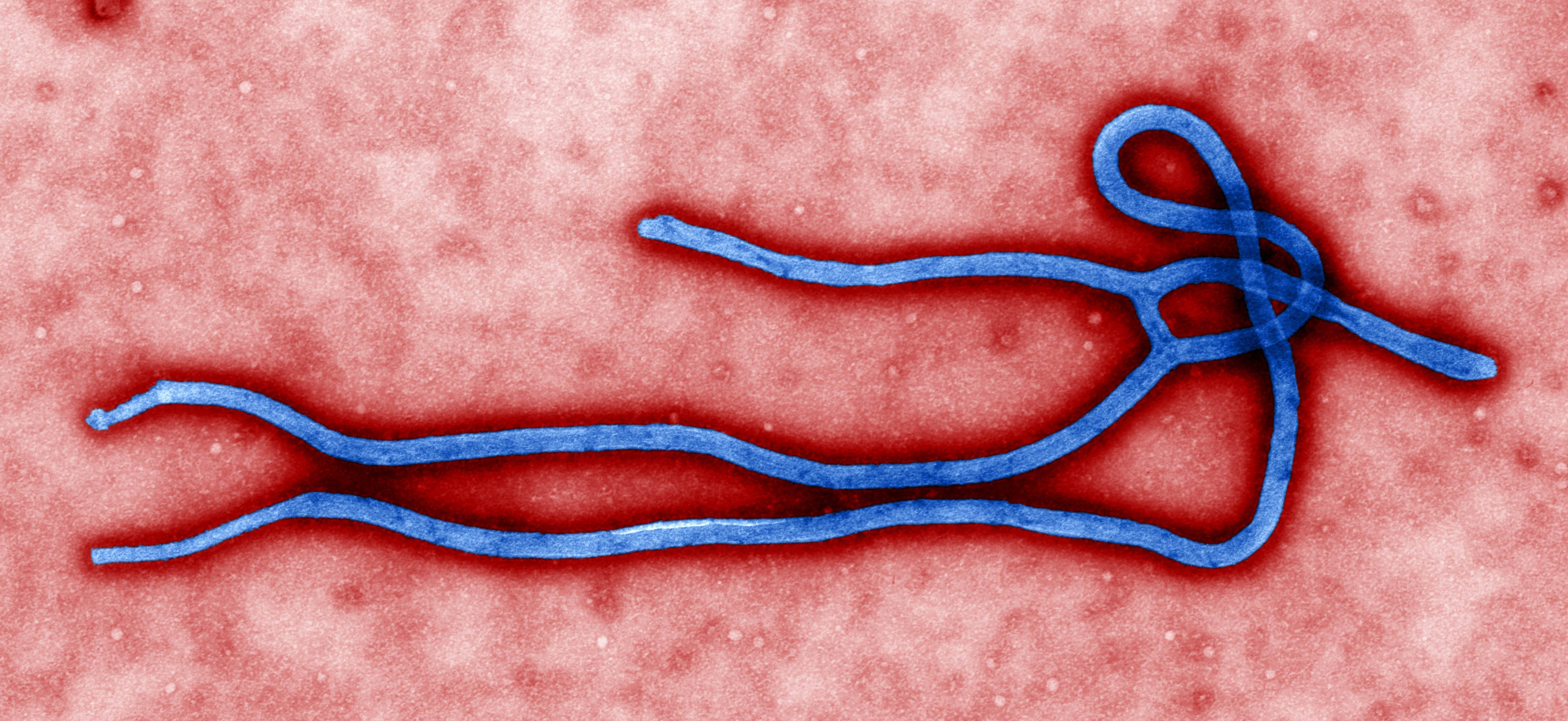
Experts warn that the Bundibugyo strain, while less lethal than the Zaire strain, poses unique challenges. “It’s
