
Argentine and U.S. health officials found no evidence of the rodent reservoir responsible for the Andes strain of hantavirus in Malargüe, Mendoza, according to reports from Infobae and El Economista. The joint operation, led by the Malbrán Institute, aimed to identify the source of the virus following a hantavirus outbreak linked to a cruise.
- Result: Initial analyses detected no presence of the specific rodent species linked to the Andes strain in the sampled areas.
- Partnership: The operation involved the Instituto Malbrán and agencies from the United States.
- Location: Fieldwork focused on the southern region of Mendoza, specifically in Malargüe.
How the joint operation targeted the Andes strain
The investigation utilized a coordinated effort between the Instituto Malbrán and U.S. experts to conduct field sampling and laboratory analysis in southern Mendoza. According to Mendoza Post, the operation focused on capturing and analyzing wild rodents to determine if the local fauna carried the Andes strain of hantavirus.
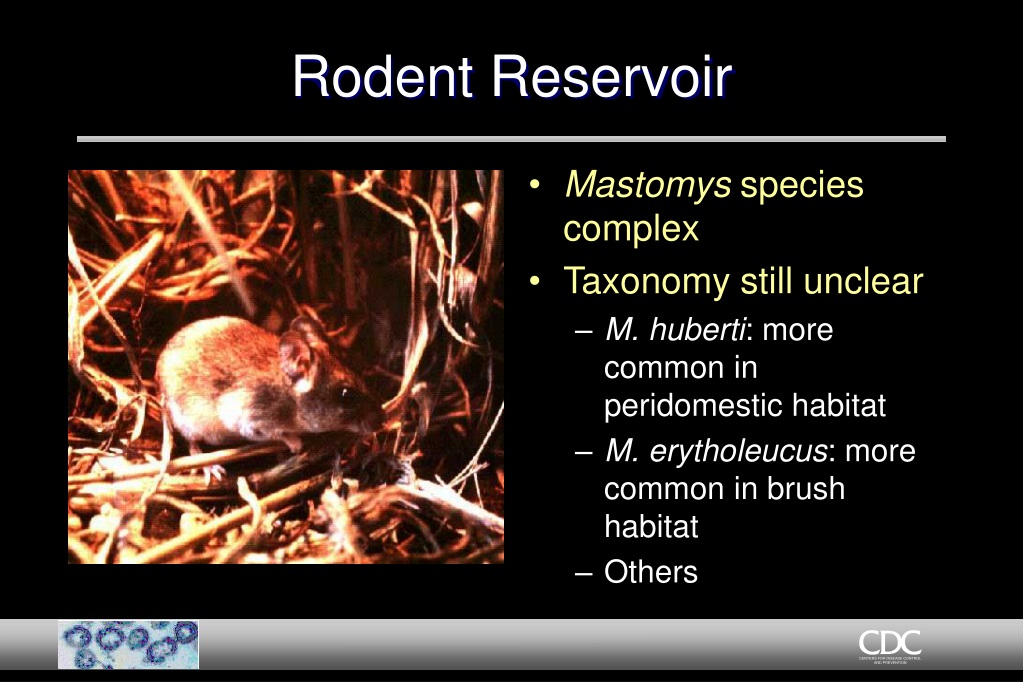
Field teams deployed traps in specific ecological zones within Malargüe to collect specimens. These samples were then subjected to molecular testing to identify the presence of the virus and the specific host species. According to Ser y Hacer de Malargüe, the primary goal was to map the distribution of the reservoir to prevent future human infections.
The significance of the missing rodent reservoir
The failure to detect the primary reservoir suggests that the specific rodent species associated with the Andes strain is not currently established in the sampled areas of Malargüe. According to reports from Infobae and Sitio Andino, early analyses of the captured wildlife showed no signs of the virus’s host.
Health officials distinguish between the presence of any rodent and the presence of the reservoir host. While various wild rodents exist in the region, the Andes strain requires a specific host species to maintain its cycle in the environment. The absence of this host reduces the immediate risk of local environmental transmission in the areas surveyed.
The link to the cruise outbreak
The urgency of the investigation was driven by a specific public health event. According to El Economista, Argentine authorities launched the search for the rodent reservoir after a hantavirus outbreak occurred among passengers on a cruise. This event triggered the need to determine if the virus was endemic to the regions the cruise visited or if the infection had originated elsewhere.
The collaboration with U.S. agencies provided additional technical capacity for the surveillance effort. By ruling out the presence of the reservoir in the southern Mendoza samples, investigators can further narrow down the geographic origin of the cruise-related cases.
