
French health authorities, including the National Agency for Food, Environmental and Occupational Health & Safety (Anses), have issued alerts following a resurgence of rabies in Central Europe. This development has led to heightened surveillance and strict animal import requirements in French regions, specifically the Var, to prevent the virus’s reintroduction into the country.
Why is rabies resurging in Central Europe?
Public health agencies have flagged a return of rabies across Central European territories, prompting a wave of warnings from regional authorities. According to reports from Le Progrès and Le Dauphiné Libéré, officials are monitoring the situation to determine if the current increase in cases poses a significant threat to neighboring Western European nations.

Anses has specifically sounded the alarm regarding the movement of animals across borders. According to ma-sante.news, the agency’s concern centers on the potential for the virus to migrate from Central Europe into France, which could jeopardize previous efforts to keep the region rabies-free.
What precautions are being taken in the Var region?
Local authorities in the Var department are implementing specific precautionary measures to block the introduction of the virus. According to La Marseillaise, these efforts focus on early detection and strict adherence to health protocols to ensure the virus does not establish a foothold in the local animal population.
The strategy emphasizes vigilance and the monitoring of animal health to prevent a localized outbreak, as the reintroduction of rabies would require extensive and costly vaccination campaigns to contain.
How does this affect pet travel and imports?
The resurgence has led to stricter scrutiny of animals entering France from abroad. Health officials are urging travelers to ensure all pets are fully compliant with health regulations before crossing borders.
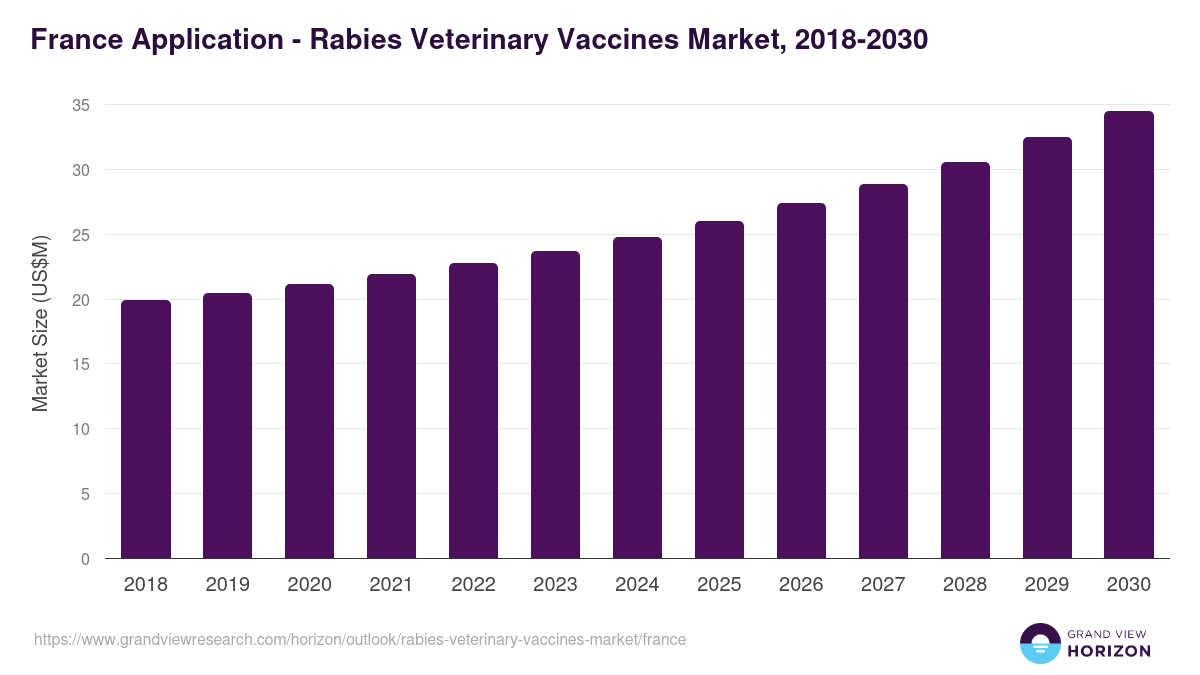
According to Nice-Matin, individuals planning to bring an animal back from a trip abroad must verify that the animal is not carrying rabies. This includes ensuring all required vaccinations are up to date and that the proper veterinary documentation is provided upon entry.
What is the current risk level?
While the alerts from Anses and regional authorities indicate a need for vigilance, the current situation is framed as a preventative effort rather than an active crisis within France. The primary risk involves the illegal or undocumented transport of animals from affected areas in Central Europe.
Health authorities maintain that following established veterinary protocols and vaccination schedules effectively mitigates the risk to both pets and humans.
