
Glucosamine Joint Supplement Linked to Accelerated Alzheimer’s Memory Loss
A common supplement used to treat joint pain may speed up the progression of memory loss in patients with Alzheimer’s disease, according to research highlighted by ScienceAlert and UF Health. The study identifies a metabolic process called hyperglycosylation as a key driver of the disease, suggesting that glucosamine—a popular over-the-counter treatment for osteoarthritis—could exacerbate the condition by fueling this process.
How does a joint supplement impact Alzheimer’s progression?
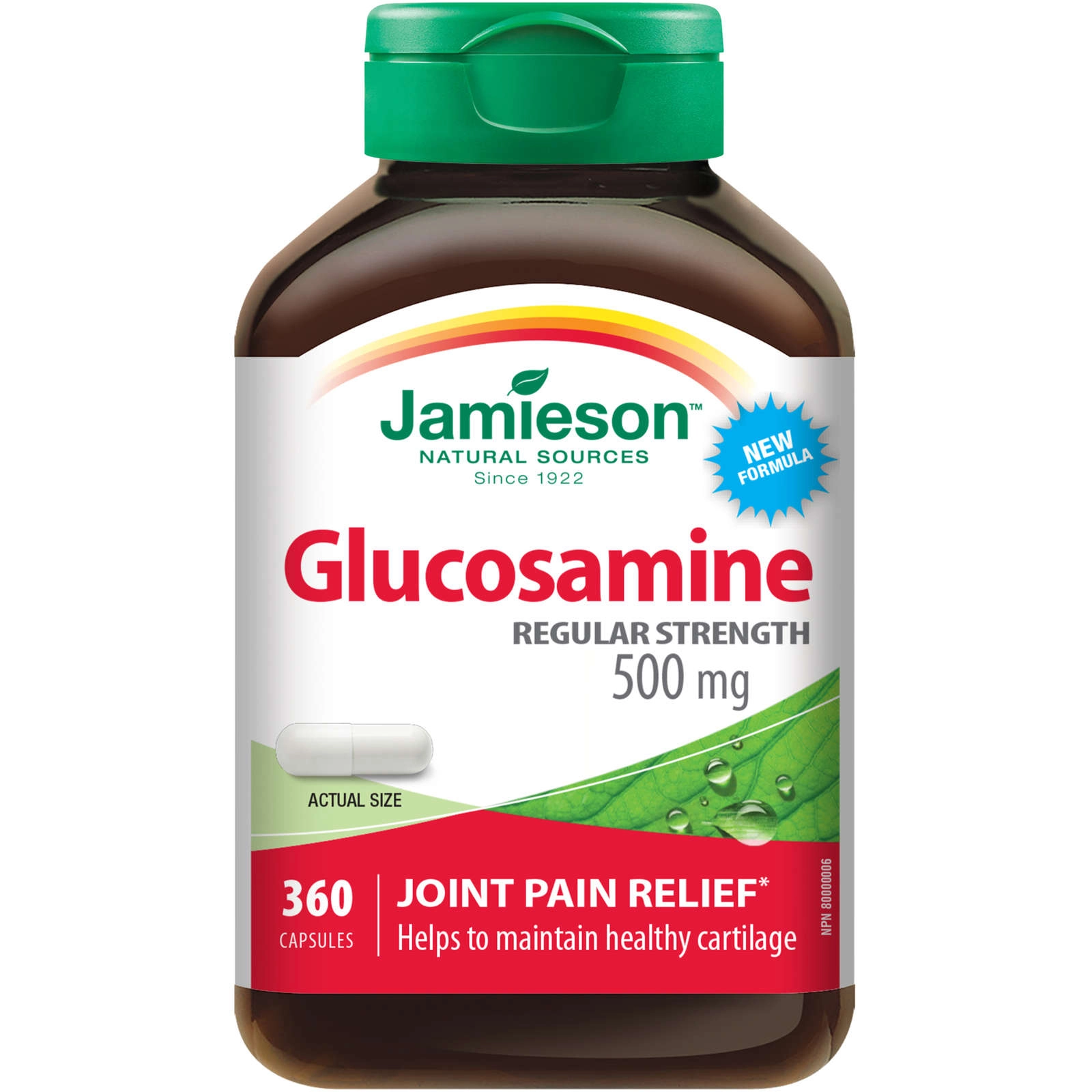
Glucosamine is an amino sugar that occurs naturally in the body and is widely sold as a supplement to support cartilage health and reduce joint pain. However, according to reports from Medical Xpress and ScienceDaily, this specific supplement is linked to a faster decline in cognitive function for those already suffering from Alzheimer’s. The risk stems from how the body processes the supplement at a cellular level.
The core of the issue is a metabolic dysfunction. According to a study published in Nature, hyperglycosylation—the excessive attachment of sugar molecules to proteins—acts as a metabolic driver of Alzheimer’s disease. When a person takes glucosamine supplements, they increase the availability of the raw materials the body uses for glycosylation. In a healthy brain, this process is regulated. In an Alzheimer’s-affected brain, this regulation fails, and the excess sugar can lead to the dysfunction of critical proteins.
This protein dysfunction interferes with how neurons communicate and maintain their structure. As reported by UF Health, the result is an acceleration of the dementia symptoms, specifically targeting the memory centers of the brain. The research suggests that while glucosamine may help the joints, it may simultaneously create a toxic metabolic environment in the brain of a patient with neurodegenerative disease.
| Feature | Intended Use (Joint Health) | Reported Risk (Alzheimer’s) |
|---|---|---|
| Primary Action | Supports cartilage and joint lubrication | Triggers hyperglycosylation in the brain |
| Target Area | Osteoarthritis/Joint inflammation | Neuronal proteins and memory centers |
| Metabolic Effect | Provides building blocks for glycosaminoglycans | Drives metabolic dysfunction in diseased neurons |
| Reported Outcome | Reduced joint pain and stiffness | Accelerated cognitive decline and memory loss |
What is hyperglycosylation and why does it matter?
To understand why a joint supplement affects memory, it is necessary to look at the chemistry of glycosylation. Glycosylation is the process where a carbohydrate (sugar) is attached to a protein or lipid. This is a vital biological function; it helps proteins fold correctly, ensures cell-to-cell communication, and protects cells from damage.
According to the research published in Nature, hyperglycosylation occurs when this process goes into overdrive. Instead of a precise attachment of sugars, the proteins become “over-sugared.” This creates bulky, dysfunctional proteins that cannot perform their duties. In the context of Alzheimer’s, these modified proteins can contribute to the formation of plaques and tangles, the hallmarks of the disease.
“Hyperglycosylation is a metabolic driver of Alzheimer’s disease,” the Nature study indicates, framing the process as a catalyst that speeds up the degradation of brain tissue.
When a patient takes glucosamine, they are introducing more of the substrate required for this process. While a healthy individual’s brain can manage this influx, the Alzheimer’s brain lacks the metabolic brakes to stop the process. This creates a feedback loop where the supplement intended to improve quality of life in the joints inadvertently degrades quality of life in the mind.
The role of the blood-brain barrier
A critical question in this research is how a supplement taken orally reaches the brain. Glucosamine is a small molecule capable of crossing the blood-brain barrier. Once inside the central nervous system, it enters the metabolic pathways of the neurons. According to the findings reported by ScienceAlert, the increased concentration of glucosamine in the brain provides the fuel necessary for the hyperglycosylation process to accelerate.
Who is most at risk from glucosamine use?
The risk is not uniform across the general population. The research specifically points to individuals already diagnosed with Alzheimer’s or those in the early stages of cognitive decline. For these individuals, the metabolic pathways are already compromised, making them susceptible to the effects of hyperglycosylation.
The danger is particularly acute because of the demographic overlap between joint pain and dementia. Both osteoarthritis and Alzheimer’s are age-related conditions. According to UF Health, many elderly patients manage both chronic joint pain and memory loss simultaneously. This makes glucosamine one of the most common supplements found in the medicine cabinets of the very people most at risk of accelerated memory loss.
- Alzheimer’s Patients: High risk of accelerated memory loss due to existing metabolic dysfunction.
- Pre-Dementia Patients: Potential for faster progression into clinical Alzheimer’s.
- Healthy Adults: Current evidence focuses on the diseased brain; the impact on healthy metabolic pathways is less clear, though caution is advised for those with family histories of dementia.
Because these supplements are often sold over-the-counter and are not regulated as strictly as prescription medications, many patients may not discuss their use with their neurologists, leaving the risk unmanaged.
How does this discovery change the view of joint supplements?
For decades, glucosamine has been marketed as a safe, natural alternative to stronger painkillers like NSAIDs (non-steroidal anti-inflammatory drugs). The current research reported by Medical Xpress and ScienceDaily introduces a critical nuance: “natural” does not always mean “safe” in the presence of specific pathologies.
This discovery shifts the conversation from general safety to patient-specific safety. It suggests that metabolic health is not a one-size-fits-all system. A molecule that helps rebuild cartilage in the knee can act as a toxin in a brain suffering from neurodegeneration. This creates a precedent for examining other common supplements—such as chondroitin or certain vitamins—to see if they interact with the metabolic drivers of dementia.
Furthermore, the focus on hyperglycosylation provides a new target for Alzheimer’s research. If scientists can find a way to inhibit excessive glycosylation without disrupting the necessary biological functions, they may be able to slow the progression of the disease regardless of supplement intake.
Comparing Glucosamine to other Alzheimer’s triggers
While factors like genetics (APOE-ε4 gene) and lifestyle (diet, exercise) are well-known contributors to Alzheimer’s, the glucosamine link represents an iatrogenic or supplement-induced risk. Unlike genetic factors, which are immutable, supplement-induced acceleration is preventable. This makes the findings particularly impactful for clinical practice, as a simple change in a patient’s supplement regimen could potentially slow their cognitive decline.
What should patients and caregivers do?
Medical professionals emphasize that patients should not make abrupt changes to their medication or supplement routines without professional guidance. However, the findings reported by UF Health and ScienceAlert suggest a need for immediate transparency between patients and their healthcare providers.
Caregivers of patients with Alzheimer’s are encouraged to review all over-the-counter supplements. If glucosamine is present, a consultation with a neurologist or primary care physician is recommended to weigh the benefits of joint pain relief against the potential risk of accelerated memory loss.
Alternative joint pain management strategies may include:
- Physical Therapy: Low-impact exercises to maintain joint mobility.
- Weight Management: Reducing pressure on weight-bearing joints.
- Prescription Alternatives: Medications that do not influence the hyperglycosylation pathway.
- Topical Treatments: Creams or gels that provide localized relief without systemic absorption into the brain.
For more information on managing cognitive health, readers may find a related explainer on Alzheimer’s prevention useful for understanding lifestyle adjustments that support brain longevity.
Common misconceptions about glucosamine and brain health
There is a widespread belief that because glucosamine is “natural” or “found in the body,” it cannot cause harm. The Nature study corrects this by showing that the amount and timing of a substance matter. Overloading a compromised system with a specific building block can lead to metabolic “traffic jams,” which in this case results in protein dysfunction.
Another misconception is that all joint supplements are the same. Glucosamine is a specific amino sugar. While other supplements like omega-3 fatty acids are often touted for brain health, glucosamine operates on a completely different metabolic pathway. It is incorrect to assume that because one joint supplement is safe or helpful for the brain, glucosamine is as well.
Finally, some may believe that the memory loss is caused by the joint pain itself (due to stress or lack of mobility). While chronic pain can impact mood and focus, the research cited by ScienceDaily and Medical Xpress points to a direct biological mechanism—hyperglycosylation—rather than a psychological or secondary effect of pain.
Frequently Asked Questions
Is glucosamine safe for people without Alzheimer’s?
The current research focuses on how glucosamine accelerates memory loss in those already affected by Alzheimer’s disease. According to the reports, the risk is tied to the metabolic dysfunction (hyperglycosylation) already present in the diseased brain. There is currently no evidence in these sources suggesting it causes Alzheimer’s in healthy individuals, though patients should always consult a doctor.
Can I replace glucosamine with another joint supplement?
Patients should consult their physician before switching supplements. While some alternatives may not affect the glycosylation pathway, only a healthcare provider can determine which treatment is safe based on a patient’s specific medical history and current medications.

What exactly is the link between “sugar” and memory loss in this study?
The “sugar” mentioned is not dietary sugar (like sucrose or glucose) but rather the process of adding sugar molecules to proteins (glycosylation). Glucosamine provides the raw materials for this process. In Alzheimer’s patients, this leads to “hyperglycosylation,” which damages the proteins necessary for memory and brain function, as reported in Nature.
How do I know if my joint supplement contains glucosamine?
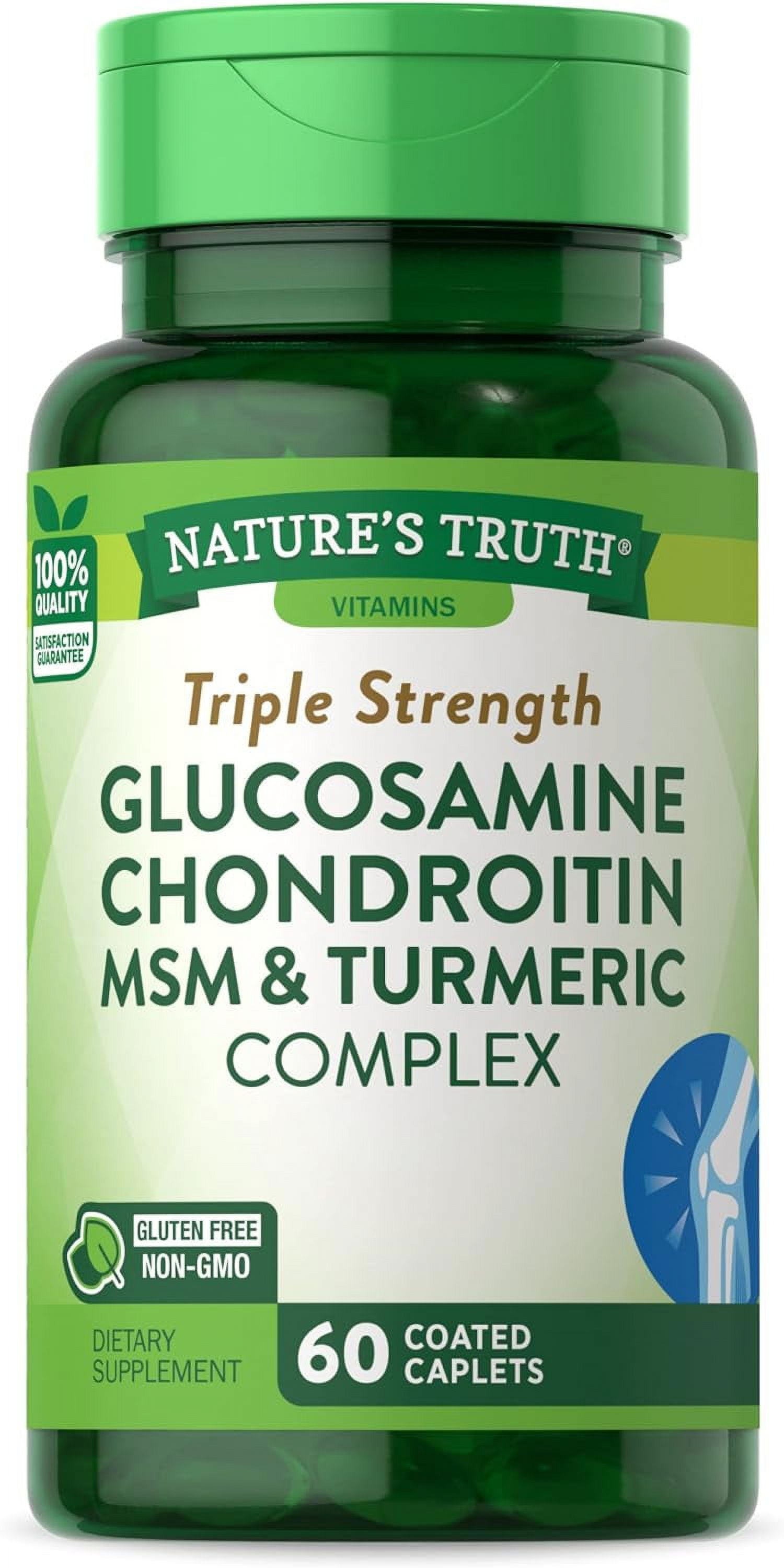
Check the “Supplement Facts” label on the back of the bottle. It is typically listed as “Glucosamine Sulfate,” “Glucosamine Hydrochloride,” or “Glucosamine glucosamine.” It is often bundled with chondroitin or MSM.
Does this mean all supplements are dangerous for dementia patients?
No. This specific finding applies to glucosamine and its effect on hyperglycosylation. However, it highlights the importance of reviewing all supplements with a neurologist, as different substances interact with the brain’s chemistry in different ways.
As research into the metabolic drivers of dementia continues, the link between dietary supplements and brain health is likely to become a more prominent part of geriatric care. The findings from Nature and the subsequent reporting by ScienceAlert and UF Health serve as a critical reminder that the intersection of multiple chronic conditions requires a highly tailored approach to treatment.
