
UK Boards and Seizes Russian Shadow Fleet Tanker in English Channel
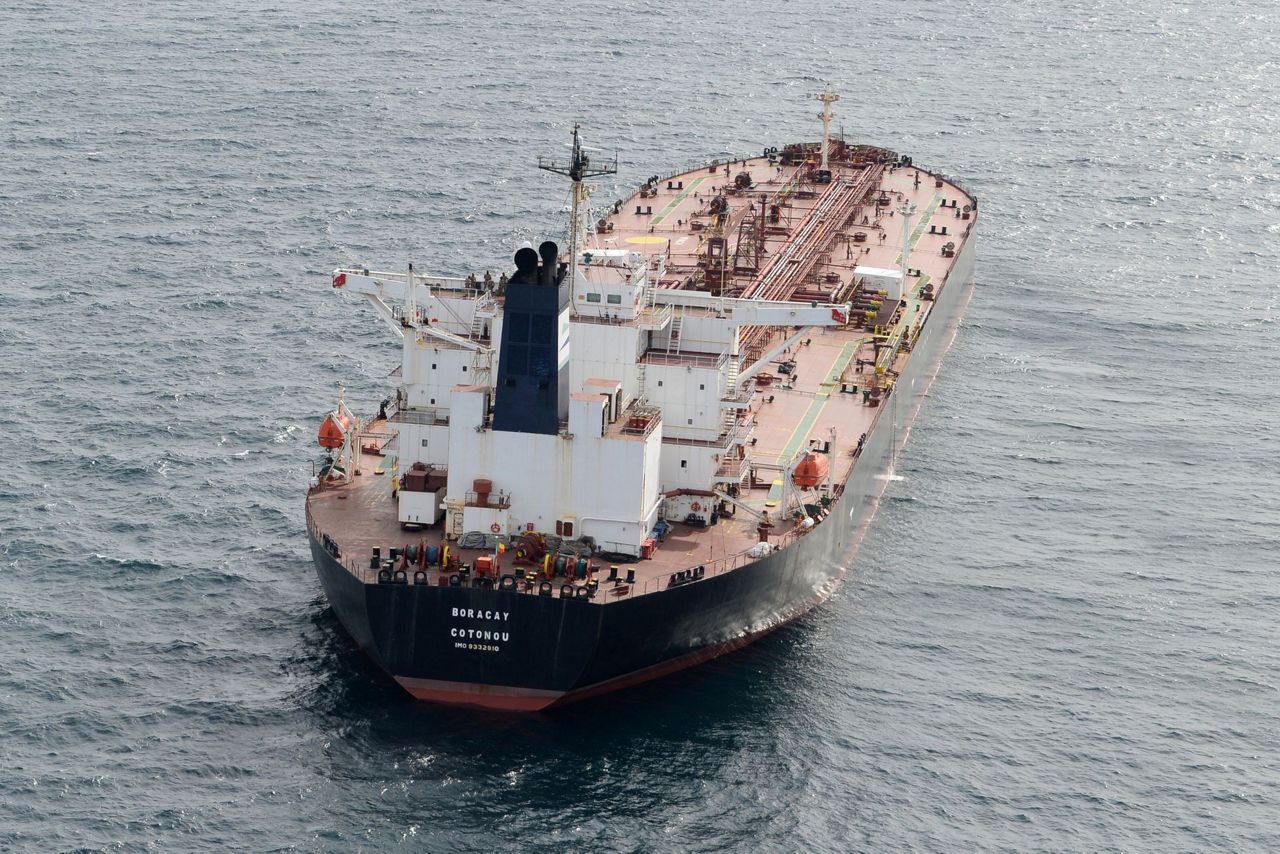
British armed forces intercepted and seized a sanctioned oil tanker in the English Channel, according to reports from the BBC, Al Jazeera, and The Guardian. The vessel is linked to Russia’s “shadow fleet,” a network of aging tankers used to transport crude oil in violation of international sanctions and price caps.
What happened during the English Channel interception?
The UK government confirmed that its armed forces intercepted a sanctioned oil tanker while it was transiting the English Channel. According to the BBC, the Prime Minister stated that the operation was a direct action against a vessel belonging to Russia’s shadow fleet. The vessel was boarded and detained by British forces to enforce sanctions regimes targeting Russian energy exports.
The operation marks a physical escalation in the enforcement of maritime sanctions. While many sanctions are handled through financial freezes or diplomatic pressure, the boarding of a vessel in one of the world’s busiest shipping lanes demonstrates a willingness to use military assets to disrupt the flow of sanctioned oil. Al Jazeera reports that the tanker was specifically identified as being sanctioned, providing the legal basis for the detention.
Key details of the operation include:
- Action: Boarding and seizure of a sanctioned vessel.
- Location: The English Channel.
- Force Involved: UK Armed Forces.
- Target: A tanker linked to the Russian shadow fleet.
What is the Russian shadow fleet?
The “shadow fleet” refers to a clandestine network of oil tankers that Russia uses to export its crude oil while bypassing Western sanctions. According to reports from Euronews and The Guardian, these vessels typically operate outside the traditional maritime regulatory framework to avoid the G7-led oil price cap.
Standard commercial shipping relies on a transparent ecosystem of insurance, classification societies, and registration. Shadow fleet vessels, however, often employ several tactics to remain invisible to regulators:

- Opaque Ownership: Ships are often owned by shell companies registered in jurisdictions with little oversight, making it difficult to trace the ultimate beneficial owner.
- AIS Spoofing: Many of these tankers turn off their Automatic Identification System (AIS) transponders or transmit false coordinates to hide their origin and destination.
- Ship-to-Ship (STS) Transfers: To further obscure the trail, oil is often transferred from one tanker to another in open water, away from monitored ports.
- Non-Western Insurance: Instead of using reputable firms from the International Group of P&I Clubs, shadow tankers use obscure insurance providers or self-insure.
The shadow fleet allows Russia to maintain its energy revenue streams by selling oil to buyers who are willing to ignore sanctions, provided the transport risks are managed privately.
Why is the seizure of this tanker significant?
The seizure is significant because it targets the physical infrastructure of sanctions evasion. For years, the G7 and the EU have relied on the “price cap” mechanism, which prohibits Western companies from providing insurance or shipping services for Russian oil unless it is sold below a certain price. However, the growth of the shadow fleet has rendered this mechanism less effective.
By boarding a ship in the English Channel, the UK is signaling that the “shadow” nature of these vessels does not grant them immunity from territorial or international law when they enter specific waters. This action creates a precedent for other nations to intercept vessels that they believe are operating in violation of international sanctions.
This move also highlights the environmental risk associated with the shadow fleet. Because these ships are often old and poorly maintained, they pose a significant risk of oil spills. A major spill in the English Channel would be an ecological and economic catastrophe, adding an environmental security dimension to the political decision to seize the tanker.
For more context on the economic mechanisms at play, see this related explainer on G7 oil price caps.
Comparing Standard Shipping vs. Shadow Fleet Operations
To understand why the UK targeted this specific vessel, it is helpful to contrast how a legitimate tanker operates compared to a shadow fleet vessel.
| Feature | Standard Commercial Tanker | Russian Shadow Fleet Tanker |
|---|---|---|
| Ownership | Transparent corporate registry | Shell companies / Anonymous owners |
| Insurance | International P&I Clubs (Western) | Self-insurance or obscure providers |
| Tracking | Constant AIS transmission | Frequent AIS “dark” periods / Spoofing |
| Maintenance | Strict international safety audits | Aging hulls, minimal oversight |
| Compliance | Adheres to G7 price caps | Specifically designed to bypass caps |
How do sanctions on Russian oil work?
The sanctions framework is designed to limit the Kremlin’s ability to fund its military operations. The primary tool is the oil price cap, which is not a ban on oil sales but a restriction on the services required to move that oil. Since the vast majority of the world’s maritime insurance and shipping services are based in the UK, US, or EU, the West holds significant leverage.
According to NPR, the detention of the tanker is a direct result of the vessel being “sanctioned.” This means the ship itself—not just the cargo—has been placed on a blacklist. When a vessel is sanctioned, it is illegal for any entity under the jurisdiction of the sanctioning country to provide it with services, including docking or refueling.
The process of enforcement usually follows these steps:
- Identification: Intelligence agencies and maritime monitors identify a vessel as part of the shadow fleet.
- Listing: The vessel is added to a sanctions list (such as the OFAC list in the US or the UK’s consolidated list).
- Monitoring: The vessel’s movements are tracked via satellite and AIS data.
- Intervention: If the vessel enters a jurisdiction where the sanctioning power can legally act, the ship may be detained or denied entry.
Potential implications for maritime security and diplomacy
The seizure of a tanker in the English Channel—one of the most heavily trafficked waterways in the world—could have several ripple effects.

Diplomatic Tension with Russia
Russia is likely to view the seizure as an act of piracy or an illegal interference with international shipping. The Kremlin has previously argued that sanctions are unilateral and illegal under international law. This incident could lead to retaliatory measures, such as the detention of Western-owned vessels or increased harassment of ships in the Baltic or Black Seas.
Impact on Oil Markets
While a single tanker does not significantly impact global oil supply, a systematic campaign of seizures could force the shadow fleet to take longer, more expensive routes. If Russia cannot reliably transport its oil, it may be forced to lower prices further, effectively achieving the goal of the G7 price cap.
Environmental Precedent
By citing the “sanctioned” status of the ship, the UK may also be addressing the “insurance gap.” If a shadow tanker has no valid Western insurance and is seized, the legal battle over who is responsible for the cargo and the vessel’s safety becomes complex. This puts pressure on shadow fleet operators to seek legitimate insurance, which would then subject them to price cap regulations.
Further analysis of these risks can be found in this related analysis on maritime security in the English Channel.
Common misconceptions about the shadow fleet
There are several frequent misunderstandings regarding how these vessels operate and why they are targeted.
Misconception 1: The shadow fleet consists of “pirate” ships.
In reality, these are often legitimate, older tankers that have been sold to new, opaque owners. They still have crews and basic certifications, but they operate in a “grey zone” where they ignore specific international sanctions rather than all maritime laws.
Misconception 2: Seizing one ship stops the flow of oil.
The shadow fleet consists of hundreds of vessels. One seizure is a symbolic and legal victory, but it does not dismantle the network. The goal is to increase the cost and risk of operating such vessels until the system becomes economically unviable.
Misconception 3: The oil on these ships is “stolen.”
The oil is legally produced by Russia; the issue is the price at which it is sold and the method by which it is transported. The sanctions target the profit margin and the legality of the transport services, not the ownership of the crude itself.
Frequently Asked Questions
Why did the UK seize the tanker in the English Channel?
According to reports from the BBC and Al Jazeera, the UK seized the vessel because it was a sanctioned tanker linked to Russia’s shadow fleet. The action was taken to enforce international sanctions and disrupt the evasion of oil price caps.
What is a “sanctioned” vessel?
A sanctioned vessel is a ship that has been officially blacklisted by a government or international body. This makes it illegal for companies and individuals in those jurisdictions to provide the ship with insurance, fuel, repairs, or port access.
Could this lead to a spike in oil prices?
It is unlikely that the seizure of a single tanker would cause a global price spike. However, if the UK and its allies begin a wide-scale campaign of intercepting shadow fleet vessels, it could increase transportation costs for Russian oil, potentially affecting market dynamics.
Is the boarding of a ship in international waters legal?
Maritime law is complex. While ships generally enjoy “freedom of navigation,” sanctioned vessels can be subject to different rules, especially when entering the territorial waters or the Exclusive Economic Zone (EEZ) of a sanctioning state. The UK government has indicated that this operation was conducted in accordance with its legal authority to enforce sanctions.
What happens to the oil on the seized tanker?
The fate of the cargo is typically decided by a court. The oil may be held as evidence, sold under government supervision, or returned if the sanctions are lifted. The legal process for seized assets often takes months or years to resolve.
