
61 Dead, 40 Missing After Strong Quake in S. Philippines – China Daily
At least 61 people are dead and 40 remain missing following a powerful earthquake in the southern Philippines, according to reports from China Daily and Tempo.co English. The seismic event, which triggered tsunami warnings across the Sulawesi Sea, has displaced approximately 32,000 residents according to the Jakarta Globe.
How many people were killed and missing in the southern Philippines earthquake?
The death toll from the earthquake in the southern Philippines has risen to 61, as reported by China Daily and Tempo.co English. These outlets also confirm that 40 individuals remain missing as search and rescue operations continue in the affected regions.
The casualty figures evolved rapidly in the hours following the initial shock. The Jakarta Post initially reported one death shortly after the quake triggered tsunami warnings. Later, the Jakarta Globe reported that at least 37 people had died. The final updated figures from China Daily and Tempo.co English indicate the toll has now reached 61.
This discrepancy in reporting highlights the challenges of data collection in the immediate aftermath of a disaster. Early reports often capture only the first confirmed deaths in accessible areas, while later figures incorporate reports from remote villages and collapsed structures where victims are trapped.
What was the magnitude and epicenter of the earthquake?
A 7.7 magnitude earthquake struck the Sulawesi Sea, according to ANTARA News. The strength of the tremor was sufficient to trigger immediate tsunami early warnings for coastal communities.

The Sulawesi Sea is a volatile seismic zone located between the southern Philippines and Indonesia. A magnitude 7.7 event is classified as a “major” earthquake, capable of causing widespread structural damage and significant ground shaking over a large area. The Jakarta Post noted that the quake was powerful enough to trigger tsunami warnings, which forced residents in low-lying coastal areas to evacuate to higher ground.
The interaction of tectonic plates in this region often results in high-magnitude undersea earthquakes. When these quakes displace a massive volume of water, they create the risk of tsunamis, which can travel across the sea and strike distant coastlines with devastating force.
How many people were displaced by the disaster?
Approximately 32,000 people have been displaced by the earthquake, according to the Jakarta Globe. These individuals were forced from their homes due to structural collapses or the threat of incoming tsunami waves.
Displacement on this scale creates an immediate humanitarian crisis. Families are often forced into temporary shelters or open-air camps, increasing the need for:
- Emergency food and clean drinking water.
- Medical supplies for those injured during the collapse of buildings.
- Temporary housing to protect displaced populations from the elements.
The Jakarta Globe’s report of 32,000 displaced persons suggests that the damage was not limited to a single village but affected multiple communities across the southern region. The scale of displacement often exceeds the number of direct casualties, as fear of aftershocks prevents residents from returning to compromised structures.
How did different news outlets report the casualties?
Reporting on the disaster varied significantly across international and regional news agencies as the situation unfolded. The following table compares the figures provided by the primary sources:
| Source | Reported Deaths | Reported Missing/Displaced | Key Focus |
|---|---|---|---|
| The Jakarta Post | 1 | Not specified | Tsunami warnings |
| Jakarta Globe | 37 | 32,000 displaced | Humanitarian impact |
| China Daily | 61 | 40 missing | Final death toll |
| Tempo.co English | 61 | Not specified | Updated casualty count |
| ANTARA News | Not specified | Not specified | 7.7M magnitude/Tsunami alert |
The progression from one death (Jakarta Post) to 37 (Jakarta Globe) and finally to 61 (China Daily) demonstrates the typical timeline of disaster reporting. Initial reports prioritize the immediate event and warnings, while subsequent reports focus on the mounting human cost as rescue teams reach more isolated areas.
Why were tsunami warnings issued?
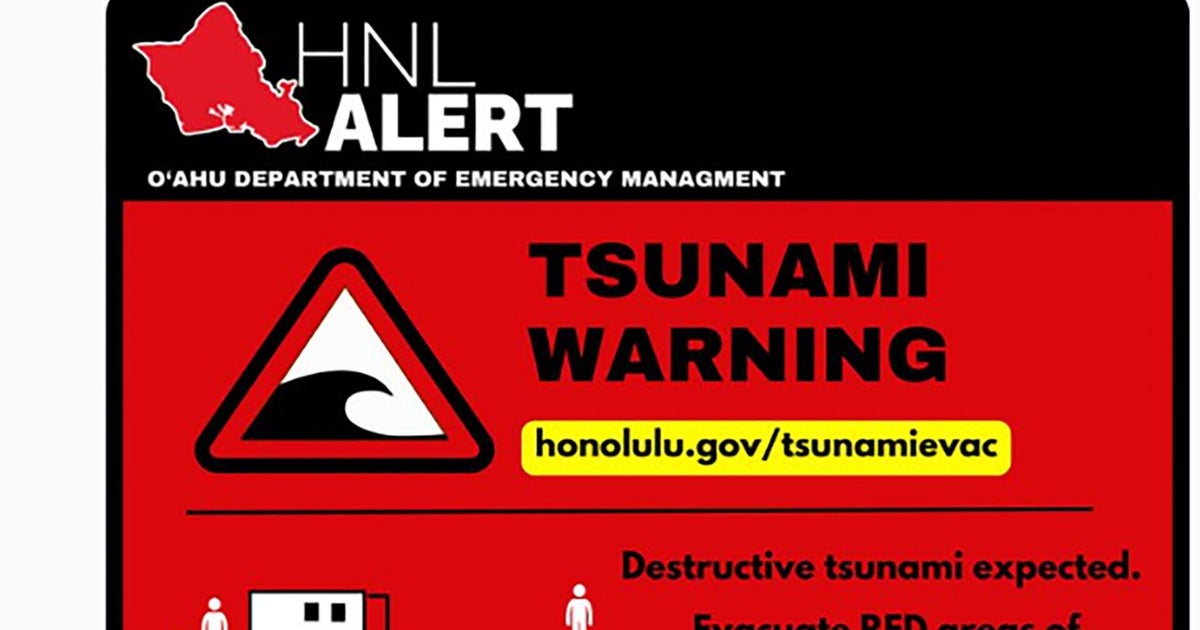
Tsunami early warnings were issued immediately after the 7.7 magnitude quake in the Sulawesi Sea, according to ANTARA News and The Jakarta Post. Tsunami warnings are triggered when an undersea earthquake meets specific criteria: it must be of sufficient magnitude, occur at a shallow depth, and involve vertical displacement of the seafloor.
In this instance, the 7.7 magnitude was well above the threshold typically required to generate a tsunami. The Sulawesi Sea’s geography means that a major quake can send waves toward both the southern Philippines and the coastlines of Indonesia. These warnings are critical for saving lives, as they provide the only window of time for coastal residents to move inland.
“Major quake off Philippines kills one, triggers tsunami warnings,” reported The Jakarta Post in its early coverage of the event.
While the warnings were issued as a precaution, the displacement of 32,000 people reported by the Jakarta Globe indicates that the threat was taken seriously by both the government and the local population.
What are the long-term implications for the region?
The combination of 61 deaths, 40 missing persons, and 32,000 displaced residents points to a significant recovery challenge for the southern Philippines. The loss of life is compounded by the loss of infrastructure, which hampers the ability of the region to return to normalcy.
Regional stability in the southern Philippines is often fragile. Large-scale natural disasters can exacerbate existing social and economic vulnerabilities. The need to rebuild thousands of homes while managing the trauma of a major seismic event requires sustained international and national support.
Furthermore, the 7.7 magnitude of this event suggests that the region remains under significant tectonic stress. Seismologists typically monitor such events for aftershocks, which can further collapse buildings that were weakened by the initial quake. This creates a secondary wave of danger for rescue workers and those attempting to salvage belongings from their homes.
For more information on regional disaster preparedness, readers may find a related explainer on seismic activity in the Ring of Fire useful for understanding why this area is so prone to these events.
Frequently Asked Questions
What is the current death toll for the southern Philippines earthquake?
According to China Daily and Tempo.co English, the death toll has risen to 61 people.
How many people are still missing?
China Daily reports that 40 people remain missing following the earthquake.
What was the magnitude of the earthquake?
ANTARA News reported that the earthquake in the Sulawesi Sea had a magnitude of 7.7.
How many people lost their homes?
The Jakarta Globe reports that approximately 32,000 people were displaced by the earthquake.
Were there tsunami warnings?
Yes, both ANTARA News and The Jakarta Post confirmed that tsunami early warnings were issued following the quake.
Recovery efforts continue as authorities search for the 40 missing individuals and provide aid to the 32,000 displaced residents. The transition from early reports of a single death to the confirmed 61 fatalities underscores the severity of the impact in the southern Philippines.
