Ebola cases in DR Congo rise to 710 as authorities deny lockdown rumors – chinadailyasia.com
Confirmed Ebola cases in the Democratic Republic of Congo (DRC) have climbed to 710, according to reports from China Daily Asia and CGTN. While government officials have explicitly denied rumors of impending lockdowns, the World Health Organization (WHO) has cautioned that “blind spots” in surveillance may be concealing the actual scale of the outbreak.
Current Case Counts and Conflicting Data
The scale of the current Ebola outbreak in the Democratic Republic of Congo remains a point of statistical variance among reporting agencies. According to China Daily Asia and CGTN, the number of cases has risen to 710. However, data provided by NDTV indicates a slightly lower figure of 689 confirmed cases, with 139 confirmed deaths recorded.
This discrepancy in numbers often stems from the lag between local reporting and international verification. In high-transmission environments, the window between a “suspected” case and a “confirmed” laboratory result can create temporary gaps in public data. The current figures indicate a significant upward trend in infections, placing additional pressure on the DRC’s healthcare infrastructure.
| Source | Confirmed Cases | Confirmed Deaths |
|---|---|---|
| China Daily Asia / CGTN | 710 | Not specified |
| NDTV | 689 | 139 |
Why the WHO Warns of Surveillance ‘Blind Spots’
The World Health Organization has raised alarms regarding “blind spots” that could be hiding the full spread of the virus. According to ET HealthWorld, these blind spots occur in regions where health surveillance is fragmented or non-existent. When cases occur in remote villages without access to diagnostic centers, they often go unreported until the patient dies or a cluster of deaths triggers an investigation.
These gaps in data are typically caused by three primary factors:
- Geographic Isolation: Dense forests and poor road infrastructure in the DRC make it difficult for mobile testing teams to reach every community.
- Security Instability: Ongoing conflict in various provinces prevents health workers from safely entering certain zones to conduct contact tracing.
- Community Distrust: In some areas, fear of government intervention or misconceptions about the virus lead families to hide sick relatives from health officials.
The WHO suggests that the 710 cases reported may only represent a fraction of the true infection rate if these blind spots remain unaddressed. Without comprehensive data, the ability to predict the next “hotspot” is severely diminished.
Spread into New Territories in the DRC
The outbreak is no longer contained within its original epicenters. Al Jazeera reports that Ebola has spread into new areas of the Democratic Republic of Congo, increasing the risk of a wider regional crisis. This geographic expansion complicates the response effort, as health authorities must now deploy resources across a broader and more diverse landscape.
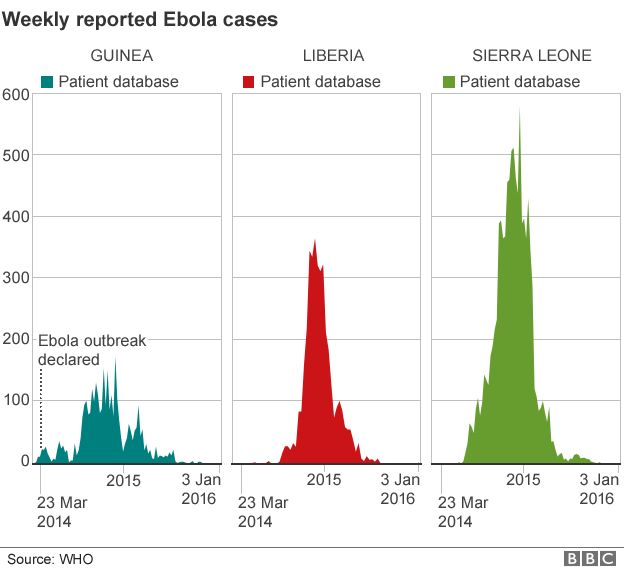
“Alarm as Ebola spreads into new areas of DR Congo,” Al Jazeera reports, highlighting the volatility of the current transmission patterns.
The movement of the virus into new zones is often linked to the migration of people fleeing conflict or seeking trade. Because Ebola can remain latent in survivors or be transmitted through contaminated materials, the movement of populations increases the likelihood of “seeding” the virus in previously unaffected provinces.
For a detailed look at how viral outbreaks move through central Africa, see our related explainer on zoonotic disease transmission.
Addressing Lockdown Rumors and Public Panic
As case numbers rose, rumors began circulating that the Congolese government would implement strict lockdowns to curb the spread of the virus. According to reports from CGTN and China Daily Asia, authorities have moved quickly to deny these claims.
The government’s denial of lockdowns is a strategic move to prevent social unrest and economic paralysis. In the DRC, where a large portion of the population relies on daily informal trade for survival, a lockdown could trigger a food security crisis. Authorities are instead emphasizing “targeted interventions,” which focus on isolating confirmed cases and monitoring high-risk contacts rather than shutting down entire cities.
However, the persistence of these rumors suggests a gap in official communication. When the public perceives a lack of transparency regarding the “blind spots” mentioned by the WHO, they are more likely to believe unofficial reports of drastic government measures.
The Complexity of Ebola Containment in Conflict Zones
Containing Ebola in the DRC is not merely a medical challenge but a security one. The virus thrives in environments where the state cannot provide basic services. In provinces where armed groups operate, the delivery of vaccines and the establishment of Treatment Centers (ETCs) become hazardous tasks.
The Contact Tracing Hurdle
Effective containment relies on contact tracing—identifying everyone who touched an infected person. In a stable environment, this is a matter of interviews and phone calls. In the DRC, it often requires navigating checkpoints and negotiating with local militias. If a contact disappears into a “blind spot,” the chain of transmission continues undetected.
Vaccination Logistics
The use of the rVSV-ZEBOV vaccine has been a turning point in previous outbreaks. However, the vaccine requires a strict “cold chain”—it must be kept at extremely low temperatures. In the humid, electricity-poor regions of the DRC, maintaining this temperature is a constant struggle, often requiring specialized portable freezers and aircraft transport.
Common Misconceptions About the Current Outbreak
Public discourse surrounding the rise to 710 cases often includes inaccuracies that can hinder the medical response. It is important to distinguish between the following:
- Misconception: Ebola is airborne.
Fact: Ebola spreads through direct contact with infected bodily fluids. It does not travel through the air like influenza or COVID-19. - Misconception: Lockdowns are the only way to stop the spread.
Fact: Targeted ring vaccination and rapid isolation of cases are generally more effective and less economically damaging than blanket lockdowns. - Misconception: The case count is final.
Fact: As the WHO noted via ET HealthWorld, the presence of surveillance gaps means the official numbers are likely an undercount.
Comparing the Current Situation to Previous Outbreaks
The DRC has faced multiple Ebola outbreaks over the last decade. The current situation, marked by 710 cases and the expansion into new areas, reflects a pattern of “persistent” outbreaks. Unlike earlier epidemics that were contained in a single village, the current trend shows a more fragmented and widespread distribution.
The primary difference in the current response is the availability of better vaccines and therapeutics. While the death toll remains high—with NDTV reporting 139 deaths—the survival rate for those who reach a treatment center early is significantly higher than it was during the 2014-2016 West African epidemic.
For more information on the history of the virus, you may find our detailed report on previous Ebola epidemics useful.
The Role of International Health Organizations
The response in the DRC is a collaborative effort. The Congolese Ministry of Health leads the operation, but the WHO and various NGOs provide the technical and financial backbone. The WHO’s role is primarily one of surveillance and standardization. By identifying the “blind spots,” the WHO pressures the government to expand testing and improve reporting transparency.
International agencies are currently focusing on three priority areas:
- Expanding Diagnostic Capacity: Deploying more rapid-test kits to remote areas to close the “blind spots.”
- Community Engagement: Hiring local leaders to explain the virus to villagers, reducing the fear that leads to hidden cases.
- Cross-Border Monitoring: Working with neighboring countries to ensure that the spread into “new areas” does not result in an international spillover.
Frequently Asked Questions
How many Ebola cases are currently confirmed in the DR Congo?
Reports vary slightly by source. China Daily Asia and CGTN report 710 cases, while NDTV reports 689 confirmed cases.
Is the DR Congo government implementing a lockdown?
No. According to official statements reported by CGTN and China Daily Asia, authorities have denied rumors of a lockdown, opting instead for targeted medical interventions.
What are the “blind spots” the WHO mentioned?
Blind spots are geographic or social areas where the virus may be spreading undetected due to a lack of health clinics, security issues, or community distrust, as reported by ET HealthWorld.
Is the virus spreading to new regions?
Yes. Al Jazeera has reported that the Ebola outbreak is expanding into new areas of the DR Congo, which increases the difficulty of containment.
What is the current death toll?
NDTV has reported 139 confirmed deaths associated with the outbreak.
The situation in the Democratic Republic of Congo remains fluid. The tension between rising case numbers and the denial of lockdowns highlights the delicate balance the government must maintain between public health and social stability. With the WHO warning that the true extent of the spread may be hidden in surveillance gaps, the focus remains on expanding testing and securing access to remote regions to prevent further geographic expansion.
