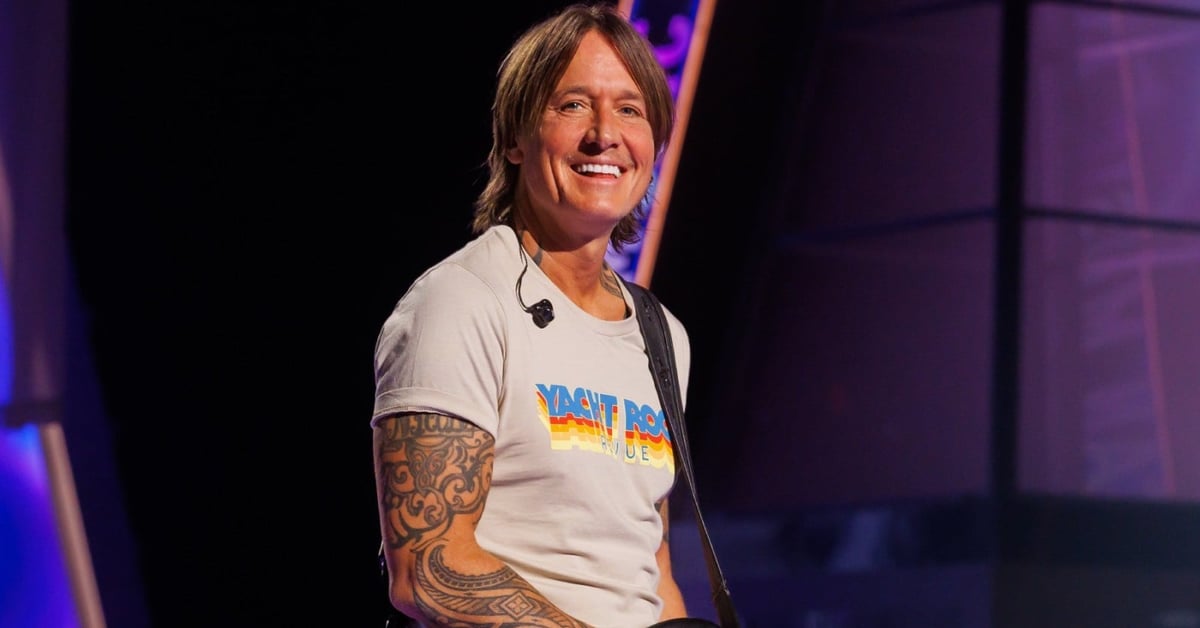
Is Country Music Going Yacht Rock? Keith Urban’s New Album Suggests Something’s Afloat
Keith Urban is integrating “Yacht Rock” elements—the polished, smooth soft-rock sound of the late 1970s and early 1980s—into his latest musical direction. This shift suggests a broader trend where modern country artists are moving beyond traditional boundaries to embrace high-production, breezy pop sensibilities, according to recent analysis of Urban’s new album direction.
How Keith Urban is Integrating Yacht Rock into Modern Country
Keith Urban has long operated at the intersection of country, pop, and rock, but his latest project signals a specific pivot toward the “Yacht Rock” aesthetic. This subgenre, characterized by sophisticated arrangements, jazz-influenced harmonies, and a relaxed, affluent atmosphere, is now finding a home in Nashville’s recording studios. Urban utilizes clean electric guitar tones, lush backing vocals, and a rhythmic smoothness that mirrors the work of 1970s icons like Steely Dan and The Doobie Brothers.
The integration is not a total abandonment of country roots but rather a layering of styles. Urban maintains his signature melodic sensibility while swapping out the grit of traditional honky-tonk for the polished sheen of a California studio recording from 1979. This approach targets a specific mood—one of leisure and sophistication—that differs from the “stadium country” sound that has dominated the charts for the last decade.
Industry observers note that this transition is a calculated move. By leaning into the “smooth” sounds of the past, Urban taps into a growing nostalgia for an era of music that prioritized technical proficiency and sonic clarity. This allows him to appeal to older listeners who grew up with soft rock while attracting younger audiences who have rediscovered the genre through streaming playlists and social media trends.
- Sonic Shift: Transition from distorted telecasters to clean, compressed guitar sounds.
- Rhythmic Change: A move toward mid-tempo, “groove-based” tracks rather than standard 4/4 country beats.
- Atmospheric Focus: Emphasis on “breezy” themes and high-fidelity production values.
What Defines the ‘Yacht Rock’ Sound in a Country Context?
To understand if country music is “going Yacht Rock,” one must first define the parameters of the original genre. Yacht Rock is not a formal genre but a retrospective term for a specific style of West Coast pop produced between roughly 1976 and 1984. It is defined by “studio perfectionism,” utilizing the best session musicians of the era to create a sound that was intellectually complex yet easy to listen to.
When applied to country music, as seen in Keith Urban’s recent work, these elements manifest in several specific ways. First, the harmonic structure becomes more complex. Traditional country often relies on three or four basic chords; Yacht Rock introduces seventh chords and suspended chords, creating a “floating” sensation. Second, the production is meticulously clean. Every instrument has its own distinct space in the mix, removing the “mud” often associated with raw country recordings.
The “Yacht” influence also extends to the lyrical content. While traditional country often focuses on hardship, heartbreak, and rural life, the Yacht Rock-influenced tracks tend to lean toward escapism, romance, and a sense of luxury. This creates a contrast with the “blue-collar” image often associated with the genre, suggesting a move toward a more cosmopolitan identity for the modern country star.
| Feature | Traditional Country | Yacht Rock Influence |
|---|---|---|
| Guitar Tone | Twangy, distorted, or acoustic | Clean, compressed, “glassy” electrics |
| Harmony | Simple I-IV-V progressions | Complex jazz-pop chords (Major 7ths) |
| Vocal Style | Drawl, emotive, raw | Smooth, layered harmonies, polished |
| Themes | Rural life, struggle, tradition | Escapism, leisure, urban romance |
The Broader Trend of Genre-Blurring in Nashville
Keith Urban’s move toward a smoother, soft-rock sound is not an isolated incident. It is part of a larger movement within the music industry where the lines between genres are becoming increasingly porous. In recent years, Nashville has seen a surge in “genre-fluid” releases that blend country with R&B, trap, and now, 70s pop.
This trend is evident in the success of artists who refuse to be boxed into a single category. For example, the recent foray of global pop stars into the country space—such as Beyoncé’s *Cowboy Carter*—demonstrates that the “Country” label is becoming more of a stylistic choice than a rigid set of rules. When an artist like Urban adopts Yacht Rock elements, he is participating in this wider cultural shift where “vibe” takes precedence over “genre.”
The rise of streaming services has accelerated this process. Listeners no longer buy “Country” albums or “Pop” albums; they subscribe to playlists like “Chill Hits” or “Summer Vibes.” This encourages artists to create music that fits into these mood-based categories. A country song with a Yacht Rock groove is more likely to land on a “Summer” playlist than a traditional ballad about a tractor, expanding the artist’s reach beyond the traditional country demographic.
Related analysis on the evolution of Nashville production suggests that the “studio-as-an-instrument” philosophy, which was central to the Yacht Rock era, is making a comeback in modern country recordings. Producers are once again prioritizing the “perfect take” and high-end outboard gear to achieve a sound that feels expensive and effortless.
How Yacht Rock Influence Differs from Traditional Country-Pop
It is important to distinguish between “Country-Pop” and “Country-Yacht Rock.” Country-Pop, which peaked in the late 1990s and early 2000s, focused on catchy hooks and radio-friendly structures. It was designed for maximum accessibility and often stripped away the “country” elements to fit a Top 40 format. It was, in essence, pop music with a slight country accent.
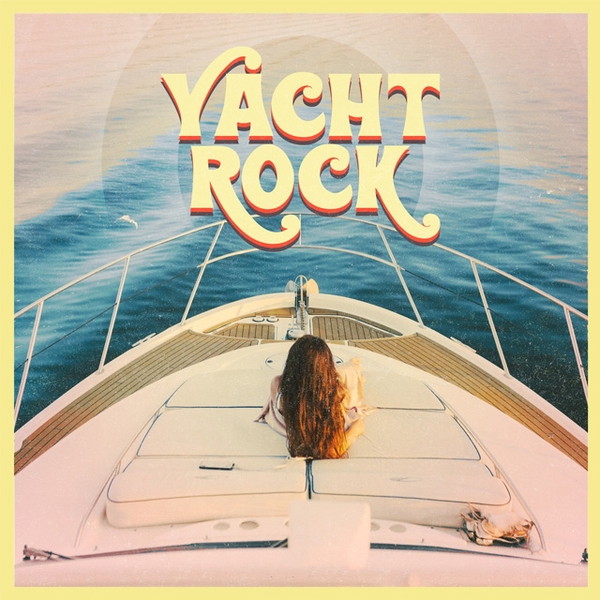
Yacht Rock influence is different because it is based on a specific musical vocabulary. It isn’t just about being “pop”; it’s about the specific arrangements of the 1970s West Coast sound. Where Country-Pop is often simplistic, Yacht Rock is musically dense. It involves intricate bass lines, sophisticated bridge sections, and a specific type of “smoothness” that is as much about the technical execution as it is about the melody.
For Keith Urban, this means moving away from the generic pop-country formula and toward something more curated. The goal is not just to be “catchy,” but to evoke a specific era of musical luxury. This distinction is critical because it allows the artist to maintain a level of musical credibility—appealing to “musician’s musicians”—while still remaining commercially viable.
“The shift toward a Yacht Rock sensibility in country music represents a move from the ‘stadium’ to the ‘salon,’ trading raw power for refined precision.”
Why This Shift Matters for the Future of Country Music
The adoption of Yacht Rock elements by a heavyweight like Keith Urban could signal a permanent expansion of what is considered “acceptable” in country music. For decades, the genre has fluctuated between “traditionalism” (returning to the roots) and “commercialism” (moving toward pop). The “Yacht” trend introduces a third path: “sophistication.”
This shift matters because it challenges the cultural identity of country music. Historically, country has been the music of the working class. Yacht Rock, by definition, is the music of the leisure class. By blending the two, artists are creating a new sonic identity that reflects a more diverse, affluent, and globalized country music audience. It suggests that the modern country listener is just as likely to be on a boat in the Mediterranean as they are in a truck in Tennessee.
Furthermore, this trend could open the door for other “forgotten” genres to enter the country fold. If the smooth sounds of the 70s are welcome, it is only a matter of time before elements of disco, city pop, or sophisticated soul find their way into mainstream Nashville productions. The “Yacht Rock” phase is likely the vanguard of a broader “Retro-Fusion” movement.
However, this transition is not without risk. Traditionalists may view the move toward “smoothness” as a dilution of the genre’s emotional core. The tension between the “raw” and the “refined” has always driven country music forward, and the rise of Yacht Rock elements will likely spark a counter-movement of “Neo-Traditionalism,” where artists double down on steel guitars and sawdust floors to provide a contrast to the polished “Yacht” sound.
Common Misconceptions About the Country-Yacht Trend
One common misconception is that “Yacht Rock” is simply another word for “Soft Rock.” While they overlap, Yacht Rock is a specific subset of soft rock that emphasizes high-end production and jazz-inflected chords. Not all soft rock is Yacht Rock, just as not all country-pop is Yacht Rock. When critics discuss Keith Urban’s new direction, they are referring to a specific aesthetic of “smoothness” and “luxury,” not just a lack of distortion.
Another misconception is that this trend is a sign of country music “losing its way.” On the contrary, many musicologists argue that this is a sign of the genre’s maturity. By incorporating elements from diverse eras and styles, country music is proving its versatility. Instead of being a static museum piece, it is acting as a living organism that absorbs and adapts other musical movements.
Finally, some believe this is merely a marketing gimmick to ride a nostalgia wave. While nostalgia plays a role, the technical shift in Urban’s music—the change in chord voicings and recording techniques—suggests a genuine artistic exploration. It is a musical choice as much as it is a commercial one.
Frequently Asked Questions
What exactly is “Yacht Rock” in the context of Keith Urban’s music?
In Keith Urban’s case, Yacht Rock refers to the adoption of a smooth, polished sound reminiscent of late 1970s West Coast pop. This includes clean electric guitars, sophisticated jazz-influenced harmonies, and a relaxed, high-fidelity production style that evokes leisure and luxury.
Is Keith Urban still making country music?
Yes, but he is expanding the definition of the genre. While the “smoothness” of Yacht Rock is present, the songwriting structures, vocal delivery, and overall thematic approach remain rooted in the country-pop tradition. It is a fusion rather than a total genre switch.
Which artists originally defined the Yacht Rock sound?
The original Yacht Rock era was defined by artists such as Steely Dan, The Doobie Brothers, Christopher Cross, Michael McDonald, and Hall & Oates. These artists prioritized studio perfection and complex arrangements.
Why is this happening now in the country music industry?
Several factors are at play: a general cultural trend toward 70s and 80s nostalgia, the influence of mood-based streaming playlists, and a broader industry move toward “genre-less” music where artists blend various styles to reach a wider audience.
Will other country artists follow this “smooth” trend?
It is likely. When an established star like Keith Urban successfully pivots his sound, it often creates a blueprint for other artists and producers. The “smooth” aesthetic is particularly well-suited for summer releases and radio play, making it an attractive option for other Nashville songwriters.
As the industry continues to evolve, the success of this “Yacht” influence will depend on whether listeners embrace the sophistication of the sound or crave a return to the raw, unpolished roots of the genre. For now, Keith Urban’s latest direction suggests that for a significant portion of the audience, something smooth is indeed afloat in the world of country music.
