
Turkiye’s Top Diplomat and Indonesia’s President Discuss $10bn Trade Goal: A New Era of Asia-Pacific Cooperation
In a significant move to strengthen ties between the Mediterranean and Southeast Asia, Turkiye’s top diplomat, Indonesia’s president discuss $10bn trade goal – Al Jazeera reporting highlights a pivotal shift in Ankara’s diplomatic and economic strategy. The discussions, centered on a bold target to elevate bilateral trade to $10 billion, signal a deeper commitment to economic integration and strategic partnership between two of the world’s most influential middle powers.
This high-level engagement is not an isolated event but part of a broader, calculated diplomatic offensive by Turkiye to expand its footprint in the Asia-Pacific region. By targeting an ambitious trade volume with Indonesia, Turkiye is positioning itself as a key partner for ASEAN nations, seeking to diversify its trade portfolio and reduce reliance on traditional Western markets amid a volatile global economic landscape.
The $10 Billion Trade Ambition: Analyzing the Turkiye-Indonesia Economic Axis
The central pillar of the recent discussions between the Turkish Foreign Minister and the Indonesian President is the aspiration to reach a $10 billion trade threshold. This figure represents more than just a numerical target; We see a statement of intent regarding the economic synergy between the two nations.
Indonesia, as the largest economy in Southeast Asia and a member of the G20, offers Turkiye a gateway to the broader ASEAN market. Conversely, Turkiye serves as a strategic bridge for Indonesia to access European and Central Asian markets. The pursuit of this $10 billion goal is likely to focus on several key sectors where both nations possess competitive advantages.
Strategic Sectors for Growth
- Defense Industry: Turkiye has emerged as a global powerhouse in unmanned aerial vehicles (UAVs) and naval engineering. Indonesia’s ongoing modernization of its military forces creates a natural alignment for defense cooperation and technology transfer.
- Infrastructure and Construction: Turkish firms are renowned for large-scale infrastructure projects globally. With Indonesia’s massive push toward urban development and the construction of its new capital, there is significant room for Turkish expertise.
- Energy and Natural Resources: Exploring sustainable energy solutions and leveraging Indonesia’s vast mineral wealth—particularly in materials critical for the green transition—remains a priority for Ankara.
- Consumer Goods and Agriculture: Expanding the trade of textiles, food products, and chemicals to balance the trade deficit and ensure food security.
To understand the scale of this ambition, it is helpful to look at the strategic goals of this partnership in a structured format:
| Strategic Goal | Primary Objective | Expected Outcome |
|---|---|---|
| Trade Volume | Reach $10 billion in bilateral trade | Diversified export markets and reduced economic volatility |
| Defense Synergy | Joint ventures in aerospace and naval tech | Increased technological autonomy for both nations |
| Regional Access | Utilize Indonesia as an ASEAN hub | Enhanced Turkish presence in Southeast Asian markets |
| Diplomatic Alignment | Coordination on G20 and OIC issues | Stronger voice for the “Global South” in international forums |
The Asia-Pacific Tour: A Strategic Pivot
The discussions in Indonesia are part of a comprehensive Asia-Pacific tour undertaken by Turkish Foreign Minister Hakan Fidan. This tour underscores a fundamental shift in Turkiye’s foreign policy, often referred to as a “pivot to Asia.” For decades, Turkish diplomacy was heavily weighted toward Europe and the Middle East; however, the current administration is actively seeking a more balanced, global approach.
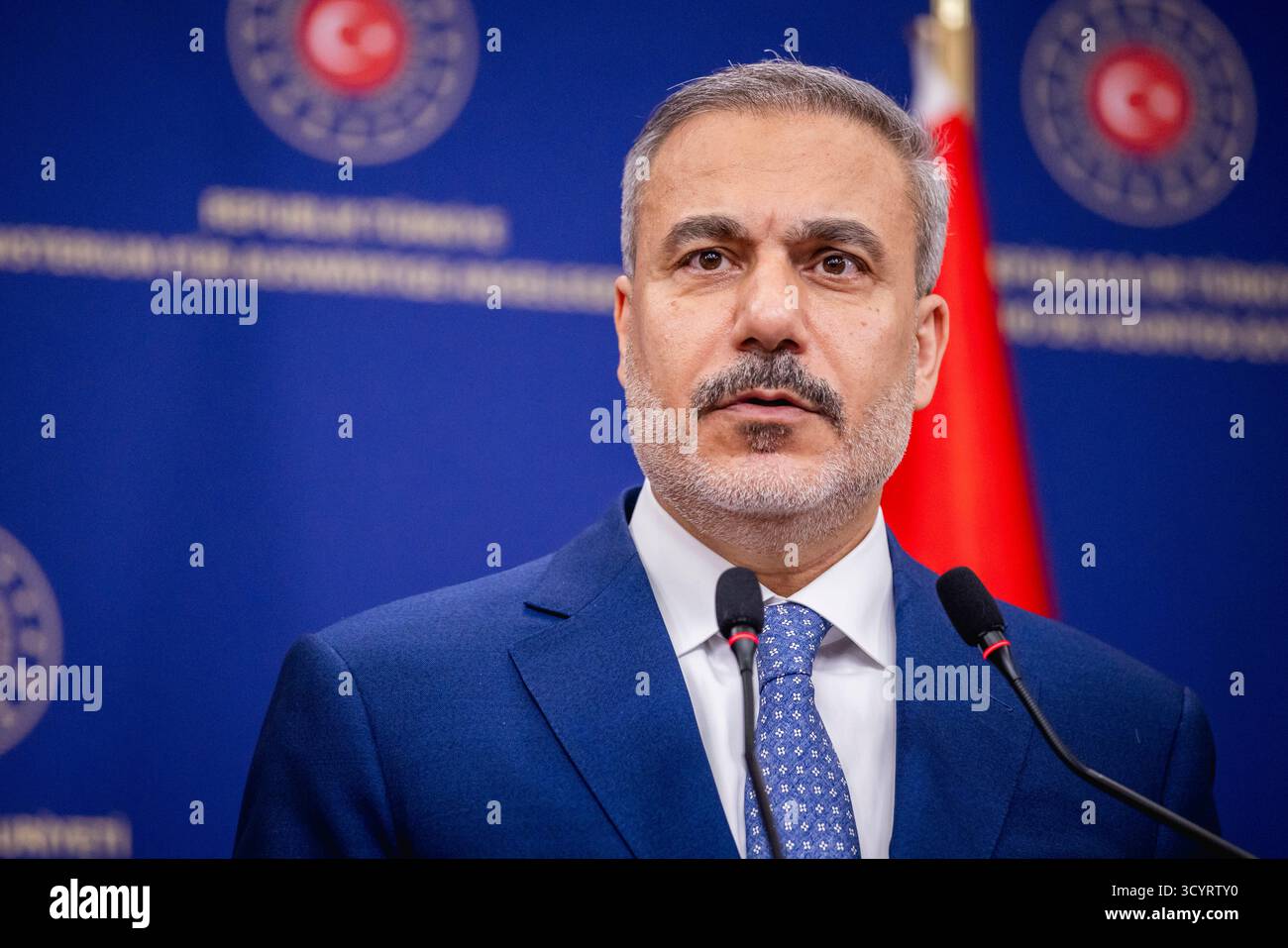
The first stop of this tour was Singapore, where Minister Fidan engaged in high-level talks to expand cooperation in both economy and security. The choice of Singapore as the starting point is strategic, given the city-state’s role as a global financial hub and its sophisticated approach to security and maritime trade.
The Singapore Engagement: Economy and Security
In Singapore, the focus was twofold: enhancing economic ties and tightening security cooperation. The Turkish Foreign Minister emphasized the need for expanded cooperation, recognizing Singapore’s efficiency in trade logistics and its strategic position in the Malacca Strait.
Key areas of focus in the Singaporean leg of the tour included:
- Financial Services: Leveraging Singapore’s fintech ecosystem to attract investment into Turkish markets.
- Maritime Security: Sharing intelligence and strategies to ensure the safety of global shipping lanes, which are critical for Turkiye’s exports.
- Cybersecurity: Collaborative efforts to combat digital threats and protect critical infrastructure.
By linking the engagements in Singapore and Indonesia, Turkiye is creating a network of strategic partnerships across the region, ensuring that its economic interests are protected and its diplomatic influence is expanded.
Rejecting ‘Strategic Resignation’ Amid Global Disorder
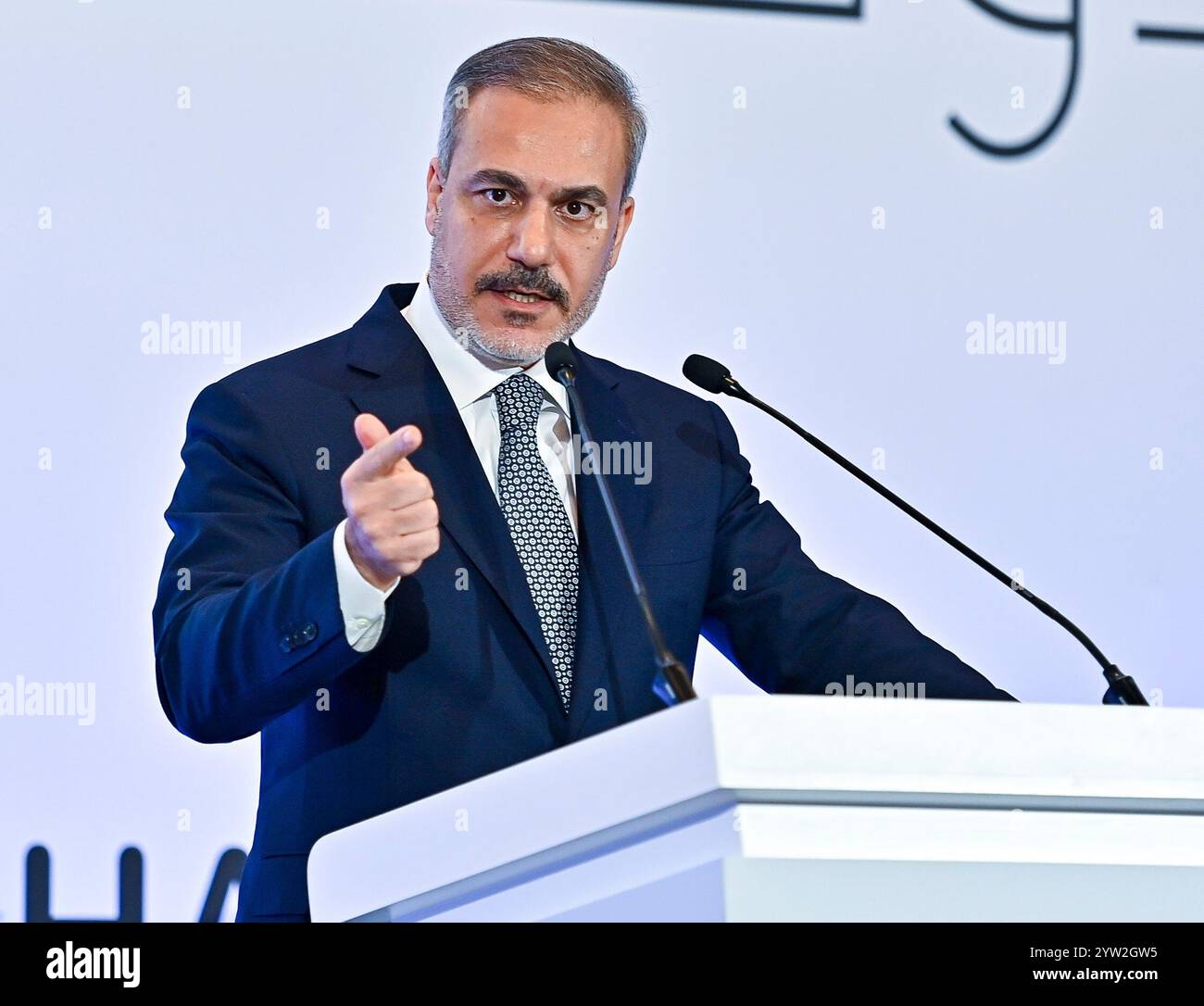
One of the most provocative and intellectually significant aspects of Minister Fidan’s tour was his commentary on “strategic resignation.” During his visit to Singapore, the Foreign Minister stated that Turkiye and Singapore are among the countries rejecting the notion of strategic resignation in the face of global disorder.
“Türkiye, Singapore among countries rejecting ‘strategic resignation’ amid global disorder.”
To the casual observer, “strategic resignation” might sound like a technical term, but in the context of international relations, it refers to a dangerous trend where middle powers or smaller nations withdraw from global leadership, abandon multilateral diplomacy, or succumb to the pressures of superpower rivalry. Strategic resignation is essentially a form of diplomatic isolationism—the belief that the world is too chaotic to influence and that the safest path is to retreat into one’s own borders.
Why This Rejection Matters
The rejection of strategic resignation by Turkiye and Singapore is a signal to the world that middle powers are no longer content to be mere spectators in the geopolitical struggle between the United States and China. Instead, they are asserting their agency.
The implications of this stance include:
- Active Mediation: Turkiye continues to position itself as a mediator in regional conflicts, refusing to resign from its role as a bridge between the East and West.
- Multilateralism: A commitment to strengthening international organizations and creating new forums for cooperation that are not dominated by a single superpower.
- Strategic Autonomy: The pursuit of a foreign policy that serves national interests first, allowing for flexible partnerships with multiple global actors simultaneously.
By framing the current global state as one of “disorder,” Minister Fidan acknowledges the volatility of the present moment—marked by war, economic instability, and shifting alliances—but argues that the solution is more engagement, not less.
Geopolitical Implications: The Rise of the Middle-Power Axis
The convergence of Turkiye, Indonesia, and Singapore in a shared vision of economic growth and diplomatic activity points toward the emergence of a “Middle-Power Axis.” These nations possess significant economic weight, strategic geography, and diplomatic agility, allowing them to navigate the complexities of the 21st century without being fully subsumed by the interests of larger hegemonies.
The Logic of the Global South
Indonesia and Turkiye are both influential members of the Organization of Islamic Cooperation (OIC) and the G20. Their alignment creates a powerful bloc within the “Global South,” advocating for a more equitable international order. When Turkiye’s top diplomat, Indonesia’s president discuss $10bn trade goal – Al Jazeera, they are not just talking about money; they are talking about the redistribution of economic influence.
For Indonesia, partnering with Turkiye provides a strategic alternative to its traditional dependencies. For Turkiye, Indonesia is the cornerstone of its ASEAN strategy. Together, they can challenge the status quo of global trade and security architectures, pushing for a multipolar world where regional powers have a greater say in global governance.
Potential Challenges to the $10bn Goal
While the ambition is high, several obstacles could hinder the achievement of the $10 billion trade target:
- Logistical Hurdles: The vast geographical distance between Ankara and Jakarta requires efficient shipping routes and reduced transit costs.
- Regulatory Barriers: Differing customs regulations and trade laws can unhurried down the movement of goods.
- Currency Volatility: Both the Turkish Lira and the Indonesian Rupiah have faced periods of volatility, which can impact the predictability of long-term trade contracts.
- Geopolitical Friction: Shifts in the broader geopolitical climate, particularly regarding tensions in the South China Sea or the Middle East, could indirectly affect bilateral stability.
Despite these challenges, the political will demonstrated by the highest levels of government in both countries suggests a determination to overcome these barriers through diplomatic negotiation and economic reform.
Comparing Strategic Approaches: Turkiye vs. Other Middle Powers
Turkiye’s approach to the Asia-Pacific is distinct from other middle powers. While some nations seek a “hedging” strategy—trying to remain neutral to avoid offending superpowers—Turkiye’s approach is more proactive and assertive. The rejection of “strategic resignation” is the antithesis of hedging; it is a commitment to active engagement.
In contrast, some other regional players have focused primarily on security pacts with the West. Turkiye, however, is blending security cooperation with aggressive economic expansion. The synergy between the Singaporean security talks and the Indonesian trade talks demonstrates a holistic approach to diplomacy where economy and security are treated as two sides of the same coin.
This strategy allows Turkiye to maintain a diverse set of alliances, making it more resilient to external shocks. If one trade route is blocked or one diplomatic relationship sours, the existence of a robust partnership with a nation like Indonesia provides a critical safety net.
Frequently Asked Questions
What is the primary goal of the discussions between Turkiye’s top diplomat and Indonesia’s president?
The primary goal is to significantly increase bilateral trade between the two nations, with a specific target of reaching $10 billion in trade volume. This involves expanding cooperation in defense, infrastructure, energy, and consumer goods.
What does “strategic resignation” mean in the context of Turkish diplomacy?
Strategic resignation refers to the tendency of some nations to withdraw from global leadership or diplomatic engagement due to global disorder. Turkish Foreign Minister Hakan Fidan has explicitly rejected this, arguing that Turkiye and Singapore will remain active, engaged players in international affairs.
Why is Singapore important to Turkiye’s Asia-Pacific tour?
Singapore serves as a critical financial and logistical hub in Asia. By starting the tour in Singapore, Turkiye aims to expand its economic cooperation and security ties, leveraging Singapore’s expertise in maritime security and financial services to facilitate broader regional growth.
How does the $10bn trade goal fit into Turkiye’s broader foreign policy?
It is a key part of Turkiye’s “pivot to Asia,” a strategy designed to diversify its economic partnerships and increase its diplomatic influence in the Asia-Pacific region, reducing its reliance on traditional Western markets.
Which sectors are expected to drive the increase in trade between Turkiye and Indonesia?
The most promising sectors include the defense industry (particularly UAVs and naval tech), large-scale infrastructure and construction, energy transition materials, and the exchange of agricultural and consumer products.
The ongoing efforts to bridge the gap between Ankara and Jakarta represent a calculated bet on the future of the Global South. As the world continues to grapple with systemic disorder, the refusal to resign from the global stage and the drive toward ambitious economic targets suggest that the axis between Turkiye and Indonesia will be a force to watch in the coming decade. The success of the $10 billion trade goal will serve as a litmus test for the viability of middle-power partnerships in an era of superpower competition.
