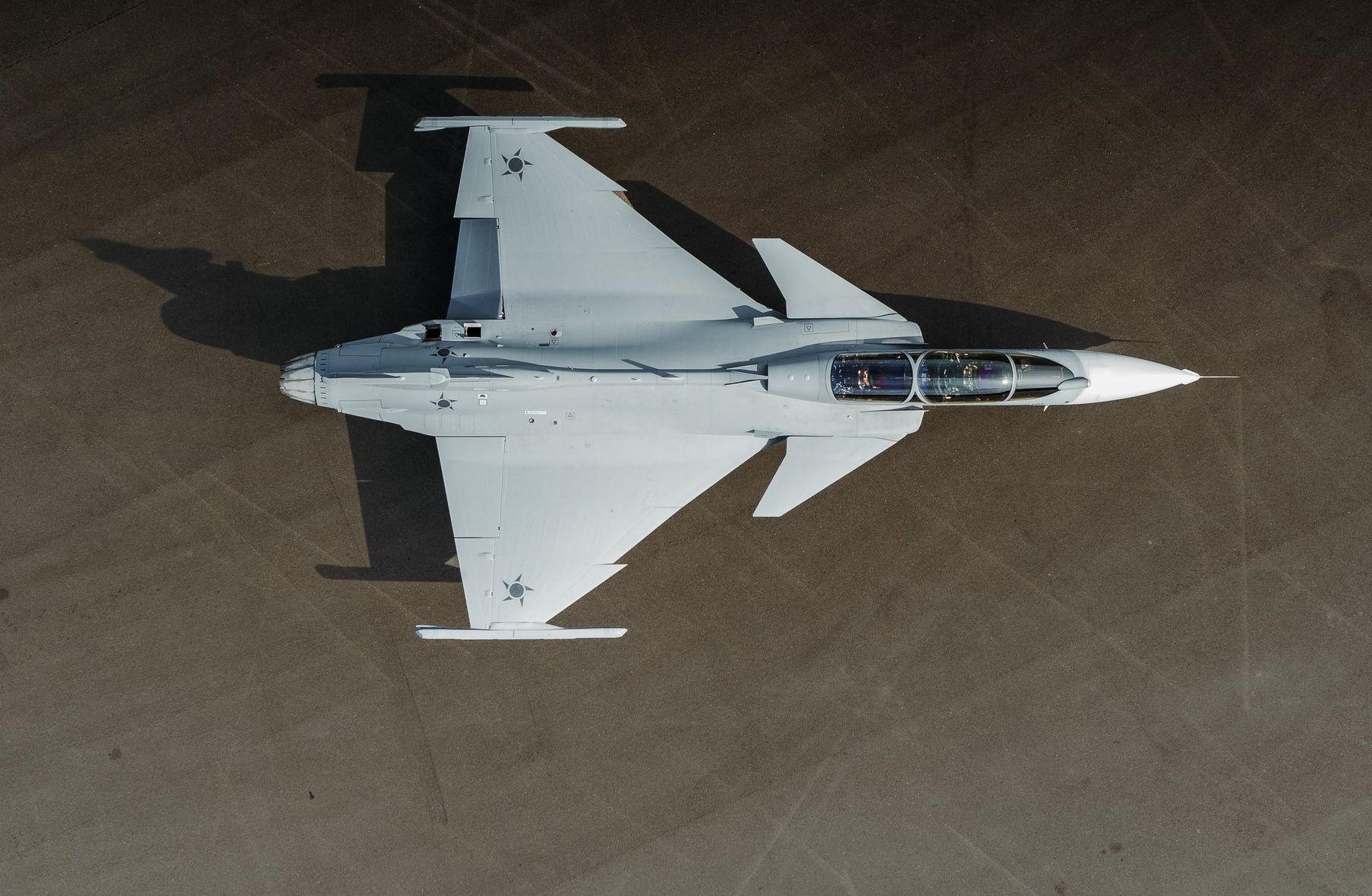
Warsaw has officially entered the elite circle of nations operating the world’s most advanced stealth technology with the delivery of its first Lockheed Martin F-35A Lightning II fighter jet. The arrival of the aircraft marks a pivotal shift in the aerial capabilities of the Polish Air Force and reinforces the security architecture of NATO’s eastern flank.
Fast Facts
- Aircraft Model: F-35A Lightning II (Conventional Take-Off and Landing variant).
- Total Order: Poland is slated to receive 32 aircraft as part of a long-term modernization program.
- Primary Capability: Low-observable (stealth) technology combined with advanced sensor fusion.
- Strategic Goal: Enhancing deterrence and intelligence-gathering capabilities in Eastern Europe.
A Leap in Aerial Sovereignty
The delivery of the first F-35A is not merely a hardware upgrade but a fundamental transformation of how Poland projects power in the skies. Unlike previous generations of fighter jets, the Lightning II is designed to operate in highly contested environments where traditional aircraft would be detected and neutralized by modern air defense systems.
By integrating the F-35A into its fleet, Poland gains a multi-role platform capable of performing air superiority missions, precision strikes, and electronic warfare. The aircraft’s ability to remain nearly invisible to radar allows it to penetrate deep into enemy airspace to gather critical intelligence or strike high-value targets without being detected.
The Stealth Advantage and Sensor Fusion
Beyond its low-observable profile, the F-35A serves as a flying command center. According to technical reports, the aircraft utilizes a sophisticated system of sensor fusion, which aggregates data from various sources and presents it to the pilot as a single, coherent tactical picture.
This capability allows Polish pilots to identify threats and targets at distances far exceeding the range of conventional fighters. The aircraft’s advanced avionics enable it to coordinate with other NATO assets, acting as a force multiplier for ground troops and naval vessels in the region.
Geopolitical Implications for Eastern Europe
The acquisition of the F-35A comes at a time of heightened tension in Eastern Europe. For Warsaw, the deployment of stealth fighters is a strategic necessity intended to deter potential aggression and ensure a credible defense posture.
The move aligns Poland with a small group of allies who operate the F-35, facilitating deeper interoperability with the United States and other NATO members. This shared platform simplifies logistics, joint training, and coordinated combat operations, ensuring that the alliance can respond rapidly to regional crises.
Path to Full Operational Capability
The first aircraft delivered represents the beginning of a phased rollout. The Polish government intends to integrate the remaining aircraft of its 32-jet order over the coming years, accompanied by extensive pilot training and the development of specialized ground infrastructure to maintain the stealth coating and advanced electronics of the fleet.
As the Polish Air Force transitions toward this fifth-generation capability, the focus will shift toward establishing full operational readiness, ensuring that the F-35A can be seamlessly deployed alongside existing air assets to maintain regional stability.
