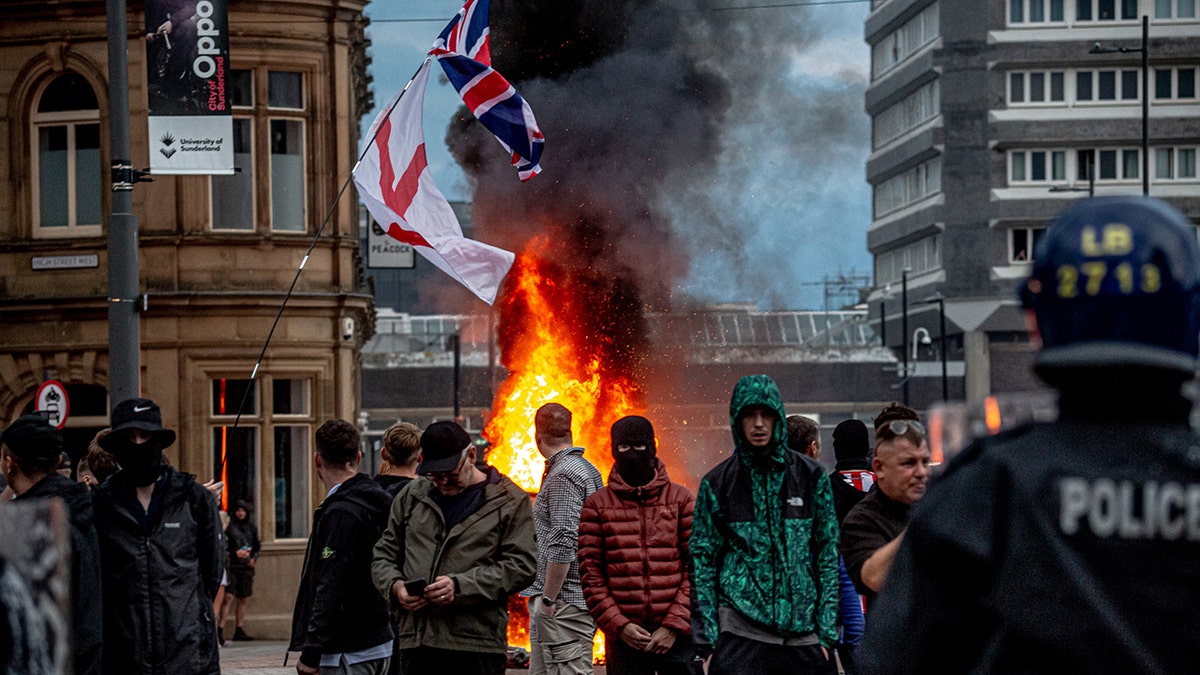
The death of 18-year-old Henry Nowak following a police encounter in Southampton has ignited a national debate over racial bias and law enforcement practices in the United Kingdom, with protests erupting and political leaders under intense scrutiny.
Racial Tensions and Political Fallout
Bodycam footage released by local authorities depicting the restrained, dying student has intensified public anger, with critics accusing law enforcement of excessive force and systemic racial discrimination. The incident has become a flashpoint in an ongoing national conversation about policing, particularly in communities of color. Prime Minister Keir Starmer faces mounting pressure to address concerns, while opposition figures like Nigel Farage have drawn sharp criticism for remarks associated with the “white lives matter” movement.
Protesters in Southampton clashed with police after the footage surfaced, leading to widespread unrest. Local media reports describe scenes of frustration and grief, with demonstrators demanding accountability and reform. The case has also sparked discussions about the broader implications for UK policy, including calls for independent investigations into police conduct and transparency measures.
Context and Historical Precedents
The incident occurs amid a backdrop of growing public distrust in law enforcement, particularly following high-profile cases involving Black and minority ethnic individuals. Advocacy groups have long highlighted disparities in policing, citing data showing higher rates of use-of-force incidents against people of color. The death of Henry Nowak has reignited these concerns, with activists arguing that systemic inequities remain unaddressed.
Political leaders have responded with mixed messaging. Starmer, leader of the Labour Party, has called for a thorough review of the circumstances surrounding the incident, while Farage, leader of Reform UK, faced backlash for statements perceived as downplaying racial tensions. The controversy underscores the deepening divisions within the UK’s political landscape, with debates over identity, justice, and governance at the forefront.
International observers have noted the incident’s potential to influence broader conversations about policing and racial justice. The UK’s approach to this crisis could set a precedent for how democracies balance public safety with civil liberties, particularly in an era of heightened social awareness and activism.
What’s Next
Investigations into the police response are ongoing, with local authorities pledging to release additional details as they become available. Parliamentary committees have announced plans to examine the case’s implications for national policing standards. Meanwhile, community leaders and legal experts continue to call for long-term reforms, emphasizing the need for dialogue and structural change.
