Keir Starmer Condemns Southampton Riots Following Murder of Henry Nowak
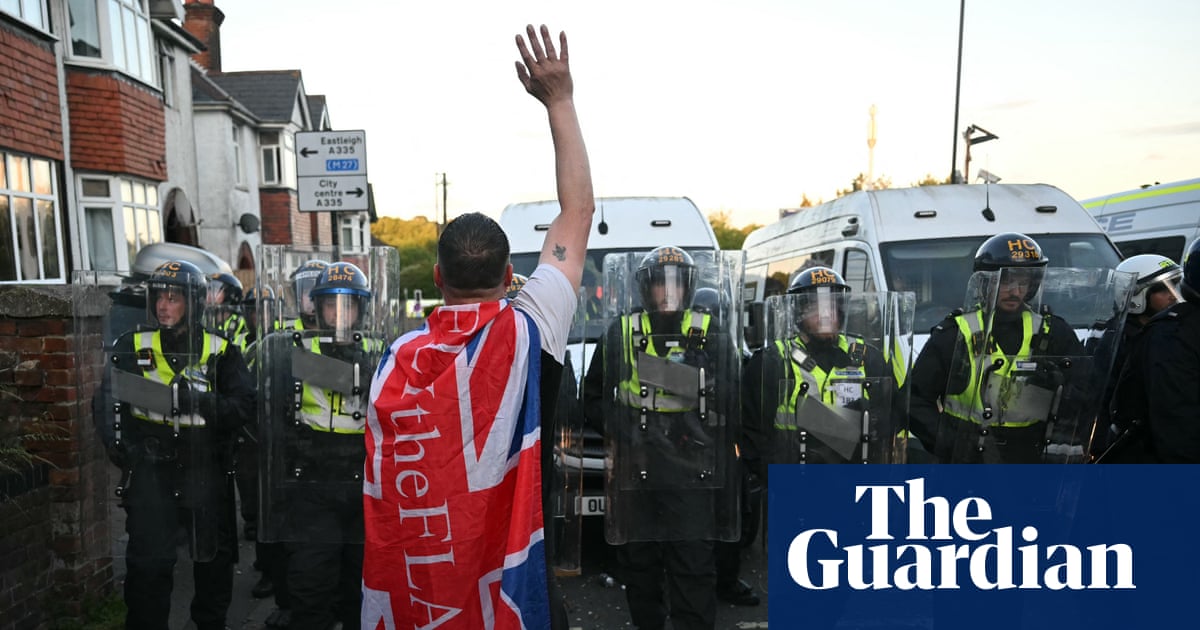
Prime Minister Keir Starmer has issued a stern condemnation of the violent unrest currently gripping Southampton, following the tragic murder of a teenager named Henry Nowak. The events have rapidly evolved from a local tragedy into a national crisis, sparking intense debates over the state of British policing, the intersection of race and crime, and the role of political figures in responding to civil disorder.
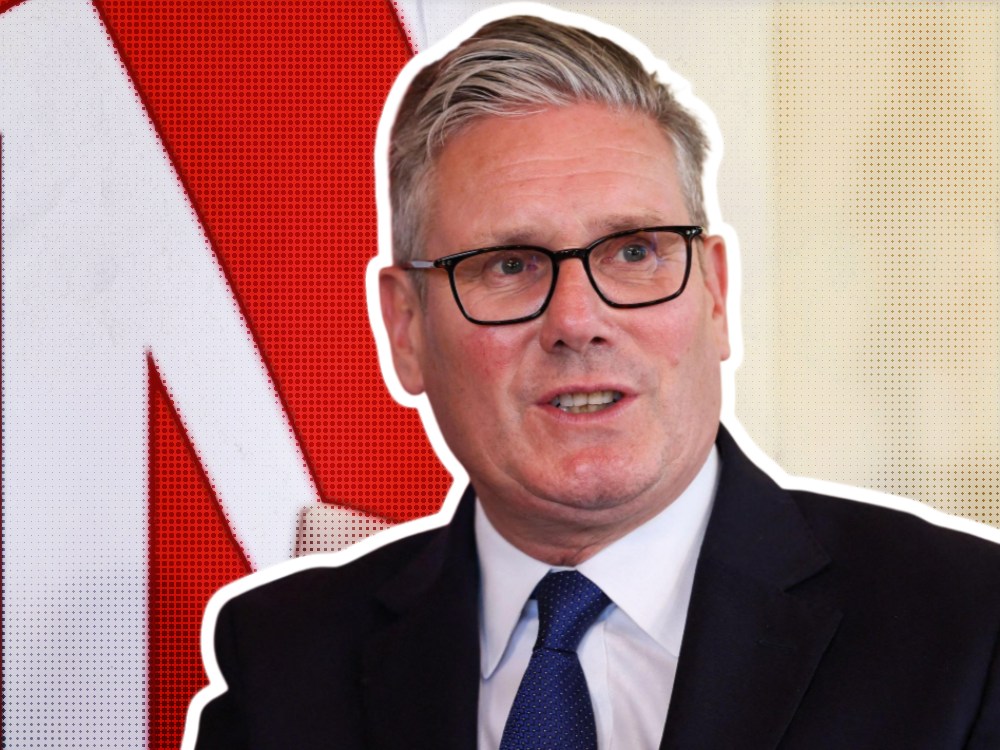
The unrest in Southampton serves as a volatile flashpoint, highlighting deep-seated social tensions and a growing political divide. As the government moves to restore order, the Prime Minister is facing significant pressure to address accusations of “two-tier policing”—a claim that law enforcement applies different standards of justice depending on the political or ethnic identity of those involved. In a direct response to these claims, Sir Keir has denied any such disparity, while simultaneously accusing political opponents of capitalizing on a young man’s death for partisan gain.
The Catalyst: The Death of Henry Nowak
At the center of this national row is Henry Nowak, a teenager described as “ambitious” whose life was cut short by murder. While the specifics of the crime have ignited widespread anger, the loss of Nowak has become a symbol for broader grievances regarding safety and justice in the United Kingdom.
The reaction to Nowak’s death was almost immediate, with grief quickly turning into anger. In Southampton, this anger manifested as riots, with reports of clashes and disorder that have forced a significant police presence in the city. For many, the murder was not an isolated incident but a symptom of systemic failures. For others, the subsequent riots are a dangerous escalation that threatens the rule of law.
| Key Element | Details |
|---|---|
| Victim | Henry Nowak, described as an ambitious teenager. |
| Location of Unrest | Southampton, UK. |
| Primary Government Response | Condemnation of riots; denial of “two-tier policing.” |
| Core Controversies | Race, policing standards, and political exploitation of the tragedy. |
Political Friction and the ‘Two-Tier Policing’ Debate
The aftermath of the Southampton riots has triggered a fierce political battle. The Prime Minister has been vocal in his criticism of those he believes are exploiting the tragedy of Henry Nowak to fuel division. Specifically, Sir Keir has targeted Nigel Farage, accusing him of “playing politics” and utilizing the case to advance a specific political agenda rather than respecting the mourning of the victim’s family.
Central to this conflict is the allegation of “two-tier policing.” This term has become a recurring theme in recent UK political discourse, suggesting that the police are more lenient toward certain groups—often those associated with specific ethnic or political backgrounds—while being more aggressive toward others, particularly those on the right of the political spectrum.
The Prime Minister has explicitly denied these claims, asserting that the law is applied equally to all citizens regardless of their background or political affiliation.
While some political figures have leaned into these accusations, others have taken a more measured approach. Observers have noted a contrast in the reactions of key figures; for instance, Kemi Badenoch has been described as having “seen sense,” suggesting a shift away from the more inflammatory rhetoric employed by figures like Farage.
The Role of Nigel Farage
Nigel Farage’s involvement in the discourse surrounding Henry Nowak’s death has been a primary source of tension. The Prime Minister’s accusation that Farage is “exploiting” the case suggests a belief that the tragedy is being used as a tool to stoke social unrest or to validate theories about systemic bias in the justice system. This clash highlights the widening gap between the government’s attempt to maintain social cohesion and the strategy of political outsiders who highlight perceived grievances to mobilize their base.
Systemic Questions: Policing and Race
Beyond the immediate political sparring, the murder of Henry Nowak and the resulting riots have reopened a difficult national conversation about race and policing in the UK. The events in Southampton have raised fundamental questions about whether the current policing model is equipped to handle racially charged tensions and whether public trust in the authorities is eroding.
The discourse suggests several key areas of concern:
- Perceived Bias: The belief among some communities that policing is not neutral, leading to a breakdown in cooperation between the public and law enforcement.
- Community Tension: How a single violent crime can act as a catalyst for wider unrest when underlying social frustrations are already high.
- The ‘Ambitious’ Youth: The tragedy of Nowak’s death reflects a broader concern about the safety and future of young people in volatile urban environments.
Experts suggest that when a community perceives a lack of justice—or a disparity in how justice is delivered—the likelihood of civil unrest increases. The Southampton riots are seen by some as a manifestation of this perceived injustice, regardless of whether the “two-tier” claims are factually supported by police data.
Comparative Analysis of Perspectives
The reaction to the Nowak case can be broken down into three distinct narratives:
- The Government Narrative: The focus is on the rule of law. The murder is a tragedy, the riots are criminal acts, and any suggestion of biased policing is a dangerous falsehood intended to destabilize society.
- The Populist Narrative: The murder is evidence of a failing state and a biased police force. The riots are a reaction to “two-tier” justice and a systemic disregard for certain victims.
- The Social Justice Narrative: The event highlights the intersection of race, class, and policing, suggesting that both the crime and the unrest are symptoms of deep-rooted societal inequality.
The Impact on National Stability
The transition of a local murder into a national row indicates a fragile state of social cohesion. When the Prime Minister is forced to spend significant political capital denying claims of biased policing, it suggests that a meaningful portion of the electorate no longer trusts official narratives.
The implications of this are twofold. First, it complicates the work of police on the ground, who must manage not only the immediate violence in Southampton but also the perception that they are political actors rather than neutral enforcers of the law. Second, it creates a vacuum that political opportunists can fill, using high-emotion events to drive a wedge between different demographics of the population.
To address this, the government may need to move beyond simple condemnations and offer a more transparent accounting of how policing decisions are made during periods of civil unrest. Without such transparency, the “two-tier” narrative is likely to persist, regardless of the evidence provided by the Home Office or police chiefs.
For more information on the current state of UK law enforcement, you may find a related explainer on UK policing reforms useful.
Frequently Asked Questions
What triggered the riots in Southampton?
The riots were triggered by the murder of Henry Nowak, an ambitious teenager. The death sparked anger and grief, which subsequently escalated into violent unrest and clashes in the city of Southampton.
What is “two-tier policing”?
Two-tier policing is a claim that law enforcement agencies apply different levels of severity or standards of justice depending on the political, religious, or ethnic identity of the individuals involved. Prime Minister Keir Starmer has explicitly denied that Here’s occurring in the UK.
How has Keir Starmer responded to the situation?
The Prime Minister has condemned the riots as unacceptable and has accused political figures, specifically Nigel Farage, of exploiting the tragedy of Henry Nowak’s death for political purposes. He has maintained that the law is applied equally to everyone.

Who is Henry Nowak?
Henry Nowak was a teenager described as “ambitious” whose murder became the catalyst for a national debate on race and policing, as well as the riots in Southampton.
What is the difference between the reactions of Nigel Farage and Kemi Badenoch?
Reports indicate that while Nigel Farage has been accused of “playing politics” and exploiting the case, Kemi Badenoch has been described as having “seen sense,” implying a more measured or less inflammatory approach to the tragedy.
As the investigation into Henry Nowak’s murder continues and the city of Southampton attempts to recover from the unrest, the political fallout is likely to persist. The clash between the Prime Minister and his critics over the nature of British justice suggests that the events in Southampton are not just a local issue, but a reflection of a broader struggle over the identity and fairness of the UK’s legal and social systems.
