
Trump’s Expletive-Laden Call with Netanyahu: What Happened and Why It Matters
In a dramatic turn of events, former U.S. President Donald Trump has confirmed a heated phone call with Israeli Prime Minister Benjamin Netanyahu, during which he reportedly used strong language. The exchange, described as “a little perturbed” by Trump, has sparked significant discussion about the dynamics of U.S.-Israel relations and the broader Middle East crisis. This article delves into the details of the conversation, its context, and the reactions from experts and analysts.
The Core Event: A Heated Conversation
The phone call between Trump and Netanyahu reportedly occurred during a period of heightened tensions in the Middle East. While the exact details of the conversation remain undisclosed, Trump’s acknowledgment of the exchange has raised questions about the nature of the discussion. The use of expletives, as described by sources, suggests a level of frustration or disagreement on critical issues affecting the region.

Such a direct and impassioned exchange is unusual for high-level diplomatic communications, where maintaining a veneer of professionalism is typically expected. The incident highlights the complex relationship between the two leaders, who have often been seen as allies but have also faced moments of friction over policy decisions.
Experts suggest that the call may have been prompted by recent developments in the region, including ongoing conflicts and the challenge of maintaining peace. The specific topics discussed remain unclear, but the intensity of the conversation underscores the significance of the issues at stake.
Key Players: Trump, Netanyahu, and the Broader Political Landscape
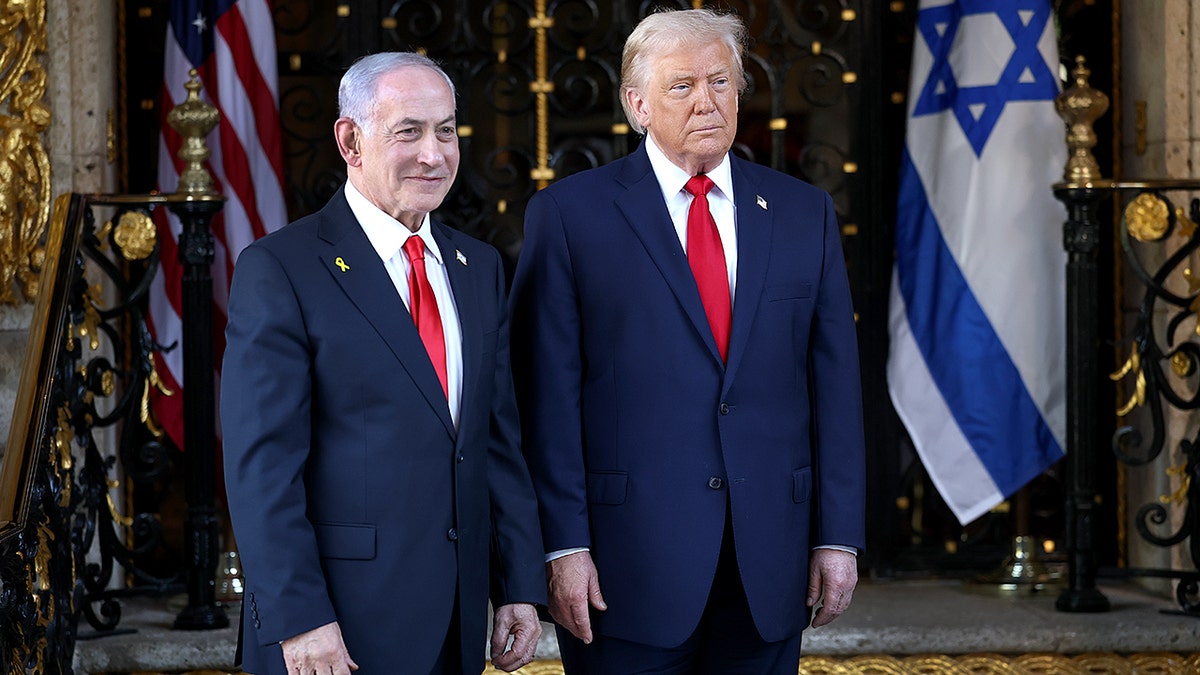
Donald Trump, the 45th president of the United States, has been known for his unconventional approach to diplomacy and his tendency to speak candidly. His presidency was marked by a focus on strong leadership and a willingness to challenge traditional norms in international relations. Netanyahu, the longest-serving prime minister of Israel, has navigated a complex political landscape, balancing domestic and foreign policy challenges.
Their relationship has been characterized by both cooperation and conflict. Trump’s administration was largely supportive of Israel, providing military aid and recognizing Jerusalem as the capital. However, there have been instances where their interests diverged, particularly regarding the Israeli-Palestinian conflict and regional security.
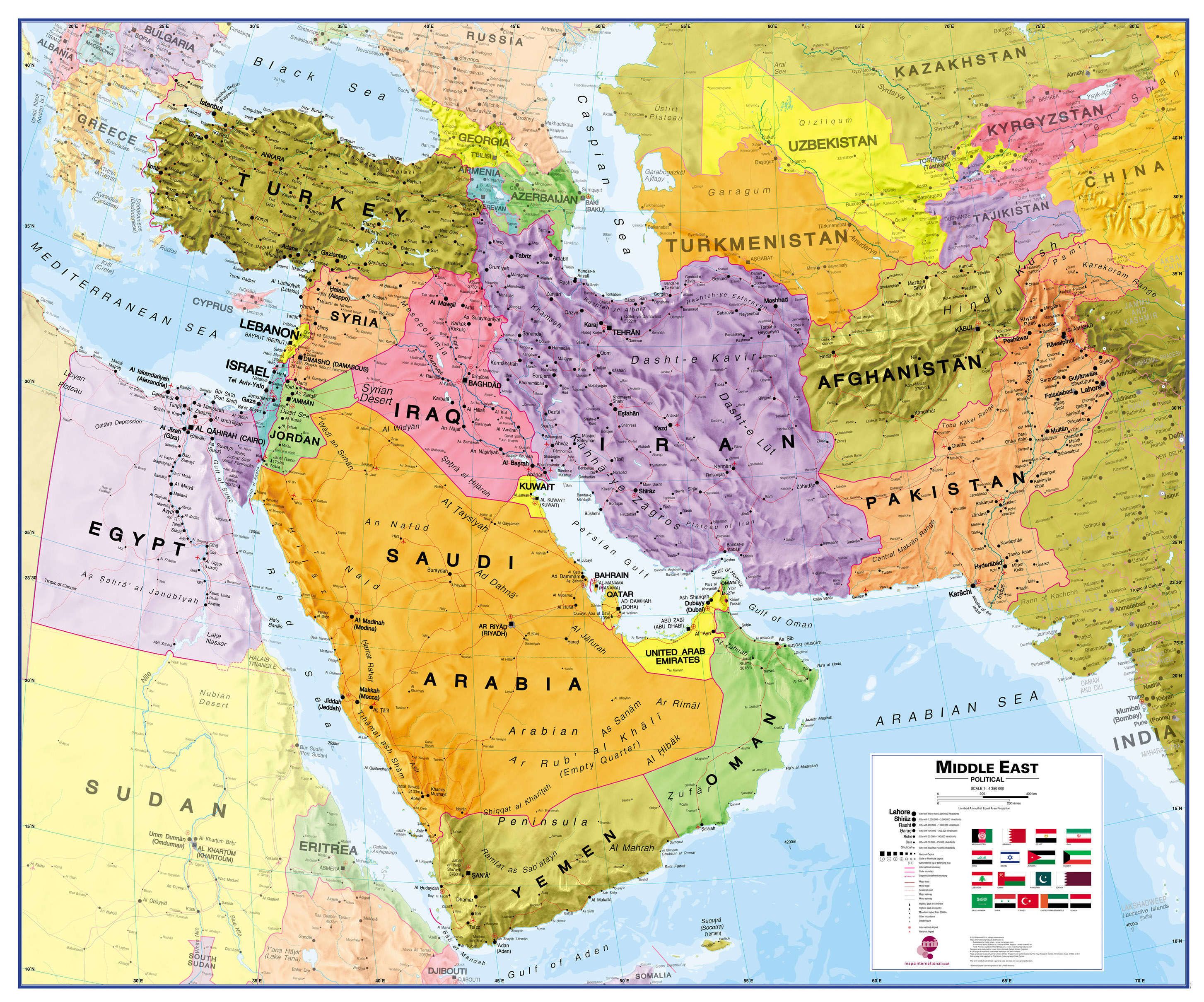
The recent call comes amid a backdrop of increasing instability in the Middle East. The region has been grappling with issues such as the ongoing conflict in Gaza, the rise of extremist groups, and the challenge of achieving a lasting peace. The dynamics between the U.S. And Israel are critical in shaping the trajectory of these issues, and any disruption in communication could have far-reaching consequences.
Context and Background: The Tensions in the Middle East
The Middle East has long been a focal point of global attention due to its strategic importance, rich resources, and complex geopolitical landscape. Recent years have seen a series of conflicts and diplomatic efforts aimed at achieving stability. The Israeli-Palestinian conflict, in particular, remains a contentious issue, with both sides seeking to protect their interests and secure their future.
The U.S. Has historically played a significant role in the region, often acting as a mediator and providing support to key allies. However, the approach of the Trump administration was marked by a shift in priorities, with a focus on “America First” policies and a more transactional approach to foreign relations. This shift has had implications for the U.S.’s role in the Middle East and its relationships with regional powers.
The recent call between Trump and Netanyahu may be seen as part of a broader pattern of high-stakes diplomacy. As the U.S. Seeks to maintain its influence in the region, the relationship with Israel remains crucial. Any rifts or disagreements could impact the effectiveness of U.S. Foreign policy and the stability of the region.
Reactions and Expert Analysis
The revelation of the expletive-laden call has prompted a range of reactions from political analysts, media outlets, and the public. Some experts view the incident as a reflection of the challenges faced by leaders in navigating complex international relations. Others suggest that the use of strong language may indicate underlying tensions or disagreements that need to be addressed.
Analysts have pointed out that the incident highlights the importance of effective communication in diplomacy. While strong language can sometimes be a tool for emphasizing points, it can also lead to misunderstandings or escalate tensions. The way in which leaders manage their interactions can have a significant impact on the outcomes of negotiations and the overall stability of the region.
Some observers have questioned the implications of the call for U.S.-Israel relations. While the two countries have a strong alliance, the incident may signal a need for greater transparency and careful management of their interactions. The media’s role in reporting on such events is also critical, as it can shape public perception and influence the narrative surrounding diplomatic efforts.
Long-Term Implications and What’s Next
The long-term implications of the call are still unfolding, but the incident has already sparked discussions about the future of U.S.-Israel relations. As the political landscape continues to evolve, the ability of leaders to communicate effectively will be crucial in maintaining stability and addressing the challenges facing the region.
Looking ahead, the focus will likely shift to how the U.S. And Israel navigate their relationship in the context of broader geopolitical developments. The outcome of ongoing conflicts, the role of regional actors, and the potential for new diplomatic initiatives will all play a part in shaping the future of the Middle East.
For the public, the incident serves as a reminder of the complexities involved in international relations. It underscores the need for informed engagement with global events and the importance of understanding the broader context in which these developments occur. As the
