
‘Does he want to continue?’ Trump questions Netanyahu’s candidacy in upcoming Knesset elections – The Jerusalem Post
Former U.S. President Donald Trump has publicly questioned whether Israeli Prime Minister Benjamin Netanyahu intends to seek re-election in the upcoming Knesset elections. According to reports from The Jerusalem Post, Trump raised doubts about Netanyahu’s political longevity and desire to remain in office, signaling a potential shift in the public dynamics between the two leaders.
Why is Donald Trump questioning Benjamin Netanyahu’s political future?
Donald Trump’s query, “‘Does he want to continue?'” suggests a skepticism regarding Benjamin Netanyahu’s stamina or strategic desire to lead Israel through another electoral cycle. While the two men shared a close alliance during Trump’s first term, the relationship has experienced periods of volatility. Trump’s comments appear to touch upon the immense pressure Netanyahu currently faces from domestic protests, legal challenges, and the complexities of managing a fragile coalition government.
The question arrives at a time when Netanyahu is navigating one of the most turbulent periods in Israeli history. The Prime Minister is balancing the demands of far-right coalition partners with the needs of the security establishment, all while facing a public that remains deeply divided over judicial reforms and the conduct of the ongoing conflict in Gaza. By questioning the candidacy, Trump may be highlighting a perceived vulnerability in Netanyahu’s grip on power.
Key factors contributing to this political tension include:
- Coalition Stability: Netanyahu relies on a narrow majority, making him susceptible to the demands of smaller, hardline parties.
- Legal Battles: Ongoing corruption trials continue to cast a shadow over his legitimacy in the eyes of his critics.
- Public Sentiment: Polls have shown fluctuating support for the Likud party, with some voters calling for new elections and a change in leadership.
The evolution of the Trump-Netanyahu relationship
To understand the weight of Trump’s comments, it is necessary to analyze the trajectory of their partnership. The relationship has transitioned from an era of unprecedented cooperation to one of cautious diplomacy and occasional public friction.
During the Trump presidency, the alliance reached a peak with several landmark decisions. The U.S. moved its embassy to Jerusalem and recognized Israeli sovereignty over the Golan Heights. Furthermore, the Abraham Accords—brokered by the Trump administration—normalized relations between Israel and several Arab nations, including the UAE and Bahrain. These achievements were framed as a victory for both leaders’ shared vision of a “maximum pressure” campaign against Iran.
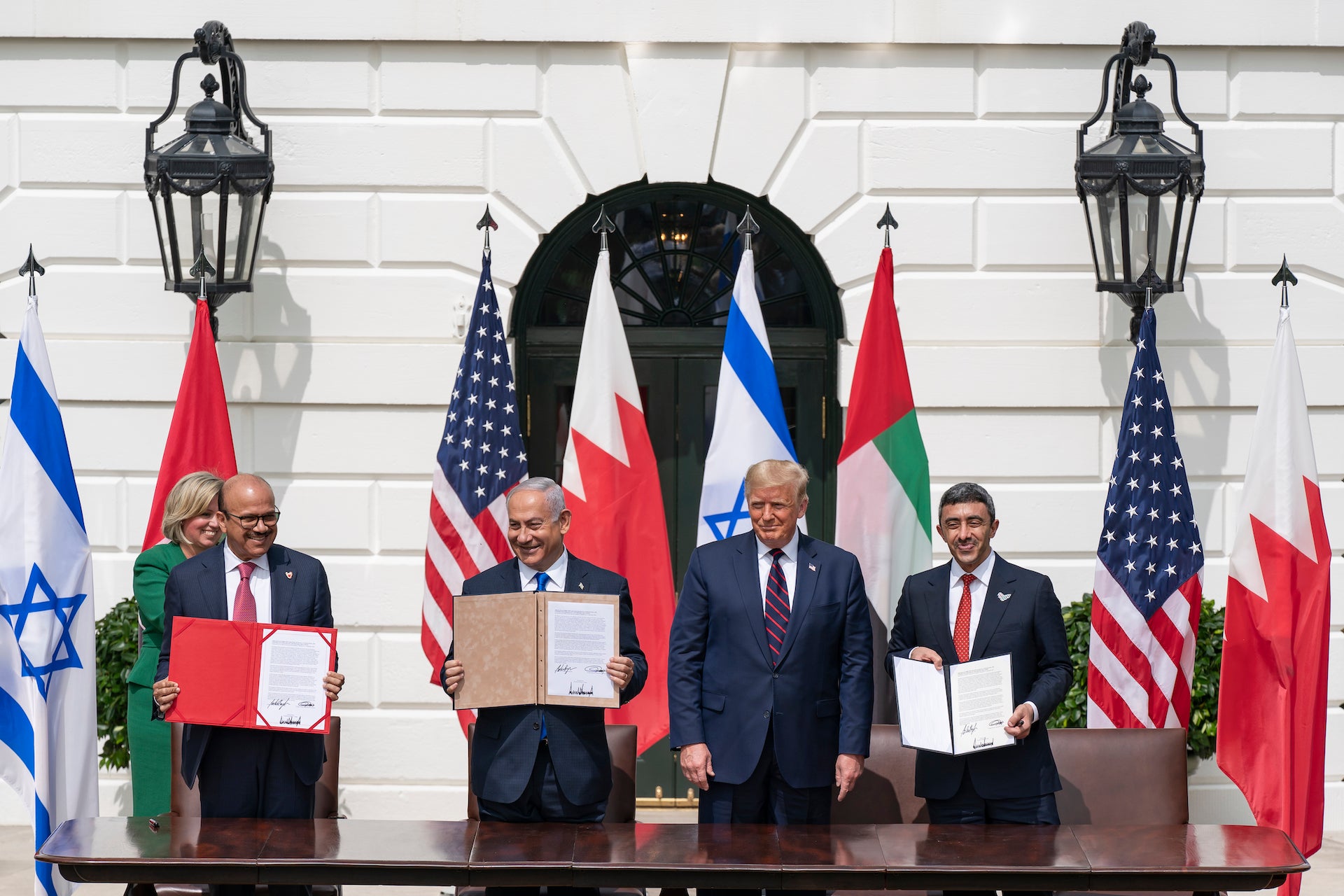
“The Abraham Accords represented a fundamental shift in Middle Eastern diplomacy, moving away from the traditional peace process and toward a pragmatic, economic-based approach to regional stability.”
However, the relationship soured following the 2020 U.S. Presidential election. Trump reportedly felt betrayed when Netanyahu was among the first world leaders to congratulate Joe Biden on his victory. This perceived lack of loyalty is a recurring theme in Trump’s political dealings. Since then, Trump has been more measured in his praise of the Israeli Prime Minister, often pivoting his support toward other figures within the Israeli right wing.
| Period | Relationship Status | Key Milestone/Event |
|---|---|---|
| 2017–2019 | Strong Alliance | U.S. Embassy move to Jerusalem |
| 2020 | Strategic Peak | Signing of the Abraham Accords |
| Late 2020–2021 | Strained/Cool | Netanyahu’s congratulations to Joe Biden |
| 2023–Present | Transactional/Questioning | Trump questions Netanyahu’s candidacy |
How do these comments impact the upcoming Knesset elections?
The mention of “‘Does he want to continue?’ Trump questions Netanyahu’s candidacy in upcoming Knesset elections – The Jerusalem Post” introduces an external variable into an already volatile domestic race. In Israeli politics, the perception of international support—particularly from the United States—carries significant weight.
If the Israeli electorate perceives that a potential future U.S. president has doubts about Netanyahu’s viability, it could embolden the opposition. Leaders within the centrist and left-wing blocs often argue that Netanyahu has become a liability to Israel’s strategic relationship with Washington. Trump’s comments provide a narrative that Netanyahu may be “spent” as a political force, regardless of which party holds the White House.
Impact on the Likud Party
Within the Likud party, Netanyahu’s leadership is generally secure, but there are always internal rivals waiting for a sign of weakness. Public questioning from a figure as influential as Donald Trump can create a psychological opening for challengers within the party to suggest that a fresh face is needed to maintain the U.S.-Israel bond.
Impact on Coalition Partners
Netanyahu’s coalition partners, particularly the religious and nationalist parties, are less concerned with U.S. approval and more focused on domestic policy. However, if Trump’s skepticism translates into a lack of support for the current government’s specific goals—such as settlement expansion or the handling of the Palestinian issue—it could complicate Netanyahu’s ability to deliver on his promises to his base.
For more context on the internal party dynamics, see a related explainer on the Likud party structure.
The domestic pressures facing Benjamin Netanyahu
Trump’s question about whether Netanyahu wants to continue is not happening in a vacuum. The Prime Minister is currently besieged by three primary fronts: the judicial, the social, and the security sectors.
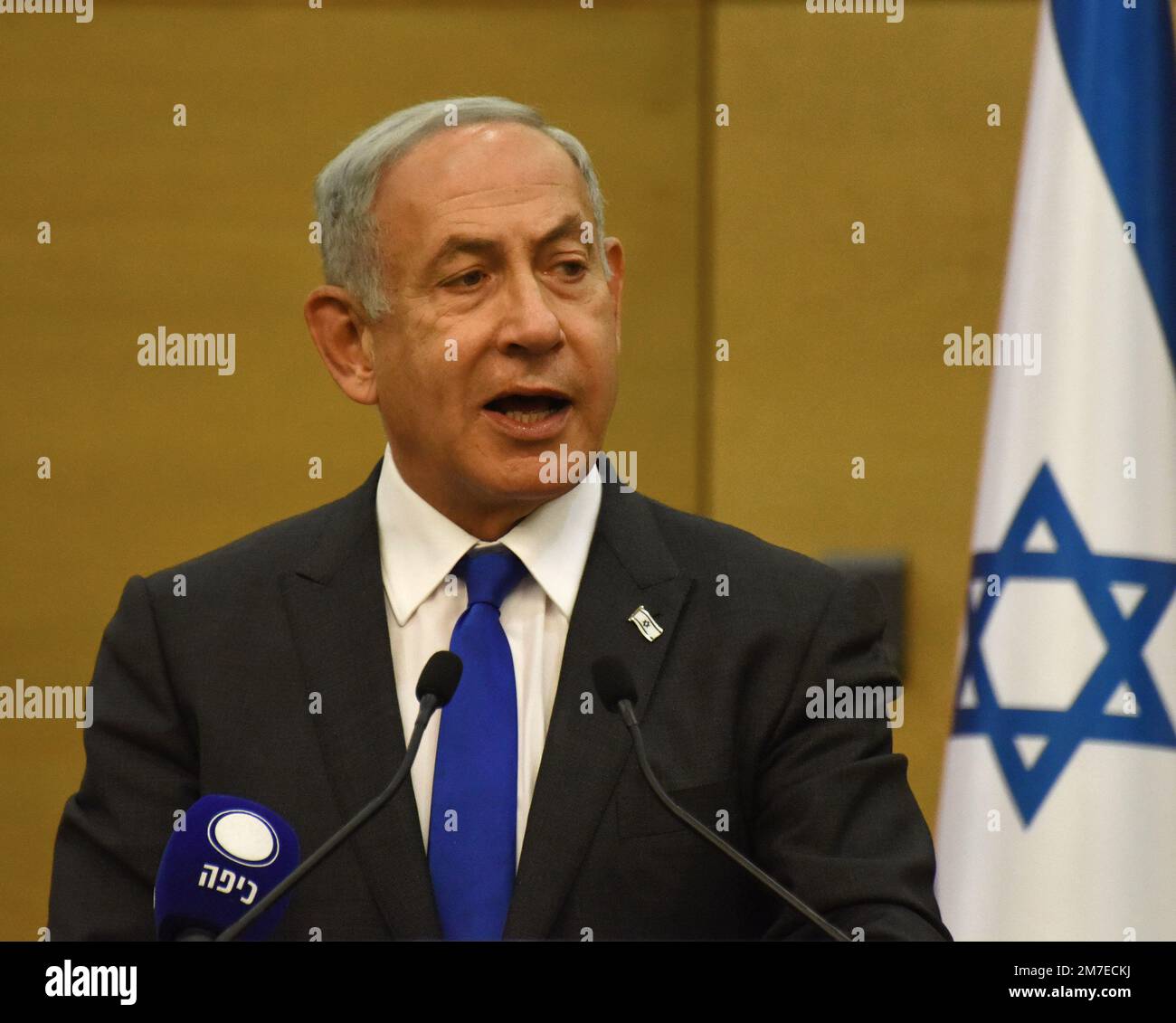
The Judicial Conflict
The push for judicial reform in 2023 sparked some of the largest protests in Israel’s history. Critics argued that the reforms were designed to weaken the Supreme Court and protect Netanyahu from his own legal troubles. While the momentum of the protests has shifted due to the war, the underlying societal rift remains. Many Israelis believe that the Prime Minister’s personal legal interests have superseded the national interest.
The Security Crisis
The events of October 7 and the subsequent war in Gaza have placed an unprecedented burden on Netanyahu’s leadership. While he has maintained a hardline stance on “total victory,” he faces criticism from both sides. The left views the failure to prevent the attacks as an unforgivable intelligence and leadership collapse, while the right argues he has not been aggressive enough in eliminating Hamas or securing the release of hostages.
The Social Divide
Israel is currently experiencing a deep cultural clash between the secular, liberal urban population and the religious, nationalist sectors. Netanyahu has historically positioned himself as the bridge between these worlds, but that bridge has largely collapsed. He is now seen almost exclusively as the champion of the right, leaving a significant portion of the population feeling alienated from the government.
Comparative analysis: Trump’s rhetoric vs. previous U.S. presidents
Donald Trump’s approach to Israeli leadership differs sharply from the traditional diplomatic protocols of previous U.S. administrations. Where presidents like Obama or Bush typically handled disagreements with heads of state through private channels to maintain a facade of unity, Trump often uses public platforms to signal his dissatisfaction.
By asking “‘Does he want to continue?'”, Trump is employing a tactic he has used with other political allies: creating uncertainty to regain leverage. This contrasts with the Biden administration, which has been critical of Netanyahu’s policies in Gaza but has generally avoided questioning his personal right to run for office. The Biden administration’s critiques are policy-based; Trump’s critique appears to be personality- and loyalty-based.
This difference in framing is crucial. A policy disagreement can be resolved through negotiation. A question about a leader’s desire or ability to continue in power is a challenge to their fundamental legitimacy.
Potential scenarios for the next Knesset elections
Given the current climate and the external pressures highlighted by Trump’s comments, several scenarios could play out in the next electoral cycle.
- The Resilience Scenario: Netanyahu successfully navigates the war and the legal trials, framing himself as the only leader capable of ensuring Israel’s survival. In this case, Trump’s comments are dismissed as mere rhetoric or “campaigning” for his own U.S. bid.
- The Transition Scenario: Facing insurmountable pressure from the military, the public, and international allies, Netanyahu decides to step down voluntarily or is pushed out by a Likud party revolt. This would align with the premise of Trump’s question.
- The Deadlock Scenario: Israel enters another cycle of repeated elections, with no single bloc able to form a stable majority. This would lead to prolonged political instability, potentially making Trump’s questions about Netanyahu’s endurance a prophetic observation.
The outcome will likely depend on the resolution of the conflict in Gaza and the timing of the elections. If the war ends with a perceived victory and a successful hostage recovery, Netanyahu’s political capital will replenish. If the war drags on without a clear exit strategy, the call for his resignation will grow louder.
Frequently Asked Questions
What did Donald Trump say about Benjamin Netanyahu?
Donald Trump questioned whether Benjamin Netanyahu wants to continue his political career, specifically asking, “‘Does he want to continue?'” in the context of the upcoming Knesset elections. This suggests skepticism about Netanyahu’s desire or ability to remain as Prime Minister.
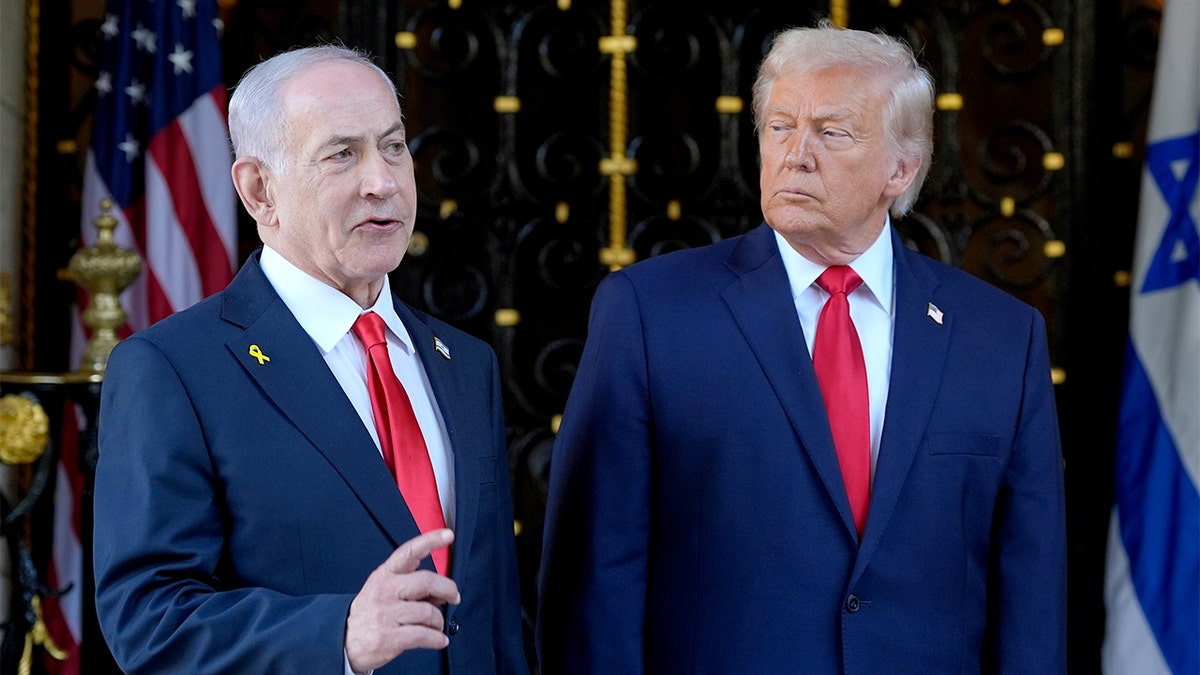
Why is the ‘Does he want to continue?’ comment significant?
It is significant because it comes from a former U.S. President who is a leading candidate for the 2024 U.S. election. Because the U.S.-Israel relationship is vital for Israel’s security and diplomacy, a public sign of doubt from Trump can influence Israeli voter perception and the internal stability of the Likud party.
Are there Knesset elections scheduled right now?
While there is no fixed date for the next election, the Israeli political system is parliamentary, and elections can be triggered by a vote of no confidence or the collapse of a coalition. There has been significant pressure from the Israeli opposition and protesting citizens to hold early elections.
How has the relationship between Trump and Netanyahu changed?
The relationship evolved from a very close partnership (marked by the Abraham Accords and the U.S. embassy move) to a more strained relationship after the 2020 U.S. election, primarily due to Netanyahu’s decision to congratulate Joe Biden.
What are the main challenges Netanyahu faces in the next election?
Netanyahu faces three primary challenges: ongoing corruption trials, a deeply divided Israeli public over judicial reforms, and the security fallout from the war in Gaza and the October 7 attacks.
For further analysis on regional security, you may find a related explainer on the Abraham Accords useful.
The political future of Benjamin Netanyahu remains one of the most consequential questions in global diplomacy. Whether Trump’s remarks are a strategic jab or a genuine observation, they highlight the precarious nature of power in the Middle East, where the intersection of domestic survival and international alliance often determines the fate of a leader.
