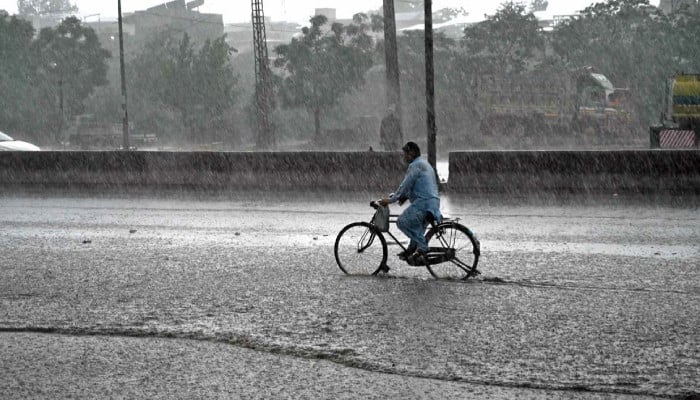
Rain, Thunderstorms Likely in Parts of Country from June 11 to 13: PMD Forecast and NDMA Alerts
The Pakistan Meteorological Department (PMD) forecasts rain and thunderstorms in various parts of the country from June 11 to 13. In response, the National Disaster Management Authority (NDMA) has issued weather advisories for Punjab, Khyber Pakhtunkhwa (KP), Gilgit-Baltistan (GB), and Kashmir, warning of potential flood risks and extreme heat.
The PMD reports that a weather system is expected to bring precipitation and electrical activity across multiple regions starting tomorrow. This forecast coincides with high-level alerts from the National Emergency Operations Center (NEOC) under the NDMA, which has flagged specific vulnerabilities in the northern and central belts of the country. While the rain may provide relief from soaring temperatures, officials warn that the transition could trigger hazardous conditions.
Which regions are affected by the June 11-13 weather system?
According to reports from Radio Pakistan and the PMD, the upcoming spell of rain and thunderstorms will primarily impact the northern and central regions. The NDMA’s NEOC specifically issued advisories for the following areas:
- Punjab: Expected rain and thunderstorms, with a focus on managing urban drainage.
- Khyber Pakhtunkhwa (KP): High alert for stormy weather and potential flash floods.
- Gilgit-Baltistan (GB): Risk of precipitation leading to landslides in mountainous terrain.
- Azad Jammu and Kashmir: Weather warnings for thunderstorms and rain.
The Provincial Disaster Management Authority (PDMA) in Khyber Pakhtunkhwa has taken a more aggressive posture, issuing a province-wide alert. This indicates that the risk in KP is viewed as more acute than in other regions, likely due to the topography and the potential for rapid runoff in hilly areas.
| Region | Alert Level/Agency | Primary Risk |
|---|---|---|
| Khyber Pakhtunkhwa | PDMA (Province-wide Alert) | Storms, Flash Floods |
| Punjab | NDMA/NEOC Advisory | Rain, Thunderstorms |
| Gilgit-Baltistan | NDMA/NEOC Advisory | Rain, Landslides |
| Kashmir | NDMA/NEOC Advisory | Thunderstorms |
What are the specific risks associated with this weather spell?
The warnings issued by the NDMA and The Nation (Pakistan) highlight a complex set of risks. It isn’t just the rain that concerns officials; it is the combination of extreme heat and sudden precipitation.
Flood and Landslide Risks
The NDMA has specifically warned of flood risks. In mountainous regions like GB and Kashmir, heavy rainfall often leads to landslides, which can block critical transport arteries and isolate remote villages. In KP, the PDMA’s province-wide alert suggests a high probability of flash floods, where sudden, intense bursts of rain overwhelm small streams and urban drainage systems.
The Heat-Rain Contrast
The Nation reports that the country is simultaneously grappling with extreme heat. When intense heat is followed by sudden thunderstorms, the atmospheric instability can increase the severity of the storms. This often results in stronger wind gusts and more intense lightning, increasing the risk of structural damage and power outages.

“NDMA warns of extreme heat, rain and flood risks,” according to reporting by The Nation, emphasizing that the weather volatility poses a multi-pronged threat to public safety.
How are disaster management agencies responding?
The response is being coordinated through a tiered system involving national and provincial bodies. The process begins with the PMD providing the atmospheric data, which the NDMA then translates into actionable safety advisories.
The Role of the NEOC
The National Emergency Operations Center (NEOC) serves as the central hub for monitoring. By issuing advisories for Punjab, KP, GB, and Kashmir, the NEOC ensures that local administrations are on standby. Their focus is on early warning systems to minimize casualties during flash floods or storm-related accidents.
PDMA’s Ground-Level Mobilization
While the NDMA handles national coordination, the PDMA in Khyber Pakhtunkhwa is responsible for the actual deployment of resources. A “province-wide alert” means that rescue teams, medical supplies, and machinery for clearing landslides are being positioned in high-risk zones. This localized approach is critical because weather patterns in KP can vary wildly between the plains and the highlands.
For those seeking more information on how these agencies operate, a related explainer on Pakistan’s disaster management framework provides further detail on the chain of command from PMD to PDMA.
Why does this specific window (June 11-13) matter?
The timing of this weather system is significant due to the seasonal transition. June is typically a month of escalating heat before the full arrival of the monsoon season. Pre-monsoon showers, while often welcome for cooling the air, can be violent.

The risk is amplified by the current state of infrastructure. In urban centers across Punjab, sudden heavy rain often leads to “urban flooding,” where poor drainage causes streets to become rivers, paralyzing traffic and damaging property. In the north, the melting of snow combined with sudden rain can increase the volume of river flows, raising the risk of bank erosion and flooding in low-lying riparian areas.
Key Points of Concern for Residents:
- Electrical Hazards: Thunderstorms increase the risk of short circuits and electrocution, especially in areas with exposed wiring.
- Travel Disruptions: Landslides in GB and Kashmir may close main highways.
- Health Risks: The shift from extreme heat to damp conditions can impact public health, particularly for vulnerable populations.
Comparing the alerts: NDMA vs. PDMA
There is a noticeable difference in how the national and provincial bodies are framing the threat. The NDMA’s communication, as reported by Radio Pakistan, is an “advisory”—a general warning to stay vigilant and prepare. In contrast, the KP PDMA has issued an “alert.” In emergency management terminology, an alert is typically more urgent than an advisory, signaling that a threat is imminent and specific actions are required.
This discrepancy suggests that while the entire northern and central belt is at risk, the danger is most concentrated in Khyber Pakhtunkhwa. This could be due to specific cloud formations or local terrain factors that make KP more susceptible to the “stormy spell” mentioned by the Tribal News Network.
Common misconceptions about pre-monsoon rain
Many people assume that any rain in June is a sign that the monsoon has arrived. However, these thunderstorms are often pre-monsoon events. Unlike the steady, prolonged rains of the monsoon, pre-monsoon storms are typically shorter, more intense, and accompanied by higher wind speeds and lightning.
Another misconception is that rain automatically solves the problem of extreme heat. While temperatures drop during the rain, the subsequent evaporation of surface water can actually increase humidity, leading to a “muggy” feeling that can make the heat feel more oppressive (the heat index) once the sun returns.
To understand the broader climate trends affecting the region, readers may find a related report on South Asian weather patterns useful for context.
Safety measures for the upcoming stormy spell
Given the warnings from the PMD and NDMA, residents in the affected areas are encouraged to take specific precautions. The nature of the risks—ranging from flash floods to lightning—requires different strategies.
For those in Urban Areas (Punjab):
- Avoid parking vehicles under old trees or dilapidated billboards during thunderstorms.
- Ensure that roof drains and gutters are clear of debris to prevent water accumulation.
- Limit travel during peak storm hours to avoid trapped traffic in flooded streets.
For those in Mountainous Regions (KP, GB, Kashmir):
- Stay away from riverbanks and nullahs, as flash floods can occur without warning.
- Check road conditions via official PDMA channels before attempting long-distance travel.
- Secure loose outdoor items that could be carried away by high winds.
General Electrical Safety:
- Unplug sensitive electronic equipment during active thunderstorms.
- Avoid using landline phones or touching electrical switches during lightning strikes.
Frequently Asked Questions
Will it rain across all of Pakistan from June 11 to 13?
No. According to the PMD and NDMA, the rain and thunderstorms are likely in “parts of the country,” specifically focusing on Punjab, Khyber Pakhtunkhwa, Gilgit-Baltistan, and Kashmir.

What is the difference between an NDMA advisory and a PDMA alert?
An NDMA advisory is generally a national-level warning to increase vigilance. A PDMA alert, such as the one issued in KP, is a provincial-level directive that often triggers the mobilization of emergency resources and rescue teams for immediate response.
Is there a risk of flooding during this period?
Yes. The NDMA has explicitly warned of flood risks, and the KP PDMA has alerted the province to a stormy spell that could lead to flash floods, particularly in hilly and mountainous areas.
Why is extreme heat mentioned alongside rain warnings?
As reported by The Nation, the country is facing extreme heat. The interaction between high temperatures and incoming moist air can lead to more violent thunderstorms and increased atmospheric instability.
What should I do if I am traveling in Gilgit-Baltistan or Kashmir?
Travelers should monitor official weather updates from the PMD and local authorities. Be aware that rain in these regions often triggers landslides, which can block roads and cause significant delays.
The current weather outlook suggests a volatile few days for the northern and central regions of Pakistan. With the PMD forecasting rain and thunderstorms and the NDMA and PDMA on high alert, the priority for residents and travelers remains vigilance and adherence to official safety guidelines. The coordination between the NEOC and provincial agencies will be critical in managing the risks of flash floods and landslides as the system moves through the region between June 11 and 13.
